
Lieferung heute & morgen

Qualitätsgarantie

Willkommens-Angebote freischalten: KOSTENLOSE Lieferung | Bis zu 80 % RABATT | Kostenlose 30-Tage-JoyPlus-Testphase
App herunterladen
Choosing a new built-in oven can quickly become overwhelming. Manufacturers advertise numerous functions, but not all of them live up to their promises. Especially with modern appliances featuring pyrolytic self-cleaning and an integrated Air Fry function, there are crucial differences that can mean the difference between satisfaction and frustration in the kitchen. Before you make an investment, it's essential to understand the common pitfalls to make an informed decision.
Many buyers focus on the price or on individual, heavily advertised features, overlooking critical technical details. Here are two common problems that can lead to disappointment:
To ensure your new oven meets your expectations, you should carefully examine three core technical parameters. These largely determine the appliance's performance, convenience, and operating costs.
A self-cleaning oven with Pyrolysis is the gold standard for minimal cleaning effort. Check whether the appliance offers different cleaning levels (e.g., for light, medium, or heavy soiling). This helps to optimise energy consumption. Another important feature is the automatic door lock during the high-temperature cycle, which provides necessary safety. Also, verify if accessories like baking trays or wire racks are pyrolysis-proof, which further enhances convenience.
A high-quality multifunction oven should offer more than just top and bottom heat. 3D Hot Air (or comparable technologies) uses a ring heating element and a fan to ensure even heat distribution throughout the entire cavity. This allows for baking on multiple levels simultaneously without flavour transfer. The Air Fry function goes a step further: it uses a higher fan speed and targeted heat to cook chips, vegetables, or chicken wings to a crisp with minimal oil. An indicator of a true Air Fry function is the included, specialised Air Fry tray.
The standard for fitted kitchens in Germany is the 60 cm built-in oven. Measure your niche precisely to avoid fitting issues. Another critical point is the electrical connection. Appliances with a pyrolysis function often have a high power rating (approx. 3,600 watts) and require a dedicated 16-amp circuit. In terms of efficiency, an A+ energy efficiency class oven is a good choice. Although the pyrolysis process is energy-intensive, a high baseline efficiency ensures that electricity consumption remains low during everyday use. Smart features like Home Connect can further contribute to efficiency, for example, by allowing remote preheating.
Based on these criteria, we have identified a few models that are particularly well-suited for different user profiles.
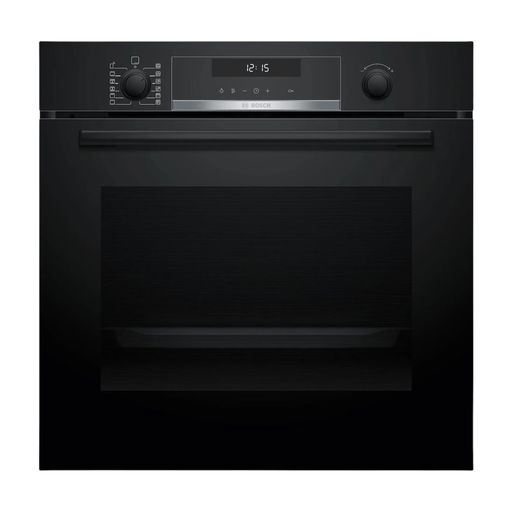
Why This Fits Their Persona: Ideal for users seeking maximum convenience through automation and remote control. The integration of Home Connect allows for preheating and monitoring the oven via an app, while the 30 AutoPilot programs simplify the preparation of many dishes.
This model offers a true Pyrolysis function and a dedicated Air Fry setting with the appropriate accessory. These are not rebranded standard functions, but specifically engineered technologies for cleaning and crispy results.
The combination of powerful pyrolysis, an effective Air Fry function, and the extensive automatic programs (AutoPilot 30) offers a high degree of convenience and versatility.
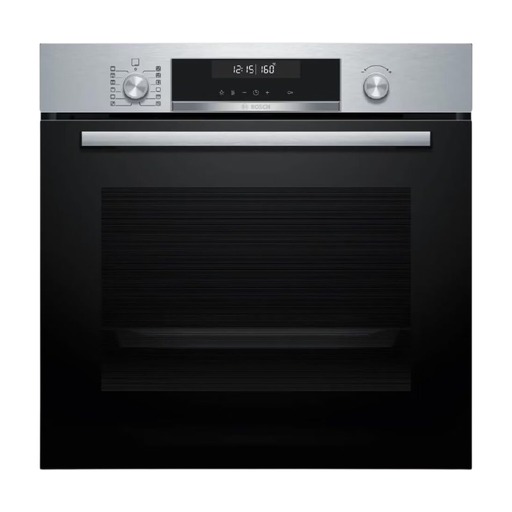
Why This Fits Their Persona: This user values durability, reliable cooking results, and straightforward operation. The stainless steel finish is robust and timeless, while core functions like 3D Hot Air and pyrolysis are designed for high performance.
The appliance focuses on proven, high-performance core technologies. The Air Fry function is designed as a meaningful addition to the 3D Hot Air system and delivers demonstrably crispy results, rather than just being a marketing term.
The combination of an A+ energy efficiency class, reliable pyrolysis, and the proven quality of the Bosch Series 6 oven makes this model a solid long-term investment for any kitchen.
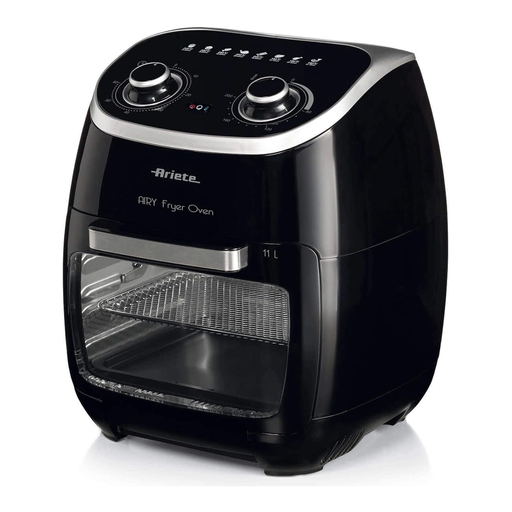
Why This Fits Their Persona: A great option for anyone who wants to try the benefits of air frying without replacing an entire built-in oven. Ideal for smaller households, rental apartments, or as a supplement to an existing oven.
This device is a specialised mini-oven with an Air Fry function. It bypasses the "fake Air Fry" trap because convection technology is its core competency, not just an add-on feature of a larger appliance.
Its compact dimensions, lower purchase price, and focus on the Air Fry function make it a practical and space-saving solution for crispy dishes.
We've compiled a full, up-to-date list of products that fully meet these strict selection criteria and German safety regulations.
The energy consumption of a pyrolysis cycle is higher than that of normal baking. A full cleaning cycle can consume between 3 and 6 kWh, depending on the intensity and the appliance model. With an electricity price of approx. 30 cents/kWh, this corresponds to a cost of about €0.90 to €1.80 per cleaning. However, since pyrolysis is only performed every few months and a clean oven heats more efficiently, the overall costs throughout the year are manageable. An appliance with a good energy efficiency class like A+ helps to keep everyday operating costs low.
For most applications, yes. A built-in oven with a true Air Fry function and the right accessories can achieve results similar to a standalone unit, especially when preparing chips, vegetables, or breaded foods. The main advantage is the significantly larger cooking space. However, a standalone air fryer often heats up faster and may be slightly more energy-efficient for very small portions.
3D Hot Air is designed to distribute heat as evenly as possible throughout the oven cavity to allow for baking and roasting on multiple levels. The airflow is moderate. The Air Fry function, on the other hand, generates a much more intense and rapid stream of hot air directed at the food. This process removes moisture from the surface more quickly, creating the characteristically crispy texture known from frying.