Households with a protein-focused snack plan
You want to keep rice cakes in stock, while distinguishing the protein in the rice cake itself from the contribution of a topping or the rest of the meal.


If you want to stock up on rice cakes for protein-focused snacks, think of them as a crunchy base rather than a protein-rich product in their own right. EDEKA lists 8.7 g of protein per 100 g for its plain organic rice cakes. When choosing, check the nutritional information for the specific variety, consider any topping you plan to add and choose a pack size that suits your household’s consumption.
You want to keep rice cakes in stock, while distinguishing the protein in the rice cake itself from the contribution of a topping or the rest of the meal.
You’re looking for a crunchy base to pair with other foods, and check the ingredients, allergen advice and nutritional information for the snack as a whole.
You want to keep a supply without making rice cakes your only or almost-only snack option. The German Federal Institute for Risk Assessment notes that rice products can contain relatively high levels of inorganic arsenic.
First, consider what role you want the rice cakes to play in your snack. Then you can choose a suitable pack size, ingredients and frequency of consumption.
| Criterion | What to check when buying | Who it matters most to |
|---|---|---|
| Protein content | Compare protein and energy per 100 g with the amount you’ll actually eat, and factor in any planned topping separately. EDEKA lists 8.7 g of protein and 379 kcal per 100 g for its plain organic rice cakes. | If I want my snack to fit a protein-focused diet, I want to know how much protein the rice cake itself provides. Around 42% of consumers would consider protein content a top priority. |
| Pack size | Check the net weight, number of individual packs and storage advice against how much your household usually gets through. | A larger pack is only useful if we’ll use what’s inside and can store it properly once opened. The right pack size would be the main consideration for around 33% of consumers. |
| Ingredients and consumption | Read the ingredients and allergen advice on the pack you buy. If you eat rice cakes frequently, include other grains and snack options in your plans too. The German Federal Institute for Risk Assessment notes that rice products may contain inorganic arsenic. | If rice cakes are part of my regular snack routine, I want to know what’s in them and avoid relying exclusively on rice products. Around 25% of consumers would consider these points first. |
The protein in a rice cake alone doesn’t tell you how much protein the whole snack provides, including any topping. EDEKA lists 8.7 g of protein per 100 g for its plain organic rice cakes.
Check the nutritional information for the variety you choose and consider the rice cake and topping together, rather than assuming the snack’s name tells you how much protein it contains.
According to the German Federal Institute for Risk Assessment, rice and rice products such as rice cakes can contain relatively high levels of inorganic arsenic.
Include other grains and snack options in your regular supplies too.
Allergen advice can still be relevant for a plain variety: EDEKA says its plain organic rice cakes may contain traces of sesame.
Before eating, read the ingredients and allergen information on the pack you’ve actually bought, especially if you switch between varieties in a bulk supply.
EDEKA sells plain organic rice cakes in a 135-g pack, as well as a salted variety.
REWE describes its organic rice cakes in the 100-g pack as gluten-free.
ALDI SÜD sells salted GUT bio organic rice cakes in a 135-g pack.
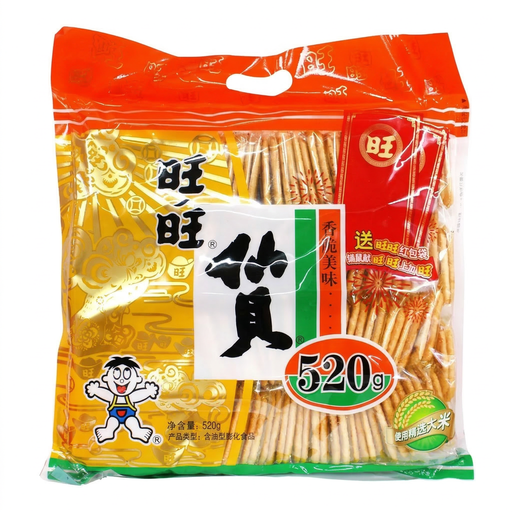
This product is a seasoned senbei rice cracker in a larger pack, not a plain rice cake. It could suit a supply of portioned snacks; if you’re planning a protein-focused snack, check the nutritional information separately.
 No image available
A handy supply of individually portioned, seasoned rice crackers rather than plain rice cakes. For your planned snack combination, check the nutritional information and the ingredients and allergen advice on the pack.
No. The term ‘plain rice cakes’ doesn’t indicate a specific protein content. EDEKA lists 8.7 g of protein per 100 g for its plain organic rice cakes; if you’re adding a topping, consider the nutritional information for the whole combination.
The German Federal Institute for Risk Assessment notes that rice and rice products such as rice cakes can contain relatively high levels of inorganic arsenic. If you eat rice cakes frequently, consider adding other grain-based options to your snack supply.
You can’t assume that every variety is gluten-free. REWE describes its organic rice cakes in the 100-g pack as gluten-free; check the labelling on the specific pack, especially for seasoned or differently made rice snacks.
Follow the storage advice on the pack you’ve bought and seal it well again after opening. For example, EDEKA24 recommends storing its listed Alnatura maize and amaranth cakes with rice and linseed in a dry place and resealing the pack.