
Lieferung heute & morgen

Qualitätsgarantie

Willkommens-Angebote freischalten: KOSTENLOSE Lieferung | Bis zu 80 % RABATT | Kostenlose 30-Tage-JoyPlus-Testphase
App herunterladen
Buying products in bulk online can be an efficient way to stock your household, save time, and stay on budget. Whether for families, shared flats, or small offices, the benefits are clear. Fewer shopping trips mean more free time, and larger quantities often suggest a better price. However, not every deal delivers on its promise. Certain pitfalls can quickly negate the anticipated advantages.
This guide will show you how to avoid common mistakes and what to really look for when selecting bulk packs to make informed purchasing decisions.
Before you fill your digital shopping cart, it's important to be aware of two common fallacies that can lead to overspending or waste.
bulk food pack.To avoid these traps and ensure your bulk purchase is worth the effort, you should check three core parameters. These will help you objectively assess the true value of an offer.
The most important metric for an economical purchase is the unit price. This is usually indicated per 100g, per kilogram, per 100ml, or per litre. Reputable online retailers display this value directly on the product page.
doing your weekly shopping online.Before ordering large quantities, especially of food items, check the information on shelf life.
A bulk household goods pack is only practical if it can be easily integrated into daily life.
Here are some product recommendations tailored to different requirements and household types, which take the above criteria into account.
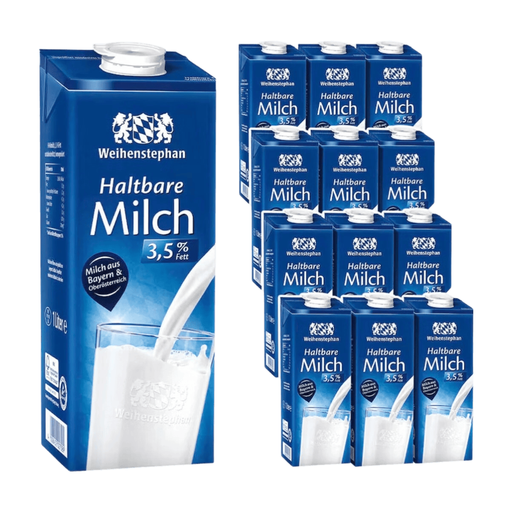
Why This Fits Their Persona: A staple food for families. UHT milk is an essential part of breakfast, for cereal, or for cooking. A 12-pack covers the need for a longer period and reduces the frequency of shopping trips.
The ultra-pasteurised milk has a long shelf life unopened and does not need to be refrigerated. This bypasses the storage trap and prevents waste. The price per litre in a 12-pack is usually advantageous.
Long shelf life without refrigeration (before opening). Practical 1-litre cartons that fit in the fridge after opening.
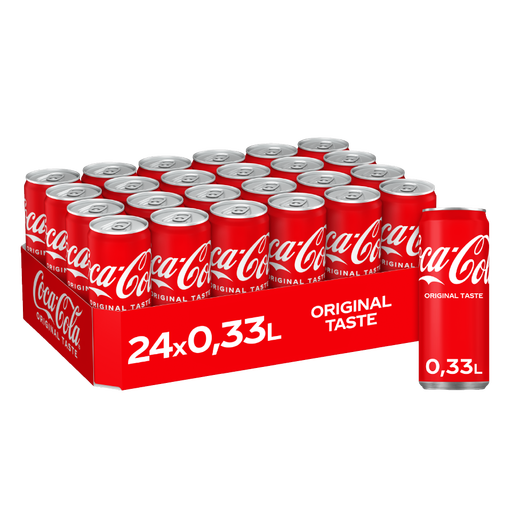
Why This Fits Their Persona: In a shared flat, drinks are a communal item. A 24-pack of cans is ideal for social evenings or parties. The individual cans are easy to divide in the fridge, and everyone can grab one without having to open a large bottle.
The single-serving cans prevent large, opened bottles from going flat – a typical problem in a shared flat. `Ordering drinks online` in this format ensures a good price per can and minimises waste.
Long shelf life and simple, space-saving storage. The 0.33L cans are practical single servings for immediate consumption.
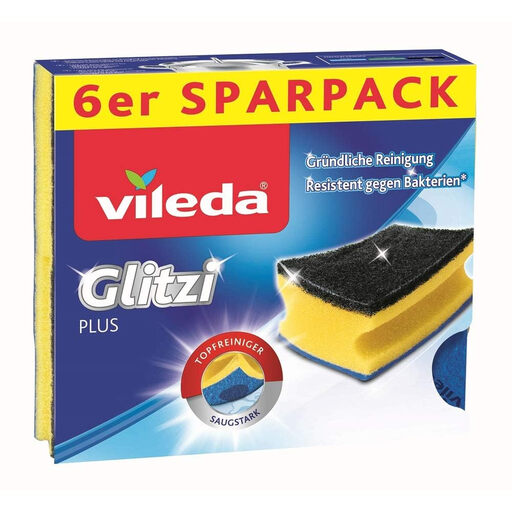
Why This Fits Their Persona: Anyone who keeps their household well-organised knows that consumables like cleaning sponges need to be replaced regularly. A 6-pack ensures a fresh sponge is always on hand and saves a trip to the store for a single item.
Household goods are non-perishable, which completely eliminates the storage trap. Buying a bulk pack here is purely a matter of convenience and price per item, which is usually lower in a multipack.
Two cleaning sides for different surfaces. According to the manufacturer, bacterial growth on the scouring surface is prevented by 99.9%.
Whether you want to `buy sweets online` or stock up on household supplies, we have compiled a comprehensive, up-to-date list of products that meet these strict selection criteria.
Not necessarily. A financial advantage only arises if the price per unit is lower than that of smaller packs and if you consume the product completely before its BBD. The biggest benefit often lies in the time saved and the convenience of shopping less frequently.
Divide the total price of the pack by the total quantity. For a 12-pack of 1-litre milk cartons for €15, the unit price would be €1.25 per litre (€15 / 12 L). For items sold by weight, divide the price by the total number of grams and multiply the result by 100 to get the price per 100g.
The BBD is a quality guarantee from the manufacturer. It indicates the date until which a food product retains its specific properties (like taste, smell, and colour) when stored correctly. Many products, especially dry goods like pasta or rice, are often still edible after the BBD has passed. It is not an expiration date, unlike the "use-by date," which is found on highly perishable goods like minced meat and must be strictly followed.