
Lieferung heute & morgen

Qualitätsgarantie

Willkommens-Angebote freischalten: KOSTENLOSE Lieferung | Bis zu 80 % RABATT | Kostenlose 30-Tage-JoyPlus-Testphase
App herunterladen
A bulk box of cereal bars is a practical choice when several people need a regular snack. Families, offices, schools and sports groups save on packaging and don’t have to restock as often. However, a large quantity isn’t automatically good value. What really matters are portion size, ingredients, allergens, shelf life and how you actually plan to use them.
A box of 24 bars might seem more generous than a multipack of 12, but the individual portion could be much smaller. That’s why you should always compare total weight and individual weight. For example, a box of 24 bars at 40 g each contains 960 g, whereas 12 bars at 50 g each comes to 600 g.
For price comparison, the unit price per 100 g or per kilogram is more meaningful than the pack price. How you’ll distribute them at home or in the office also matters: smaller bars are ideal for quick breaks, while larger portions can be more practical for long trips.
An oat bar may contain a high proportion of oats, but it can also include syrup, sugar or chocolate. Likewise, a cereal bar with wholegrain flakes isn’t automatically low in sugar. The ingredients list is given in descending order by weight. Comparing the oat content, chocolate content and added sweeteners gives you far more information than the front of the packet.
With vegan cereal bars, you should also check the full ingredients list and any “may contain” statements. “Vegan” means no animal-derived ingredients, but it doesn’t automatically tell you anything about energy, sugar or fat content.
For families, schools and offices, allergen labelling is especially important. Cereal bars often contain peanuts, nuts, milk, soya or gluten-containing cereals. If you have coeliac disease or a diagnosed allergy, reading just the product name isn’t enough.
In the European Union, the term “gluten-free” is linked to a limit of no more than 20 mg of gluten per kilogram. Even so, you should always check the labelling on the specific pack, because recipes and supplier information can change. Warnings like “may contain traces of…” are relevant for anyone with sensitivities.
For cereal bars on the go, individually wrapped portions are hygienic and easy to hand out. In a rucksack, desk drawer or school bag, they also protect the bar from being squashed. For regular use in the office, a display box can be handy because you can quickly grab individual portions.
Look out for:
Always compare the nutrition table per 100 g. This lets you assess snack bars, cereal bars and protein bars regardless of portion size. The relevant values are energy, sugar, fat, saturated fat, protein and salt.
A product labelled as a protein bar isn’t automatically suitable for every diet. The Eat Natural Protein Bar, for example, provides 21.6 g of protein per 100 g. At the same time, it contains peanuts, almonds, soya and milk. For anyone with allergies, that information is more important than the protein claims.
With vegan cereal bars or gluten-free bars, you should check three things:
A product can be vegan and gluten-free but still contain peanuts or tree nuts. Conversely, oat products aren’t automatically gluten-free, because oats in the ingredients list may be combined with wheat or barley.
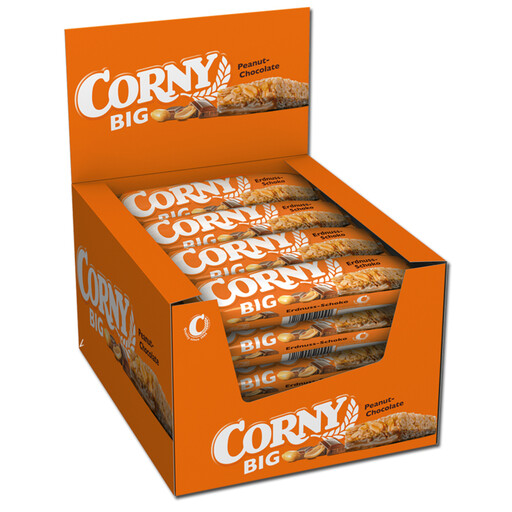
Why this product fits the profile: The pack contains 24 individually wrapped bars and is suitable for families, offices or shared stockpiling. The product details mention roasted peanuts, milk chocolate and wholegrain cereal flakes.
The portion size and total weight are clearly stated. Before buying, you should consider peanuts, milk and gluten-containing cereals as allergens.
24 bars per pack; according to the product details, 24% roasted peanuts and 20% milk chocolate.
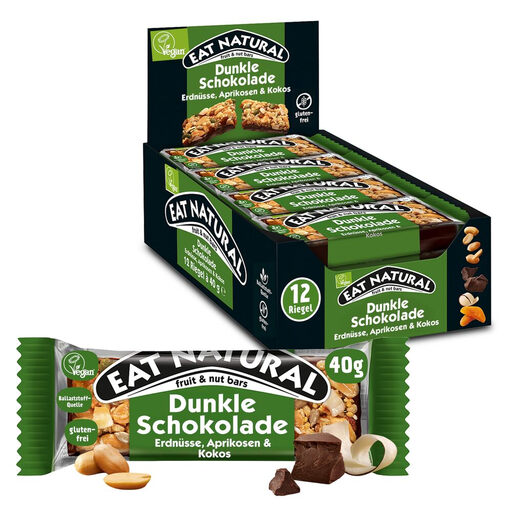
Why this product fits the profile: The bar is described as vegan, gluten-free and lactose-free. It combines peanuts, coconut, dried apricots and dark chocolate.
The special features are clearly stated. Despite the gluten-free and vegan labelling, you should check for peanuts and possible traces of milk, soya and other nuts.
12 individually wrapped bars; according to the product details, 20% dark chocolate and 18% peanuts.
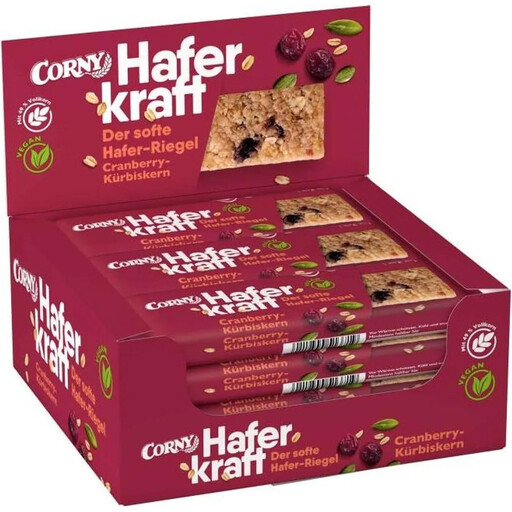
Why this product fits the profile: The 50 g bars without a chocolate coating are ideal for hikes, bike rides or warm outdoor temperatures. The product is described as vegan.
The lack of a chocolate coating can be practical in warm weather. However, oats are listed as a gluten-containing cereal; possible traces of other allergens still need to be considered.
12 bars at 50 g each; according to the product details, 48% wholegrain oat flakes and 3% dried cranberries.
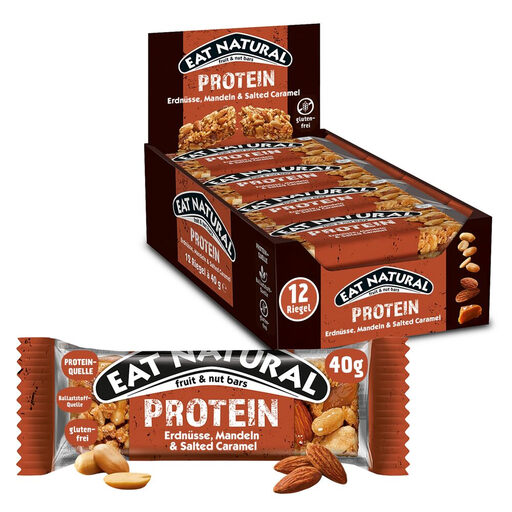
Why this product fits the profile: This gluten-free bar contains peanuts, almonds, rice crisps and salted caramel. The 40 g portion is easy to plan for training days or travel.
The protein content is clearly stated and doesn’t replace a general statement about suitability. If you have allergies, you need to consider peanuts, almonds, soya and milk.
12 bars at 40 g each; according to the product details, 21.6 g of protein per 100 g and 499 kcal per 100 g.
We’ve put together a full, regularly updated list of products that fully meet these strict selection criteria and the safety regulations in force in the EU.
You’ll find the best-before date on the individual pack. Store cereal bars according to the manufacturer’s instructions – cool, dry and away from heat. Chocolate and fat components can change consistency at high temperatures. Once you’ve opened the outer packaging, the individual bars should remain unopened.
For offices, individually wrapped bars in a quantity that’s easy to share are practical. A pack of 20 or 24 portions can work well for several people. Before ordering, check whether peanuts, nuts, milk or gluten are present, because shared spaces need to account for different allergies.
No. A protein bar may have a higher protein content, but it’s still a processed snack with its own energy, fat and sugar profile. Compare the values per 100 g and consider your personal diet plan. For short trips or as a snack between meals, classic oat bars or vegan cereal bars can also be a good fit.