Households that regularly stock up for breakfast
If you often add dried fruit to muesli, porridge or yoghurt, you can compare pack sizes and unit prices for the same type of fruit. It’s also important to consider whether you’ll use the whole pack.


For a quick breakfast with bulk dried fruit, start by choosing a type of fruit you use regularly, then compare the unit price of similar products. Next, check the ingredients, nutritional information and any mentions of sulphur dioxide or sulphites. A larger pack makes sense if you’ll use it up and can store it properly once opened.
If you often add dried fruit to muesli, porridge or yoghurt, you can compare pack sizes and unit prices for the same type of fruit. It’s also important to consider whether you’ll use the whole pack.
If you want something easy to grab in the morning, it’s worth checking the ingredients list, nutritional information and allergen advice in advance – especially if you want to avoid added sugar or certain additives.
Different types of fruit or a mixed pack can add variety to your breakfast options. If you buy a larger pack, check how you can reseal and store it once opened.
First, decide which fruit you’ll actually use. Then compare pack sizes and unit prices. Ingredients, nutritional values and storage advice may affect whether a larger pack is the right choice.
| What to consider | What to check when buying | Who it matters to |
|---|---|---|
| Unit price and stock-up size | Compare the price per kilogram for the same type of fruit, and consider the pack size alongside how much you use. | If you regularly eat dried fruit for breakfast, you’ll want to use a larger pack rather than leave leftovers sitting around. For around 42% of consumers, stocking up is the top priority. |
| Ingredients, sugar and sulphites | Read the ingredients list, the sugar content per 100 g and any allergen advice about sulphur dioxide or sulphites. | If you pay particular attention to additives or ingredients, you’ll need reliable information about the specific product. Around 33% of consumers put this first. |
| Breakfast use and storage | Check whether the fruit is pitted, how the pack can be resealed and what storage advice applies. | When you’re short on time in the morning, you want fruit that needs little preparation and can be put away easily after use. For around 25% of consumers, this is the most important consideration. |
A 500-g pack isn’t automatically the best fit for your household. The unit price helps you compare the same type of fruit, but a large pack you rarely use will stay open for longer.
Compare products containing the same type of fruit and think about how often you’ll actually eat it for breakfast.
Dried fruit contains naturally occurring fruit sugars, even when no sugar has been added. So the claim only tells you that no extra sugar has been added – it doesn’t tell you how much sugar the fruit contains.
Read the ingredients list and the sugar content per 100 g in the product’s nutritional information.
A fruit mix may contain additives. EDEKA’s Herzstücke mixed fruit, for example, lists potassium sorbate and sulphur dioxide. The Bavarian State Office for Health and Food Safety notes that foods containing sulphites can cause intolerance reactions in some people.
If you need to avoid sulphites, check the ingredients list and allergen advice on the specific pack rather than judging by the colour or product image.
ALDI SÜD notes that its products may come from different suppliers. EDEKA also points out that in-store information may differ from what’s shown online.
Use the information on the pack you’re buying to make your choice – especially the ingredients, allergens, nutritional values and storage advice.
Seeberger offers a range of dried fruit, with 500-g packs listed for some varieties.
ALDI SÜD’s own-label range includes sultanas and prunes in 500-g packs.
The mixed fruit described combines five types of fruit in a resealable 250-g pouch.
Alongside nuts and snacks, Lidl’s Alesto range also includes dried fruit.
This selection includes 500-g packs of dates, jujubes or sultanas for breakfasts you make regularly. Preparation varies by product, so if you’re stocking up, also compare the unit price of similar products.
 No image available
For muesli or yoghurt when you want to use pitted dates with no preparation.
Pack size: 500 g. When choosing, compare the ingredients and sugar content per 100 g.
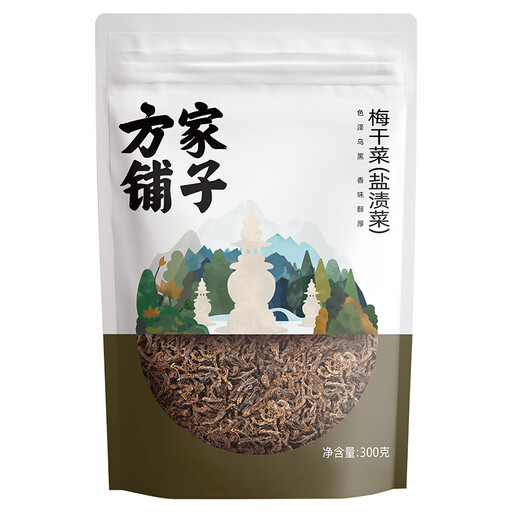 No image available
For porridge if you’d like to use jujubes and can rinse them before eating.
Pack size: 500 g; pitted. The product information recommends rinsing the fruit before use.
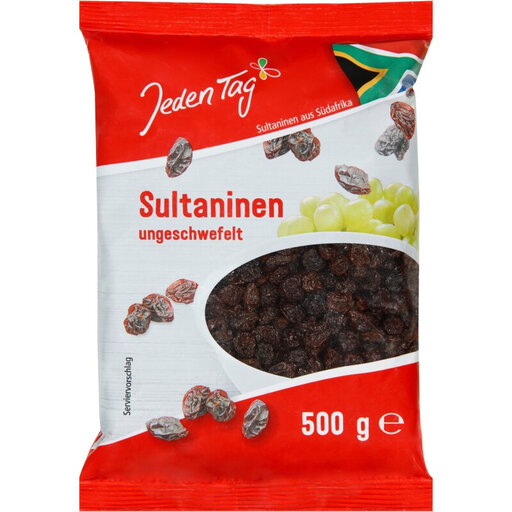 No image available
For muesli, yoghurt or porridge with sultanas, made regularly.
Pack size: 500 g. If these details matter to you, check the ingredients and sugar content per 100 g.
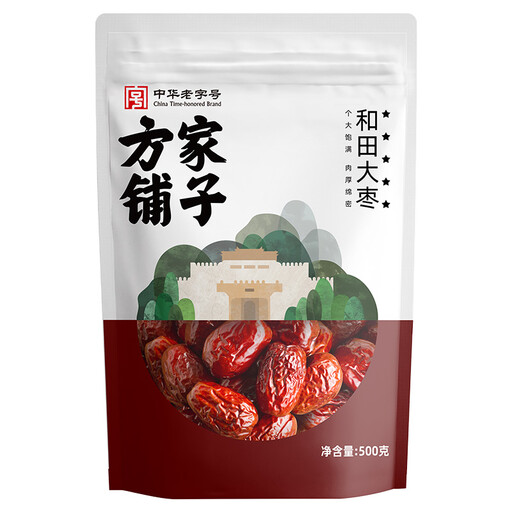 No image available
For porridge with jujubes, if rinsing them before eating fits into your breakfast routine.
Pack size: 500 g. The product information recommends rinsing; also check the pack to see whether the fruit is pitted.
 No image available
For breakfast cereal with jujubes, if you want to check the instructions for use before eating.
Pack size: 500 g. ‘No-Wash’ is part of the product name; follow the preparation and storage advice on the pack.
No. The right size depends on how often you use that type of fruit and how you store it. Compare the unit price for the same type of fruit and follow the storage advice for once the pack has been opened.
Check the ingredients list and allergen advice on the specific pack. The Bavarian State Office for Health and Food Safety notes that foods containing sulphites can cause intolerance reactions in some people; the colour of the fruit alone isn’t a reliable way to choose.
No. Dried fruit still contains naturally occurring fruit sugars, even when no sugar has been added. To compare varieties, check the sugar content per 100 g in the nutritional information as well as the ingredients list.
Follow the storage advice for the product and reseal the pack after use. EDEKA recommends keeping dried pineapple in a cool, dry place in a resealable, light-proof container. Advice for other types of fruit may differ.