What should you look for when choosing?
First, decide whether you mainly want the pack as a store-cupboard ingredient or for snacking. Then compare the pack size, ingredients and nutritional values of the products you’re considering.
| What matters | What to check | Who it matters to |
|---|
| Getting the right amount to keep in stock |
Match the pack size to how much you plan to use; don’t assume promotional packs will always be available. |
If I regularly need dried fruit for baking or breakfast, I want to choose a pack I’ll actually use up. For around 33% of consumers, getting the right amount to keep in stock is likely to be the main concern. |
| Portion control |
Check the energy and sugar per 100 g, and measure out the amount you want before eating. |
When I’m snacking, I don’t want to keep reaching into a large bag without thinking. That’s why portion control is likely to be the top priority for around 33% of consumers. |
| Ingredients and sugar |
Check the ingredients list and sugar per 100 g together; don’t assume that ‘no added sugar’ means low in sugar. |
If I’m looking for a particular recipe, a claim on the front of the pack isn’t enough: I want to know what’s in it. For around 20% of consumers, this clarity is likely to be the most important factor when choosing. |
| Type of fruit and how you’ll use it |
Think about the dishes you’ll actually use the fruit in, then compare the nutritional values of the products you’re considering. |
I only want to buy a larger pack if I’ll use the fruit in several planned dishes. Around 14% of consumers are likely to prioritise this versatility. |
Dried fruit at Joybuy
This selection includes red dates (jujubes), prunes and sultanas in packs ranging from 500 g to 1 kg. When choosing, consider whether you want to measure out individual ingredient portions, prefer pre-portioned bags or plan to eat the fruit as it is.
 No image available
Haoxiangni ready-to-eat red dates, 900 g (30 × 30 g)
The 30 g bags are handy if you want to decide how much to have before snacking or using the fruit as an ingredient.
The pack contains 30 bags, with a total weight of 900 g. Take care of any stones when eating the dates, and check the pack for nutritional information when comparing products.
View at Joybuy
 No image available
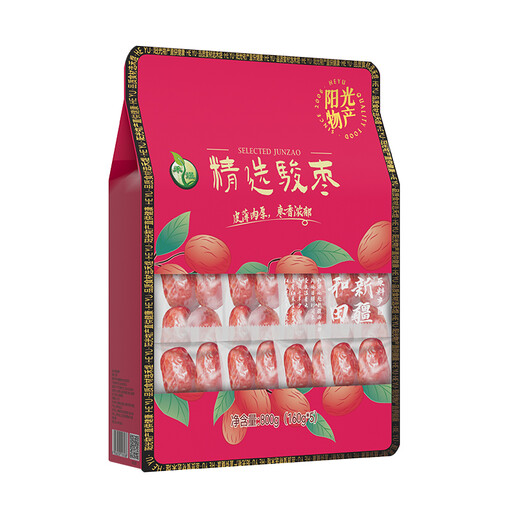
HEYU jujubes, 800 g (5 × 160 g)
The five-bag format suits planned use as an ingredient in cooked dishes; one bag is not specified as a snack portion.
Wash thoroughly and cook fully before eating. Do not eat raw.
View at Joybuy
 No image available
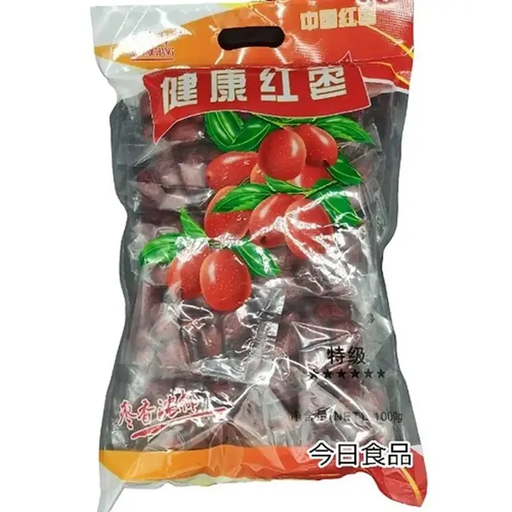
Red dates, Medium Grain, 1 kg
The 1 kg pack could suit you if you regularly use red dates as an ingredient and measure out the amount you need each time.
When choosing, compare the nutrition information per 100 g on the specific pack.
View at Joybuy
 No image available
Seeberger soft pitted prunes, 500 g
The 500 g pack is an option if you’re looking for prunes to use as an ingredient in planned meals.
Even pitted fruit may contain fragments of stones. Check the ingredients list and nutrition information on the specific pack.
View at Joybuy
 No image available
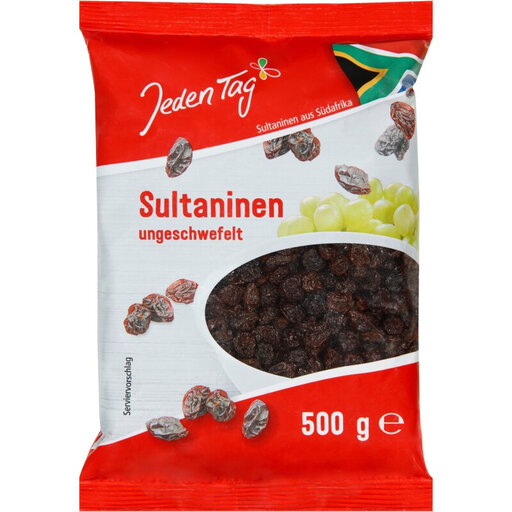
Jeden Tag sultanas, 500 g
This pack size works for a planned supply of sultanas if you use them as an ingredient in portions.
To compare them with other sultanas, check the ingredients list and nutrition information on the specific pack.
View at Joybuy
Frequently asked questions
Can I eat dried fruit if I’m keeping an eye on my portion sizes?
Yes, as long as you choose your portion mindfully. The German Nutrition Society explains that dried fruit can count as a portion of fruit, but it should be a smaller portion than fresh fruit because it contains more sugar and calories.
Does ‘no added sugar’ mean dried fruit is low in sugar?
No, the claim doesn’t tell you the total sugar content. For example, REWE lists 69 g of sugar per 100 g for its Seeberger sultanas, so check the nutrition information as well.
Is the ‘unsweetened’ claim enough to help me choose?
No, check the ingredients list and nutrition information too. This will help you see what’s in the specific product and how much sugar it contains per 100 g.
How should I store an opened bulk pack?
Follow the storage instructions on the specific packaging. The Seeberger sultanas listed by REWE should be stored away from heat and moisture.
Should I check the information on every pack again?
Yes, especially if particular ingredients or nutritional values are important to your choice. ALDI SÜD notes that information for its dried fruit may vary when suppliers change; always go by the details on the pack you buy.


