Households that use dried fruit regularly
If you often use dried fruit for breakfast, baking or snacks, you’re more likely to get through a larger pack. The key is choosing a fruit that genuinely features in your usual meals.


For a household that regularly uses dried fruit for breakfast, baking or snacks, a 500 g pack can be a suitable size to keep in the cupboard. If you use it less often, a smaller pack is easier to finish; for crunchy toppings, freeze-dried fruit may be a better option. Whatever the pack size, check the ingredients, nutritional information and storage instructions on the individual pack.
If you often use dried fruit for breakfast, baking or snacks, you’re more likely to get through a larger pack. The key is choosing a fruit that genuinely features in your usual meals.
If you need to avoid sulphur dioxide or sulphites, or keep an eye on other ingredients and allergen information, check the label on each individual pack. A fruit mix may contain different ingredients from a pack of a single fruit.
Freeze-dried fruit can be an interesting option for yoghurt or muesli, thanks to its different texture. The freeze-dried fruit mix example sold by REWE contains 25 g, so it serves a different purpose from a classic 500 g bag of dried fruit.
First, work out which fruit you use regularly and how quickly you’ll get through an opened pack. Then you can check the ingredients, processing and pack size to make sure they suit how you plan to use it.
| Factor | What to check | Who it matters most to |
|---|---|---|
| Type of fruit and pack size | Compare the pack weight and type of fruit; only choose a larger pack for fruit you use regularly. | If dates or prunes often go into your muesli or baking, you don’t want them sitting unused in the cupboard. Around 36% of consumers prioritise this. |
| Ingredients and nutritional information | Check the ingredients list for sulphur dioxide or sulphites and read the sugar content per 100 g; check allergen information too, if needed. | If I’m buying a mix, I want to know what it contains and whether the labelling meets my requirements. This is the main concern for around 21% of consumers. |
| Pack size and storage | Consider how quickly you’ll use it, the storage instructions and whether the pack can be resealed after opening. | If dried fruit only makes it onto the table occasionally, I don’t want to keep an opened bag for a long time. Around 29% of consumers prioritise finding a pack that suits their needs. |
| Texture and how you’ll use it | Know the difference between soft, traditionally dried fruit and crunchy freeze-dried products. | If I’m looking for a crunchy topping, I need a different texture from a soft ingredient for baking. This is the main consideration for around 14% of consumers. |
These products differ in texture and pack size: REWE’s freeze-dried fruit mix contains 25 g, while classic dried fruit is also available in 500 g packs.
First decide whether you need crunchy pieces for a topping or soft fruit for regular use in the kitchen.
Sulphur dioxide isn’t necessarily listed on the front of the pack. REWE Beste Wahl mixed fruit lists it as an antioxidant in the ingredients; Lebensmittelklarheit notes that the ingredients list can be key to the labelling.
If you have specific requirements, read the ingredients list and allergen information before choosing a mix.
A 500 g pack may not be the best choice if your household only uses that fruit occasionally. Storage instructions also depend on the specific product.
Choose a size that matches how much you usually use, and follow the storage instructions on the pack after opening.
Seeberger offers classic dried fruit in a range of pack sizes, including 500 g packs of pitted dates. Its range may appeal to households that regularly use a particular fruit.
REWE Beste Wahl offers classic mixed fruit in 250 g packs and a 25 g freeze-dried fruit mix. The two products are suited to different uses.
ALDI SÜD sells FARMER NATURALS dried prunes in a 500 g pack. This size may suit households that use dried prunes regularly.
This selection features classic dried fruit in 500 g packs. Choose according to the type of fruit and how you plan to use it; always check the information for each product for details about ingredients and storage.
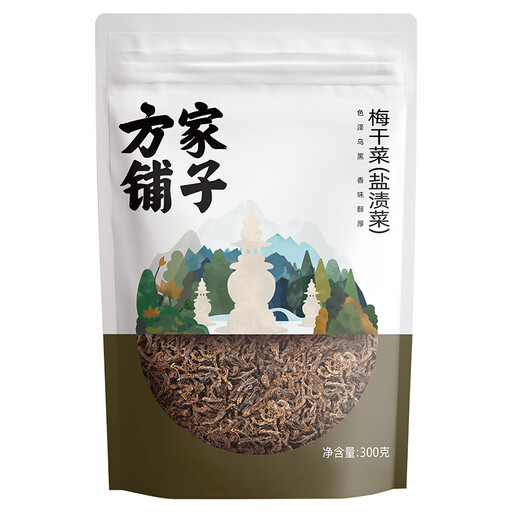 Image unavailable
For households that want to use jujubes regularly. The product name states that the fruit is pitted.
 Image unavailable
For households that regularly use Deglet Nour dates for breakfast or baking. The product name states that the dates are pitted.
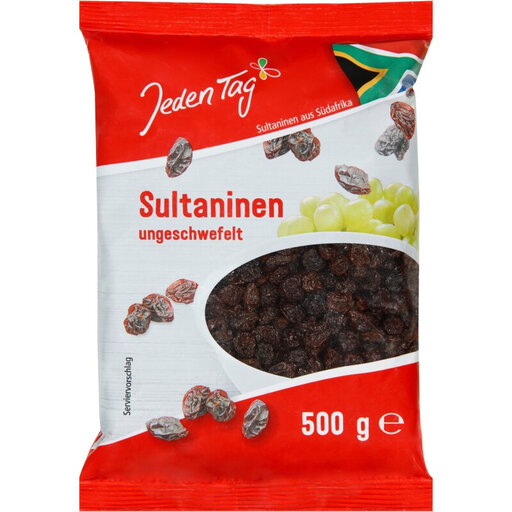 Image unavailable
For households that regularly use sultanas in muesli or baking. Before buying in bulk, check the ingredients and storage instructions on the pack.
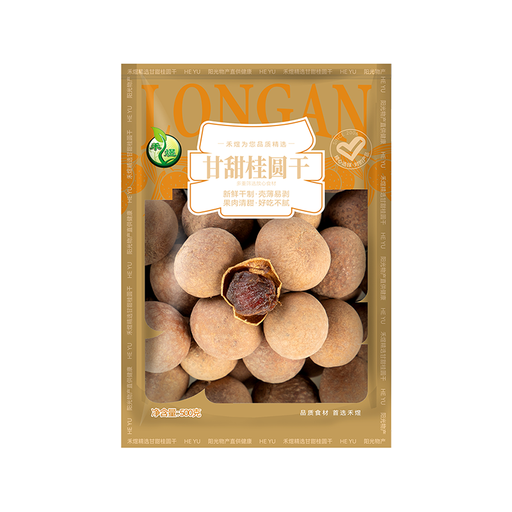 Image unavailable
For households that want to keep dried longan in the cupboard as a cooking ingredient. Check the preparation instructions on the pack before use.
 Image unavailable
For households that regularly use prunes as a snack or baking ingredient. According to the product description, despite being labelled as pitted, the pack may contain stones or pieces of stone.
A 500 g pack is a good fit if you use that particular fruit regularly and can store the opened pack according to the instructions. If you only use it occasionally, a smaller pack may suit your household better.
It can work for crunchy toppings, but not necessarily for recipes that call for soft dried fruit. REWE’s freeze-dried fruit mix contains 25 g, so choose according to the texture, recipe and quantity you need.
For packaged dried fruit, check the ingredients list and allergen information rather than just the front of the pack. Lebensmittelklarheit explains the labelling of sulphur-treated fruit; REWE lists sulphur dioxide as an antioxidant in its Beste Wahl mixed fruit.
Follow the instructions on the individual pack. For REWE Beste Wahl mixed fruit, REWE recommends storing it in a dry place and protecting it from heat. If you plan to use the pack over a longer period, make sure you seal it securely after each use.
The nutritional information shows the sugar content per 100 g of that particular product; if serving information is provided, you can use that too. A short ingredients list alone is no substitute for checking the nutritional information.