If you want to eat breakfast on the go or at your desk without milk, check whether the manufacturer says the crunchy muesli can be eaten on its own. Traditional flake mixes are also an option with milk, yoghurt or a plant-based drink. When buying in bulk, the amount in the pack is only one consideration: think about the recipe, allergen information and whether you can store and use up the contents easily once opened.
Who is a bulk pack suitable for?
Households with a regular breakfast routine
If muesli is often served with milk, yoghurt or a plant-based drink, a larger pack could suit your usual routine. The key is choosing a mix that everyone in the household enjoys and can eat, and that’s easy to store once opened.
People who have breakfast on the go or at their desk
If you sometimes need to manage without a bowl or dairy product, look for a crunchy muesli that the manufacturer says can be eaten on its own. This doesn’t tell you anything about its nutritional values, though, so check the ingredients and sugar content to make sure they suit you.
Households with specific ingredient requirements
If you need to avoid nuts, gluten-containing cereals, soya, milk or sesame, always check the information on the specific pack. Ingredients and precautionary allergen statements can vary even within the same brand.
What should you look for when choosing?
First decide whether you want to eat your muesli on its own or serve it with milk, yoghurt or a plant-based drink. Then check the recipe and make sure the pack size suits how much you usually eat.
| Criteria |
What to check before buying |
Who it matters to |
| Pack size and how quickly you’ll use it |
Compare the pack size and best-before date with how much your household usually gets through. |
If we’re going to get several breakfasts from the same bag, I want to choose an amount we’ll actually use up. For around 31% of consumers, stocking up is the main priority. |
| No-prep eating |
Look for an explicit statement that it can be eaten on its own, and read the ingredients in the crunchy muesli. |
At my desk or on the go, I need a breakfast I can eat without a bowl. Being able to eat it straight away is the main concern for around 31% of consumers. |
| Ingredients and allergens |
Check the sugar content per 100 g, the ingredients list, and the allergen and precautionary allergen statements for the specific variety. |
If several people share the same supply, the recipe needs to suit their requirements. Around 23% of consumers put this first when choosing. |
| Storage |
Check the storage instructions and bag closure, and make sure you have a suitable place for the opened pack. |
In a small household, I want to avoid leaving a slowly used bag open. For around 15% of consumers, keeping it stored properly until the last breakfast is the priority. |
Which buying mistakes can you avoid?
-
Choosing based only on the size of the bag
A larger pack won’t be much help if the taste or ingredients don’t suit your household, or if you use the contents too slowly.
Before buying, compare the pack size and recipe with how much you use and your breakfast habits. Also check how the product should be stored once opened.
-
Assuming fruit sweetness means low sugar
The German consumer advice centre points out that claims such as ‘sweetened only with fruit’ don’t tell you the actual sugar content. ‘No added sugar’ doesn’t automatically mean ‘low in sugar’ either.
Check the sugar content per 100 g and read the ingredients list. Where possible, compare like with like, such as one fruit muesli with another.
-
Assuming you know the allergens because of the brand
Muesli mixes from the same brand can contain different ingredients and have different precautionary allergen statements. The product ranges covered here include gluten-containing cereals, nuts, peanuts, soya, milk and sesame.
For every variety, read the ingredients list and check the highlighted allergens and precautionary allergen statements on the specific pack.
-
Assuming a bowl of muesli will work as a snack
If you want a no-prep breakfast, consider whether you’d enjoy eating the mix on its own. Kölln specifically says that Knusper Klassik can also be eaten as a snack; this doesn’t apply to every muesli.
Before buying a large pack, think about how often you really have breakfast without a dairy product, bowl or spoon.
Notable brands and product ranges
These examples show a range of recipes and pack sizes. Ingredient and allergen information applies to the product mentioned, not to the brand as a whole.
Seitenbacher
Mühlen Müsli 1 is sold as a 1-kg flake mix with wholegrain spelt, oat and barley flakes.
- An option for households looking to stock up on a traditional flake mix.
- This specific product contains peanuts and soya; according to the product information, it may also contain traces of milk products and nuts.
Alnatura
The Maxi Muesli combines wholegrain flakes, sultanas and roasted hazelnuts in a 1-kg pack.
- According to Alnatura, this particular mix is vegan and can be eaten with milk, a plant-based drink or yoghurt.
- It contains hazelnuts and sesame. The claim ‘sweetened only with fruit’ is no substitute for checking the sugar content per 100 g.
Kölln
Kölln offers both traditional muesli and crunchy muesli; Knusper Klassik is available in a 1,250-g value pack, among other sizes.
- Kölln specifically says that Knusper Klassik can also be eaten on its own as a snack.
- The ingredients in this product include sugar, palm oil and glucose-fructose syrup.
Brüggen
Brüggen makes both traditional and crunchy muesli. REWE lists its Früchte Müsli in a 1-kg pack.
- According to the product information, this particular Früchte Müsli contains 30% dried fruit.
- It contains several gluten-containing cereals; be sure to check the other allergen and precautionary allergen statements before buying, too.
ja! / REWE
The 1-kg packs listed by REWE include ja! Früchte-Müsli and ja! Trauben-Nuss-Müsli Vollkorn.
- Both varieties offer a larger pack size for regular use.
- The recipes differ: the Trauben-Nuss-Müsli contains nuts, almonds and peanuts.
EDEKA / Mühlenklassiker
Mühlenklassiker Vollkorn Basis-Müsli is a 750-g mix that EDEKA says contains 88% wholegrain cereals.
- This specific product is labelled ‘no added sugar’.
- It contains gluten-containing cereals; EDEKA also notes that it may contain traces of nuts and milk.
Crunchy muesli in bulk at Joybuy
This selection includes larger packs of crunchy muesli for a quick breakfast. If you mainly want something to snack on dry, check whether the specific variety is suitable for eating on its own. If you’re having it with milk or yoghurt, also consider whether you’d be happy to have that recipe regularly.
 No image available
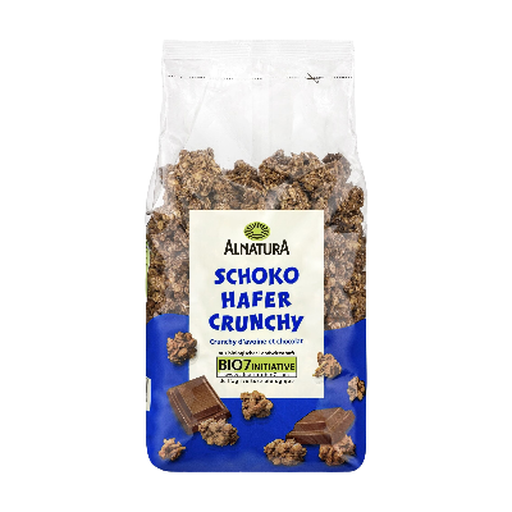
Alnatura Organic Chocolate Oat Crunchy Muesli, 750 g
This chocolate and oat mix could be a good choice if you want a crunchy muesli that you can also eat on its own.
Before buying in bulk, check the sugar content per 100 g and the allergen information on the specific pack. Once opened, it’s best kept in a tightly sealed container.
View at Joybuy
 No image available
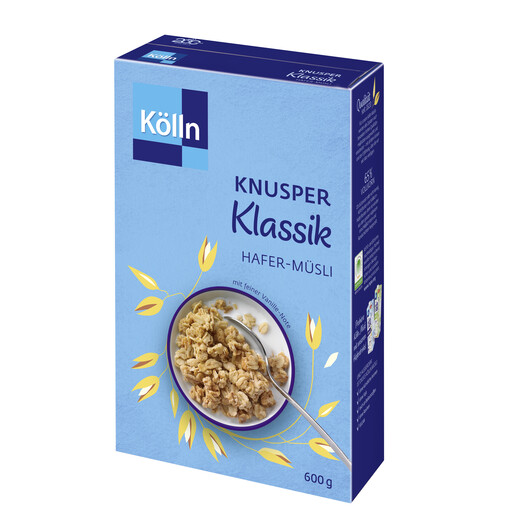
Kölln Crunchy Classic Oat Muesli, 600 g
This mix could suit mornings when you want to eat crunchy muesli without any preparation.
It’s worth checking the ingredients list for this variety: it contains sugar, palm oil and glucose-fructose syrup. Also check the information about gluten-containing cereals.
View at Joybuy
 No image available
Jeden Tag Less Sweet Crunchy Oat Muesli, 750 g
This oat mix works well for a quick breakfast with milk or yoghurt. If you plan to eat it on its own, check that you like the texture.
Check the sugar content per 100 g, regardless of the ‘Less Sweet’ name. Also check the specific pack for information about gluten and possible traces of other allergens.
View at Joybuy
Frequently asked questions
Does ‘no added sugar’ mean muesli is also ‘low in sugar’?
No. ‘No added sugar’ on its own doesn’t tell you how much sugar the muesli contains overall. The German consumer advice centre points out that claims about sweetness from fruit don’t reveal the actual sugar content either. Compare the nutritional information per 100 g and read the ingredients list.
How should I store a large pack of muesli once it’s opened?
Follow the storage instructions on the specific pack and reseal it carefully after use. For Brüggen Früchte Müsli, REWE recommends storing it in a dry place away from heat and keeping the bag tightly sealed at all times. A clean, airtight storage container can be useful.
Where can I find the allergens in packaged muesli?
Check the ingredients list and any other allergen information on the specific pack. According to Germany’s Federal Ministry of Agriculture, Food and Home Affairs, the 14 most common causes of allergies and intolerances must be labelled. Which of them are relevant depends on the muesli recipe.


