
Lieferung heute & morgen

Qualitätsgarantie

Willkommens-Angebote freischalten: KOSTENLOSE Lieferung | Bis zu 80 % RABATT | Kostenlose 30-Tage-JoyPlus-Testphase
App herunterladen
Buying instant noodles in bulk is a smart choice for anyone who values a quick, easy, and cost-effective meal. Whether for university life, a fast lunch while working from home, or as a reliable pantry staple for the family – a case of instant noodles saves shopping time and ensures a warm meal is always on hand.
This article serves as a guide. It introduces various options and provides objective information to help you make an informed choice that suits your taste preferences and needs.
The selection of Asian instant noodles is vast. To find the right Ramen box for your household, the following objective criteria can help with your decision.
The range extends from mild chicken broths to very spicy ramen. Before buying, consider which flavour profiles you prefer. Korean noodles, for example, are often known for their intense heat, while Vietnamese or Chinese varieties cover a broader spectrum from sour-and-spicy to savoury-and-mild. A careful read of the product description will clarify the expected flavour and spice level.
A noodle soup value pack can contain a different number of individual servings depending on the manufacturer, such as 12, 20, or 30 units. Compare not only the total quantity but also the net weight per individual pack (e.g., 79g vs. 120g). This gives a better indication of the actual portion size and helps in assessing the value for money.
Before buying instant noodles, a look at the ingredients list is essential, especially if you have known intolerances. Common allergens in instant noodles include wheat (gluten), soy, fish, and crustaceans. Manufacturers are required to clearly label all allergens on the packaging. This information is also typically found in the online product descriptions.
Here is a selection of different bulk instant noodle packs that cater to various flavour profiles and needs.
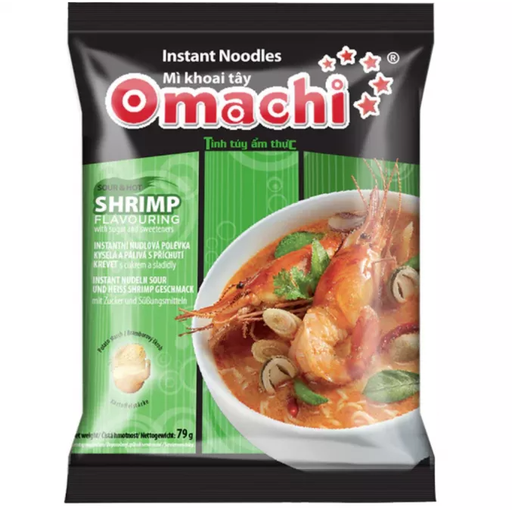
What makes it special: The noodles from this Vietnamese brand contain 2.9% potato starch, which gives them a unique texture. The "Hot & Sour Shrimp" flavour combines the heat of chilli with the acidity of lemon and tomato for a complex flavour experience reminiscent of Thai and Vietnamese soups.
Pros:
Best for: Those who appreciate Southeast Asian cuisine and have a preference for spicy and sour flavours. Ideal for stocking up your pantry.
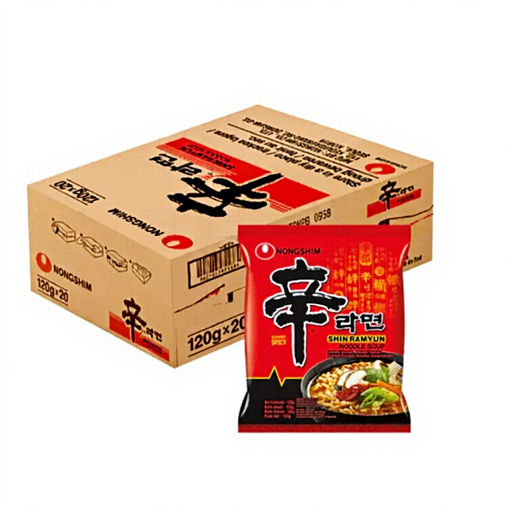
What makes it special:Nongshim Shin Ramyun is a globally renowned brand for Korean noodles. It is famous for its signature, robust heat and rich broth based on beef flavour, shiitake mushrooms, and various spices. The noodles are thicker and chewier than many other varieties.
Pros:
Best for: Fans of Korean cuisine and anyone who prefers a distinctly spicy and savoury noodle soup. A great choice for connoisseurs specifically looking for Nongshim Shin Ramyun.
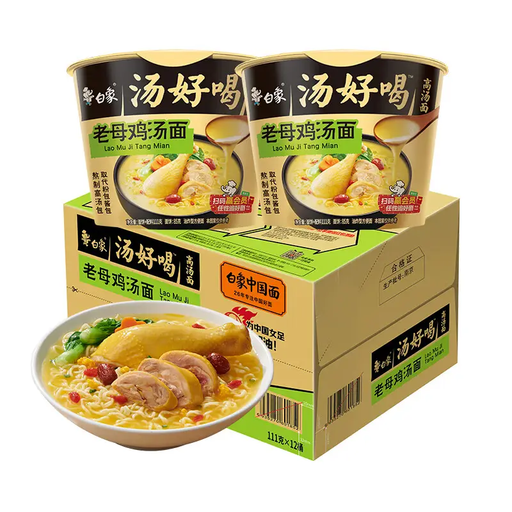
What makes it special: This bulk pack from Bai Xiang offers a classic, mild chicken noodle soup. The flavour is savoury and subtle, making it a versatile option. Preparation is simple and quick, ideal for a meal that appeals to a wide range of palates.
Pros:
Best for: Families with children, shared flats, or individuals who prefer a straightforward, non-spicy flavour. A reliable choice for the everyday pantry.
Haven't found the right flavour or pack size yet? The range of value packs is diverse and includes numerous other brands and varieties.
Discover our entire range of instant noodles in cases here.
Instant noodles are a dry product and therefore have a long shelf life. The exact best-before date is printed on the outer box and is typically between 6 and 12 months from the production date. For optimal shelf life, the noodles should be stored in a cool, dry place, protected from direct sunlight.
Although the terms are often used interchangeably, there are subtle differences. Japanese ramen traditionally refers to a fresh noodle soup, while the instant version in Japan is often called "instant ramen." Korean "ramyun" (or ramyeon) almost exclusively refers to the instant version. In terms of taste, Korean ramyun broths tend to be bolder and spicier, whereas Japanese varieties feature a wider range of broths based on miso, soy sauce (shoyu), or pork bone (tonkotsu).
Yes, this is a common practice. Instant noodles often serve as a base that can easily be elevated. Popular additions include a boiled or fried egg, fresh vegetables like pak choi, spring onions, or spinach, thinly sliced meat, tofu, or even a slice of processed cheese for extra creaminess, which is particularly popular with Korean noodles.