Commuters stocking up for the week
If you’d like to take nuts with you on several days of the week, you can divide a larger pack into smaller portions at home. Remember to plan how you’ll store the opened pack, too.


A 500 g pack is a good fit for your train coffee if you regularly take nuts with you, portion them out at home and can store the opened pack appropriately. For occasional journeys, a smaller pack is often more practical. Whether you choose plain nuts or a seasoned mix depends on the ingredients and allergen information on the specific pack.
If you’d like to take nuts with you on several days of the week, you can divide a larger pack into smaller portions at home. Remember to plan how you’ll store the opened pack, too.
If you want to avoid salt or choose a particular recipe, distinguish between plain nuts and roasted, salted or seasoned varieties. Always check the ingredients list on the specific pack.
For the odd train journey, a smaller pack may better suit how much you’ll eat, especially if you don’t want to store a larger opened pack.
For your train coffee, first think about how often you take nuts with you and whether you want to prepare portions in advance. Then compare the ingredients, allergen information and storage instructions for the specific products.
| What to consider | What to check before buying | Who it matters to |
|---|---|---|
| Pack size and how quickly you’ll use it | Does the pack size suit the days you plan to commute and how much you’ll use after opening? | I take nuts with me on many days and want to use up the pack. For around 33% of consumers, matching pack size to how much they’ll use comes first. |
| Portioning | Can you portion out small amounts into clean, tightly sealed containers before your journey? | I only want to take a small portion between the train and work, rather than carry a bulk pack. Around 27% of consumers prioritise planning how to take their snacks with them. |
| Salt and ingredients | Check the ingredients list and salt information for the variety you’ve chosen; the product name alone isn’t enough. | I’m looking for a particular type of nut to go with my coffee or want to avoid salt. For around 20% of consumers, ingredients and salt are deciding factors. |
| Allergens and storage | Check the allergen and ‘may contain’ information, as well as the storage instructions on the pack. | I need to take allergen information into account, or can only store an opened pack under certain conditions. For around 20% of consumers, this is their main concern when buying. |
Roasted, salted and plain varieties can contain different ingredients. For example, REWE’s ja! roasted & salted peanuts contain sunflower oil and table salt.
Compare the ingredients, salt information and allergen details on the specific packs rather than assuming all varieties of a nut have the same recipe.
For a 500 g walnut product, REWE advises protecting it from heat and moisture. The German Federal Institute for Risk Assessment notes that moulds in food can produce harmful mycotoxins.
Follow the storage instructions on your pack and portion out what you’ll take with you into clean containers. Don’t eat nuts with visible mould.
Lidl lists Solevita as a drinks brand, so it isn’t a direct alternative to ranges of nuts and snack products.
Instead, compare specific nut products by pack size, ingredients and storage instructions.
Seeberger sells products including walnut kernels, cashews and almonds in larger pack sizes.
Under FARMER NATURALS, ALDI SÜD lists products including 500 g XXL packs of trail mix, walnut kernels and almonds.
Lidl describes Alesto as a range of plain nuts, dried fruit and seasoned snacks.
REWE sells a 500 g pack of ja! roasted & salted peanuts.
EDEKA24 lists products under EDEKA Herzstücke including 200 g packs of peanuts and 125 g packs of unsalted cashew kernels.
These 500 g packs could work well if you want to portion out nuts at home for several days of commuting. The selection includes individual types of nuts as well as a nut mix. Check the ingredients and information for each product to choose the variety that suits you.
 No image available
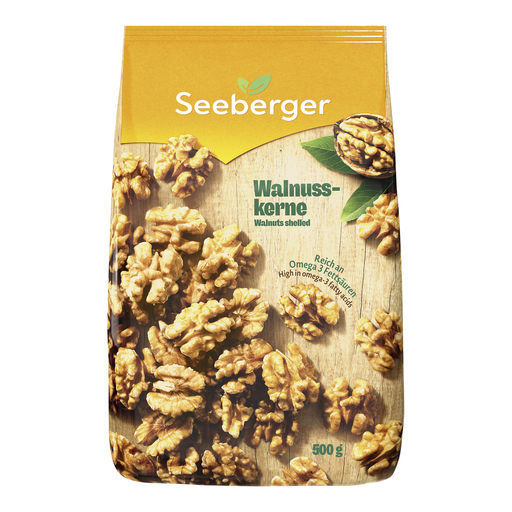
For commuting days when you want to portion out walnut kernels at home. Check the allergen information before buying and follow the pack’s storage instructions after opening.
 No image available
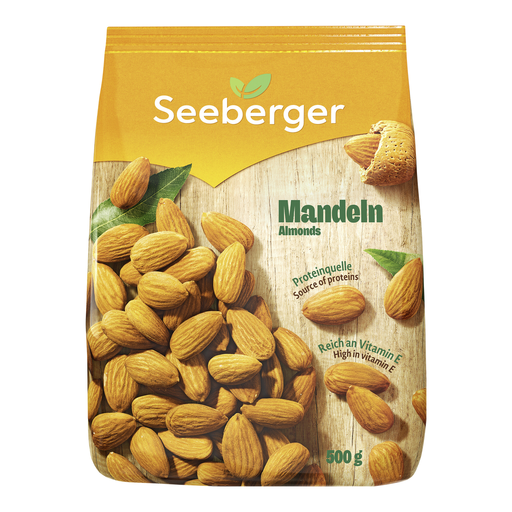
For anyone looking for whole almonds to portion out at home for several train journeys. Check the allergen information and make sure you have a suitable container to take them with you.
 No image available
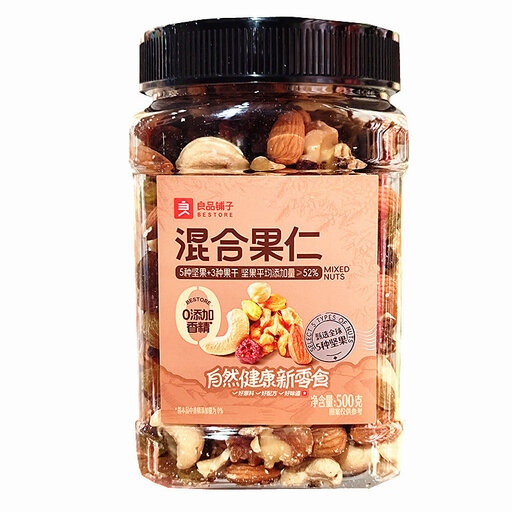
For train journeys when you’d prefer a nut mix to a single type of nut. The mix contains salt; also read the ingredients and allergen information on the specific pack.
 No image available
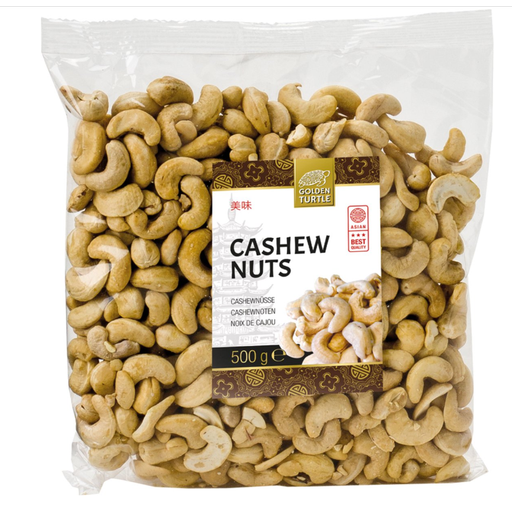
For commuters who want to portion out cashew kernels themselves and use up the pack quickly. The product description says to consume within five days of opening. Check that this suits your needs and read the allergen information.
 No image available
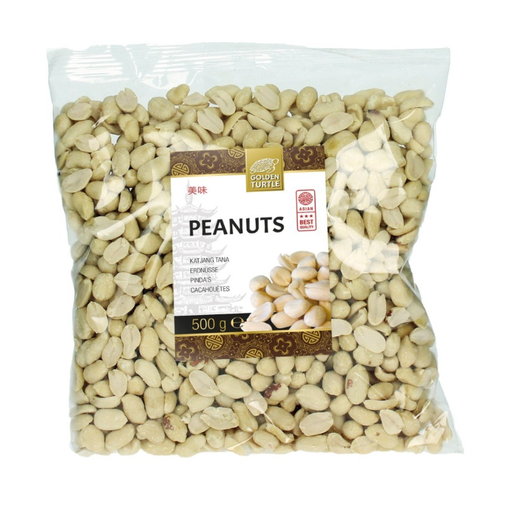
For anyone who wants to portion out peanuts at home for several journeys. The product description says to consume within five days of opening. Consider the peanuts and any other allergen information when choosing.
If you want to avoid salt, look specifically for an unsalted variety and check its ingredients list. Roasted and salted products may contain other ingredients, too: REWE’s ja! roasted & salted peanuts list sunflower oil and table salt as well as peanuts.
Check the ingredients and allergen information on the specific pack, particularly if you need to avoid certain types of nuts or other ingredients. The consumer advice centre highlights ingredients and allergens as important information on food packaging. With a mix, the product name alone doesn’t tell you exactly what’s in it.
Follow the storage instructions on the specific pack. For a 500 g walnut product, REWE advises storing it away from heat and moisture. Portion out what you need for your journey into clean containers and store the rest as directed.