Households that eat nuts regularly
If you often use nuts for snacks, muesli, baking or sharing, you can choose a larger pack based on how much you actually use. Once opened, you’ll need suitable containers and somewhere appropriate to store them.


A bulk pack of nuts is a good choice if you eat them regularly and can store and use them properly once opened. Individually wrapped portions are more convenient for lunchboxes and snacks on the go. Check whether you’re buying plain nuts or a snack with other ingredients. Whichever option you choose, check the ingredients, allergen information and best-before date on the specific pack.
If you often use nuts for snacks, muesli, baking or sharing, you can choose a larger pack based on how much you actually use. Once opened, you’ll need suitable containers and somewhere appropriate to store them.
Individual packs are easy to take with you or share with others without decanting. Still, check what each portion contains: a nut bar isn’t a substitute for a pack of plain nuts if that’s what you want to use as an ingredient.
Ingredients vary between plain, salted and mixed nut products. If allergens are important to your choice, check the ingredients list and any ‘may contain’ information on the specific pack.
First, decide whether you’ll mainly eat the nuts at home or need ready-to-go individual portions. Then you can check that the pack size, ingredients and storage requirements suit how you plan to use them.
| Criteria | What to check | Who it matters most to |
|---|---|---|
| Freshness and storage | Choose a pack size that matches how much you use. Check the best-before date and whether you can store opened shelled or chopped nuts in an airtight container in the fridge. | When I stock up, I want to use the opened pack before it loses quality. For around 31% of consumers, storage is a key consideration. |
| Individual portions | Compare the weight of each pack and the number of portions. Check whether you’re buying plain nuts, a mix or bars with additional ingredients. | For a lunchbox or commute, I need portions I can take with me without decanting. This is the top priority for around 31% of consumers. |
| Ingredients and allergens | Read the ingredients list, nutritional information and allergen information on the specific pack. For salted varieties, also check the salt content per 100 g. | When I buy nuts to share or use as an ingredient, their composition needs to suit how I plan to use them. Around 23% of consumers put ingredients and allergen information first. |
| Choosing the right amount | Compare the pack weight with how long you expect it to last. A larger quantity only makes sense if you can store and use it under suitable conditions. | I want to buy enough nuts for several occasions without having too much left once the pack is open. For around 15% of consumers, buying the right amount comes first. |
Shelled nuts, and especially chopped nuts, are sensitive to light, heat and oxygen. According to Verbraucherzentrale, mouldy nuts can contain aflatoxins, which are not destroyed by heating.
Choose an amount that matches how much you use. Store opened shelled or chopped nuts in an airtight container in the fridge, and throw away any nuts with mould, signs of pests or an unusual smell.
Even almonds can have different ingredients: REWE lists almonds and table salt as the ingredients in its roasted and salted almonds, while EDEKA describes its plain GUT&GÜNSTIG almonds as whole almonds.
Check the ingredients list and, for salted varieties, the salt content per 100 g. If you need a neutral ingredient for baking, the exact composition matters more than the brand name.
Even a pack named after a single type of nut may carry a ‘may contain’ warning for other allergens. Lebensmittelverband Deutschland explains that precautionary allergen labelling is voluntary and differs from the labelling of allergenic ingredients.
Before sharing or using the nuts, read the current ingredients list and ‘may contain’ information on the pack rather than relying on a previous pack from the same brand.
Seeberger sells nuts and seeds in a range of pack sizes, including smaller packs for taking on the go.
Lidl’s Alesto range includes plain nuts, dried fruit and seasoned snacks.
REWE’s own-brand range includes roasted and salted almonds in a 300-g pack.
EDEKA describes its own-brand whole almonds as plain and sells them in a 200-g pack.
ALDI SÜD sells plain almonds in 200 g packs and roasted almonds in 250 g packs under these own brands.
This selection includes larger packs of individual types of nuts for planned use at home, as well as a multipack of individually wrapped nut bars for when you’re out and about. If you want plain nuts for lunchboxes, don’t treat a bar as the equivalent of a portion pack of plain nuts.
 Image unavailable
This 500-g pack of whole almonds is worth considering if you use almonds regularly at home and can store the opened pack appropriately.
Check the labelling on the specific pack for allergen information and the best-before date.
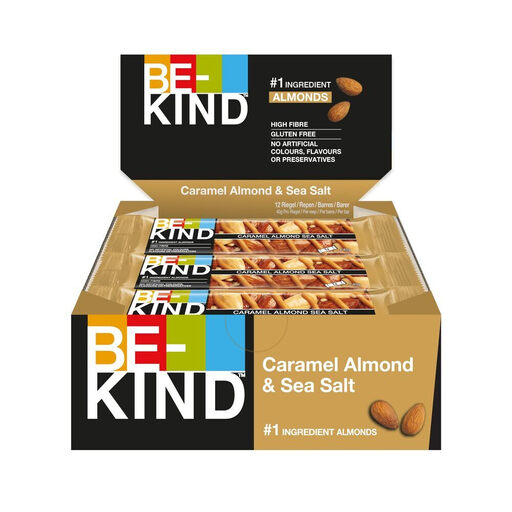 Image unavailable
Twelve individually wrapped 40-g bars are a handy option if you need ready-portioned snacks for lunchboxes or when you’re out and about.
These are nut bars, not portions of plain almonds. Before sharing, check the ingredients and allergen information on the pack.
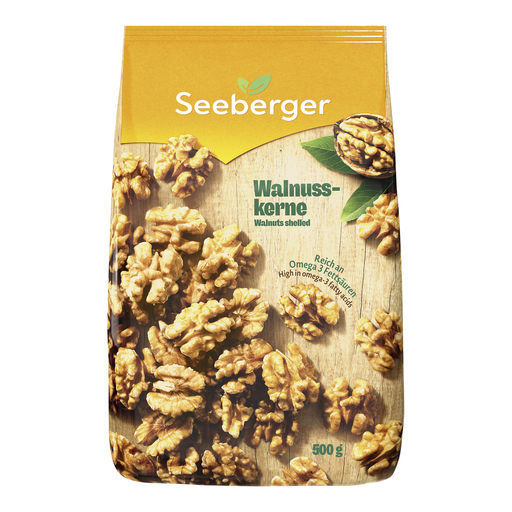 Image unavailable
This 500-g pack of walnut kernels is suited to planned use at home, such as if you regularly use walnuts for baking.
Seal the pack carefully after opening, and check its allergen information and best-before date.
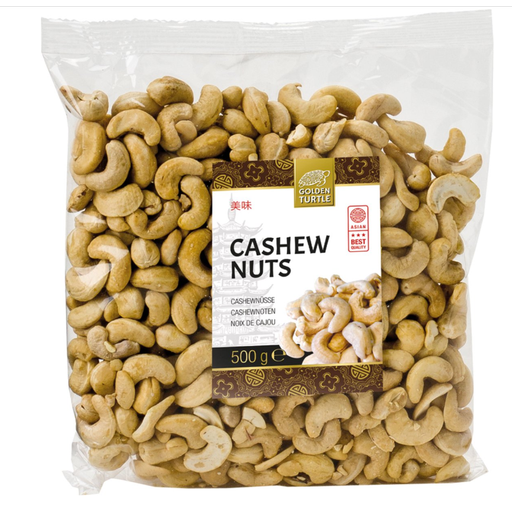 Image unavailable
This 500-g pack of cashew kernels is only worth considering if you can plan to use it soon after opening.
The product description says to use the cashews within five days of opening, which is important to bear in mind. Also check the best-before date and allergen information on the pack.
Store opened shelled or chopped nuts in an airtight container in the fridge. Verbraucherzentrale says opened chopped nuts can be kept there for around four weeks; whole, unshelled nuts last for several months when stored somewhere cool and dark. Throw away any nuts with mould, signs of pests or a musty or rancid smell.
No. Once the pack is open, the condition of the nuts and how they’re stored matter too. Follow the instructions on the pack, and don’t eat nuts with mould or an unusual smell.
It indicates that other allergens may have accidentally got into the product, but doesn’t confirm that they are actually present in the pack. Lebensmittelverband Deutschland says that this kind of precautionary allergen warning is voluntary. If allergens matter when using or sharing the nuts, check the current labelling on the specific pack.