Families planning ahead
If you prepare several lunchboxes or eat nuts at home too, the pack size isn’t the only thing to consider. It’s also important to know whether you’ll use up the contents regularly once opened.


A bulk pack of nuts can be a good choice for the new school year if several people eat them regularly, or if you can divide the contents into snack portions soon after opening. For occasional snacks, a smaller pack or one that’s already portioned may be more practical. The key things to consider are the type of nut or mix, the allergen information and how to store the contents after opening.
If you prepare several lunchboxes or eat nuts at home too, the pack size isn’t the only thing to consider. It’s also important to know whether you’ll use up the contents regularly once opened.
If you’re portioning nuts for school and everyday snacking, check that the type of nut or mix suits your family and consider how you’ll store what’s left. The Federal Centre for Nutrition recommends storing nuts in an airtight container, preferably in the fridge.
For nuts, peanuts and mixes, always check the information on the specific pack. Read the ingredients list and, where relevant, any warnings about possible traces rather than relying on the product name alone.
First, choose between a single type of nut, a mix or a snack that’s already portioned. Then compare the pack size, ingredients and storage requirements with how you plan to use it.
A good choice if: Your household regularly uses the same type of nut for snacks, muesli or baking.
Things to consider: You’ll need to store the opened pack appropriately, and you won’t get a variety of different nuts.
A good choice if: You want nuts and dried fruit together as a snack for break time.
Things to consider: Ingredients and nutritional information vary between mixes. A pure nut mix is different from a fruit and nut mix.
A good choice if: You only need snacks occasionally or want to try a mix before buying more.
Things to consider: Individually wrapped nut bars save you from portioning them yourself, but they aren’t a pack of plain nuts.
| What to consider | What to check when buying | Who it matters most to |
|---|---|---|
| Pack size and how quickly you’ll use it | Compare the pack weight with how you plan to use the contents after opening. | If we’re filling several lunchboxes, I only want to stock up on as much as we’ll use regularly. This is the main consideration for around 42% of consumers. |
| Ingredients and allergens | Check the types of nuts, peanuts, highlighted allergens and, where needed, the sugar and salt information for the specific product. | With a mix, I need to know which ingredients are suitable for my family. Around 33% of consumers prioritise this when choosing. |
| Portioning and storage | Check whether you can portion out the contents and store what’s left in an airtight container. | For individual snacks, I want to prepare portions without leaving the rest open for too long. Around 25% of consumers put this need first. |
A large bag isn’t automatically practical for occasional snacks: once opened, you’ll need to store the contents and use them up.
Choose a quantity based on how often people in your household actually eat nuts and how you can store what’s left.
A fruit and nut mix may contain dried fruit. Nut mixes and seasoned snack varieties also differ in their ingredients and nutritional information.
Check the ingredients list and nutritional information for each product, especially if sugar or salt is important to you when choosing.
Storage matters once a pack has been opened. The Federal Centre for Nutrition recommends storing nuts in an airtight container, preferably in the fridge.
Set aside the portions you need for break time, then seal the rest in an airtight container.
Portioning them out takes suitable containers and a little preparation.
The name of a nut mix doesn’t necessarily tell you all the ingredients or whether it may contain traces. Under the EU Food Information Regulation, allergens listed in Annex II must be highlighted in the ingredients list.
Check the information on each specific pack. If someone has a relevant allergy, also check for any trace warnings and follow the requirements of their school or childcare provider.
The brand’s range includes individual types of nuts and mixes in a variety of pack sizes.
ALDI Nord’s own brand includes nuts and mixes for the home.
Lidl’s Alesto range includes nuts, dried fruit and party snacks.
The REWE range includes various fruit and nut mixes in different pack sizes.
EDEKA24 sells individual types of nuts as well as mixes.
This selection includes larger packs of individual types of nuts, nut mixes and a pack of individually portioned nut bars. The bars are a different type of product from loose nuts or fruit and nut mix.
 No image available
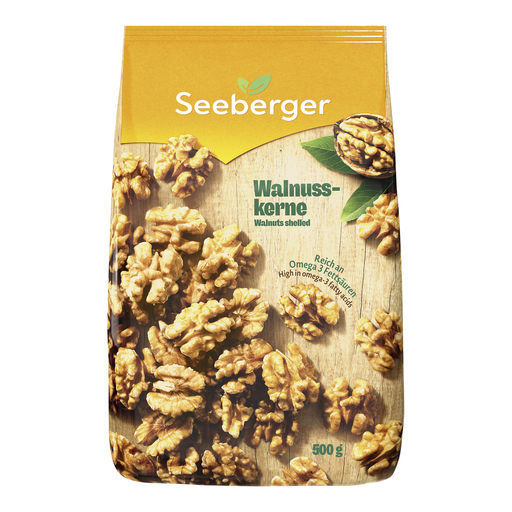
For households that regularly portion out walnut kernels. Consider whether the 500 g pack suits how quickly you’ll use it, and check the pack’s allergen information if you have allergies.
 No image available
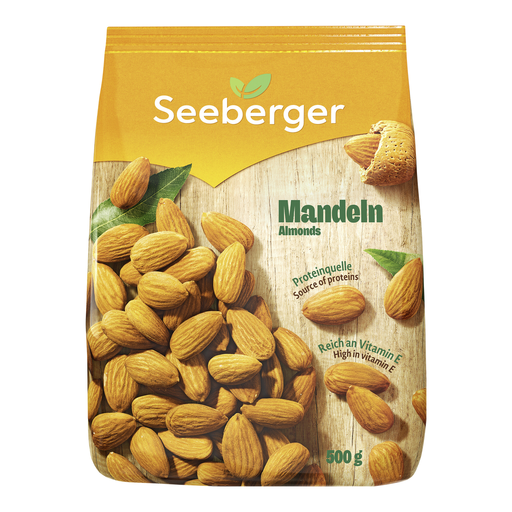
A handy option if you want to stock up on one type of nut and use whole almonds for snacks or other planned recipes. The pack contains 500 g; check the specific allergen information.
 No image available
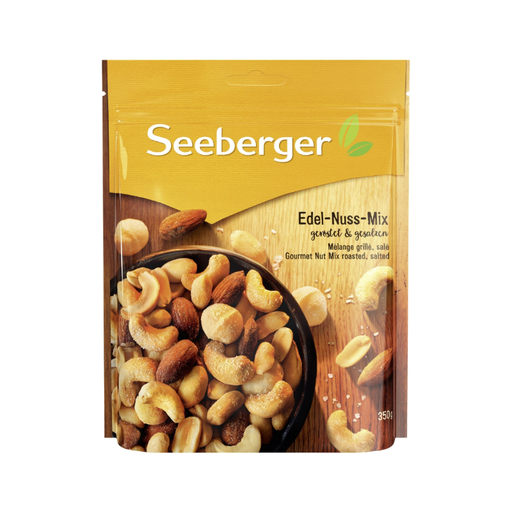
For break-time snacks when you’d prefer a roasted nut mix to a single type of nut. The pack contains 350 g; compare the ingredients and salt content with other mixes.
 No image available
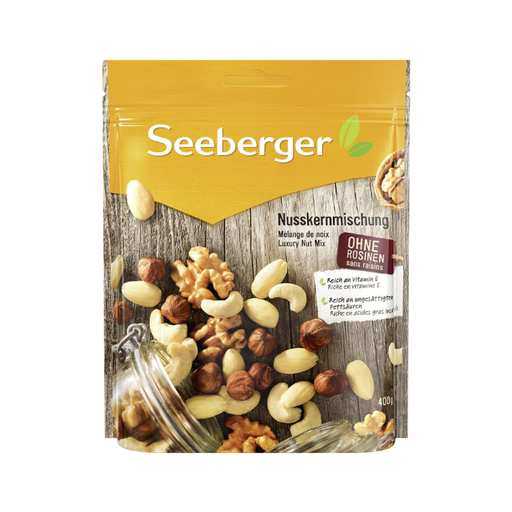
For a supply of mixed nuts without raisins. The pack contains 400 g; compare the ingredients with other nut mixes and check the allergen information.
 No image available
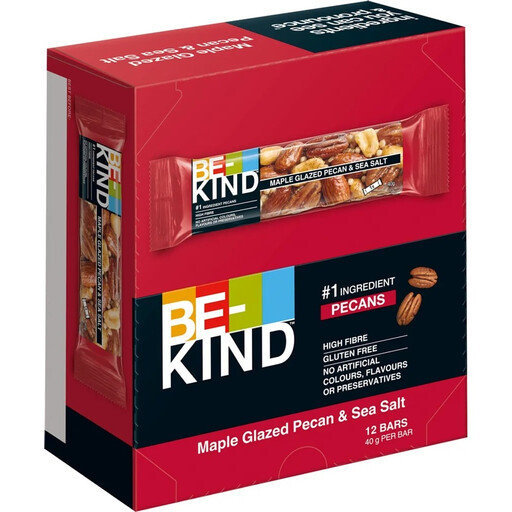
For individually portioned snacks instead of an open bag of loose nuts. The pack contains twelve 40 g bars; as with other processed snacks, check the ingredients, nutritional information and allergens.
No. The right amount depends on how regularly your household uses the nuts or the specific mix. Also consider how you’ll store the contents once the pack is open.
Store nuts in an airtight container; the Federal Centre for Nutrition recommends keeping them in the fridge if possible. If a pack has been open for some time, check the nuts’ appearance and smell before using them.
Check the ingredients list on the specific pack and, if you have a relevant allergy, look for warnings about possible traces too. Under the EU Food Information Regulation, allergens listed in Annex II must be highlighted in the ingredients list. The product name alone isn’t enough.