If you want to stock up on popcorn and choose the ingredients yourself, unseasoned popping corn is a sensible option. The 1 kg example listed by REWE contains only popping corn and provides 12.2 g of protein per 100 g of uncooked product. Multipacks of microwave popcorn take some of the preparation off your hands, while ready-to-eat popcorn can be enjoyed straight away. For both, it’s worth checking the nutritional information for the specific variety. The protein content of uncooked corn doesn’t describe a prepared serving, nor does it automatically make popcorn a high-protein product.
Which format might suit you?
For those who prioritise protein
If you want to include popcorn in a protein-focused diet, compare the protein and energy per 100 g with your actual serving. With uncooked corn, you’ll also need to account for any ingredients you add during preparation.
For those who like to stock up and make their own
If you want to make several servings from one pack and control how much oil, sugar or salt you add, plain popping corn gives you a good starting point. Remember to plan how you’ll prepare it and store what’s left.
For those short on preparation time
Microwave bags come pre-portioned, while ready-to-eat popcorn can be enjoyed straight from the pack. Check the nutritional information for your chosen variety, and follow the preparation instructions and warnings on microwave popcorn packs.
What to look for when choosing
When stocking up on popcorn for a protein-focused diet, first check what a realistic serving contributes. Then decide how much control over the ingredients or convenience during preparation you need. The points below each relate to the main reason for choosing a particular product.
| What matters to you |
What to check before buying |
Who it matters to |
| Protein in each serving |
Compare the protein and energy per 100 g with the serving you plan to eat. With uncooked corn, remember to account for any ingredients you add later. |
When I’m planning my protein intake, I want to know what my actual serving contributes. For around 50% of consumers, protein content is the main priority. |
| Stocking up and controlling ingredients |
Check the pack weight, ingredients list and storage instructions. For ready-to-eat popcorn, also read the nutritional information for your chosen variety. |
If you’re stocking up on several servings but want to season them yourself, you need an amount you can store and use easily. This is the main priority for around 30% of consumers. |
| Preparation and portioning |
For microwave bags, read the pack instructions and warnings. For ready-to-eat popcorn, compare the pack size with the number of servings. |
When time is short, I want to make preparation easier or simply take out a ready-to-eat serving. This convenience is the main priority for around 20% of consumers. |
Common comparison mistakes
-
Assuming that protein per 100 g means ‘high protein’
The protein figure alone doesn’t determine whether a product can make this claim. Lebensmittelklarheit explains that at least 20% of a food’s energy must come from protein for it to be described as ‘high protein’.
Read the protein and energy information for the specific variety together, rather than judging it by the packaging alone.
-
Comparing uncooked corn and ready-to-eat popcorn by weight alone
Uncooked corn needs to be prepared, and you may add other ingredients in the process. The 1 kg example listed by REWE contains only popping corn, while the sweet Tise popcorn listed there provides 38 g of sugar per 100 g.
Compare nutritional values using the same reference amount, and take into account anything you add to uncooked corn.
-
Choosing a large pack without planning how you’ll use it
A bulk pack isn’t practical if you can’t store or use the contents in good time. With popcorn that’s already seasoned, the recipe is fixed for the whole pack.
Before choosing, think about how many servings you need, then check the storage instructions and ingredients list.
-
Overlooking the warnings on microwave popcorn bags
Preparation and opening instructions vary depending on the microwave popcorn bag. REWE warns that hot steam may escape when opening Seeberger microwave popcorn.
Follow the instructions on your chosen pack and open the heated bag carefully, holding it away from your body.
Brands and retailers to help you compare
These examples can help you compare formats and nutritional information. A retailer or brand name alone doesn’t tell you whether a particular variety is right for you.
REWE / REWE-Onlineshop
REWE lists products including popping corn for home preparation and ready-to-eat popcorn in a range of pack sizes.
- The listed Yörem product contains 1 kg of popping corn and provides 12.2 g of protein per 100 g of uncooked product. The listed Tise ready-to-eat popcorn contains 800 g and provides 5 g of protein per 100 g.
- Uncooked corn and ready-to-eat popcorn differ in how they’re prepared and in their ingredients. So compare the serving size and ingredients list for each product too.
EDEKA / GUT&GÜNSTIG
EDEKA sells a multipack of salty GUT&GÜNSTIG microwave popcorn, with three 100 g bags.
- The stated bag size makes it easier to plan individual servings.
- EDEKA lists 8.1 g of protein, 21 g of fat and 2.5 g of salt per 100 g for this product. Check the information on the pack you buy.
funny-frisch
Protein Chips Barbecue Style are a different kind of crunchy snack, not popcorn.
- funny-frisch states that Protein Chips Barbecue Style provide 21 g of protein per 100 g.
- If you’re specifically looking for popcorn and ways to prepare it, Protein Chips aren’t a like-for-like alternative.
Lorenz
Lorenz sells NicNac's Original peanut snacks in several pack sizes, including a 600 g bag.
- The listed pack sizes may be useful when comparing snack options to stock up on.
- NicNac's Original isn’t popcorn, so it shouldn’t be included in a nutritional comparison between popcorn varieties.
A snack alternative at Joybuy
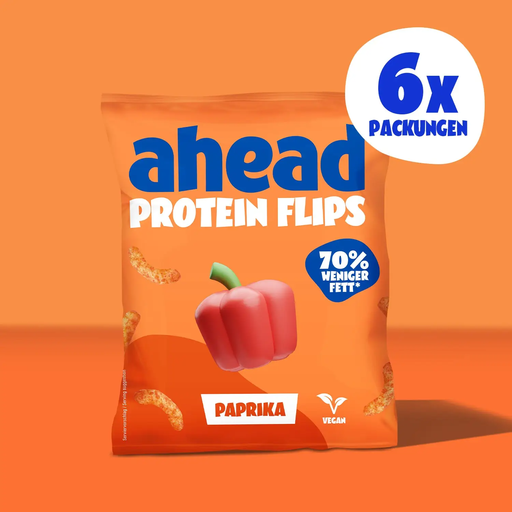
If a snack in individually wrapped portions matters more to you than popcorn itself, these Protein Flips are a separate alternative to consider. They aren’t a substitute for uncooked corn, microwave popcorn or ready-to-eat popcorn when comparing formats.
 No image available
ahead Protein Flips Paprika, 6 × 50 g
An option for anyone looking for a snack in individual bags instead of popcorn.
The tray contains six 50 g bags. If protein content is important to your decision, compare the nutritional information on the pack, including energy and salt.
View at Joybuy
Frequently asked questions
Is popcorn with a protein figure automatically a high-protein product?
No. Lebensmittelklarheit explains that at least 20% of a food’s energy must come from protein for it to be described as ‘high protein’. Grams of protein per 100 g alone aren’t enough to determine this, so check the nutritional information for the specific variety.
When is popping corn a better choice than sweet ready-to-eat popcorn?
Popping corn is a good choice if you want to prepare it yourself and control the added ingredients. The Yörem example listed by REWE contains only popping corn and provides 12.2 g of protein per 100 g of uncooked product. The sweet Tise popcorn listed there provides 5 g of protein and 38 g of sugar per 100 g of ready-to-eat product. With uncooked corn, remember to account for how you’ll prepare it and the size of your serving.
What should I look out for with microwave popcorn?
Follow the preparation instructions for the specific bag and take care when opening it, following any warnings. EDEKA gives different cooking times for its salty GUT&GÜNSTIG multipack depending on microwave power, while REWE warns that hot steam may escape from Seeberger microwave popcorn.
How should I store a large pack of unpopped corn?
Follow the storage instructions on the specific pack. For the Yörem product listed by REWE, the recommended storage conditions are cool, dry and away from sunlight. Also check the best-before date on your pack.


