
Lieferung heute & morgen

Qualitätsgarantie

Willkommens-Angebote freischalten: KOSTENLOSE Lieferung | Bis zu 80 % RABATT | Kostenlose 30-Tage-JoyPlus-Testphase
App herunterladen
For culinary professionals and passionate home cooks, selecting the right rice is crucial for high-quality sushi. Consistent availability and unwavering quality are essential. Buying a bulk bag of sushi rice is often the most economical and practical solution. This guide is designed to help you make an informed purchasing decision for 10kg sushi rice. We will outline objective criteria and present a selection of products suitable for professional kitchens and discerning home use.
Choosing the right sushi rice depends on specific product characteristics. Three key aspects will help you make the right choice.
The foundation of authentic sushi is a specific short-grain rice. Unlike long-grain rice, it is characterised by a high amylopectin content, a type of starch that creates a sticky texture when cooked. This sticky rice for sushi is essential for nigiri and maki rolls to hold their shape. Look for product descriptions like "sushi rice," "Calrose rice," or "Japanese short-grain rice" to ensure the variety is suitable for this purpose.
While many traditional rice varieties originate from Japan, high-quality sushi rice is now also cultivated in other regions like Italy and the USA. The origin can be an indicator of certain quality standards, but the variety and processing are more critical. A premium sushi rice is carefully polished to remove the outer bran layer, resulting in a purer colour and better water absorption. For sushi rice for professional kitchens, consistent quality from batch to batch is especially important to guarantee reliable results.
Purchasing 10kg of short-grain rice offers a clear price advantage over smaller packages and secures a steady supply for regular use. When storing such a large quantity, it is crucial to protect the rice from moisture, pests, and strong odours. After opening, the rice should be transferred to an airtight container and stored in a cool, dry place to maintain its freshness and quality.
Based on the criteria mentioned, we have compiled a selection of 10kg products suitable for various needs.
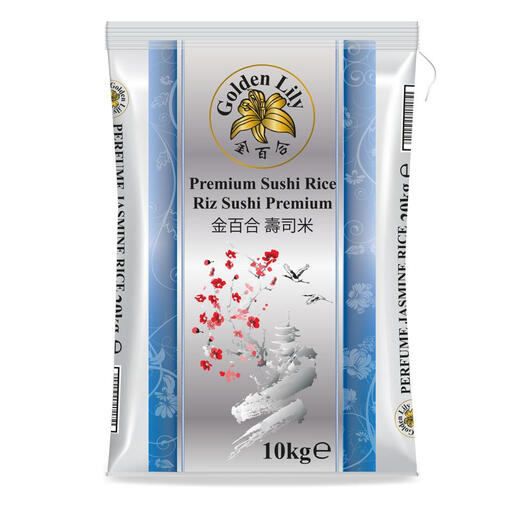
Why It Stands Out Golden Lily Premium Sushi Rice is a high-quality short-grain rice specially selected for preparing sushi. It is distinguished by its excellent texture and superb flavour. The grains stick together well after cooking without becoming mushy, making it a dependable choice for various sushi creations.
Advantages
Who It's For This product is ideal for sushi restaurants, catering services, and families who regularly prepare sushi and are looking for a reliable rice that offers excellent value.
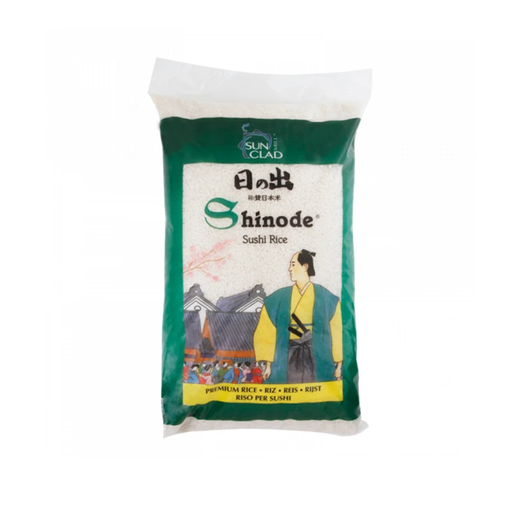
Why It Stands Out Shinode rice is renowned for its superior stickiness and glossy finish after cooking. It has been specially selected for making authentic sushi and onigiri (rice balls). Its delicate, slightly sweet flavour profile pairs beautifully with sushi vinegar and other ingredients.
Advantages
Who It's For An excellent choice for professional sushi chefs and ambitious home cooks who value an authentic texture and a glossy, appealing look for their rice dishes.
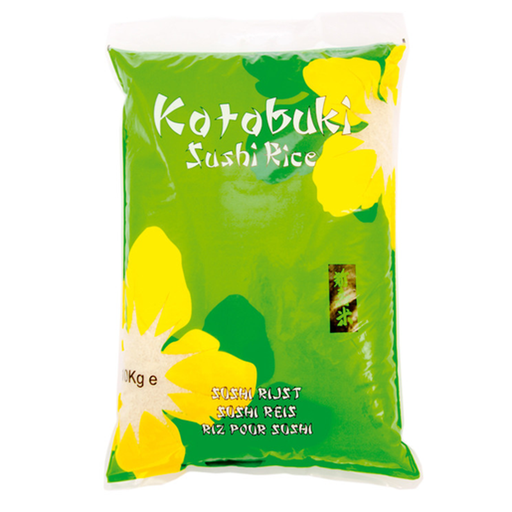
Why It Stands Out Kotobuki Sushi Rice is a high-quality, Japanese-style short-grain rice prized for its pearl-white texture and its ability to remain stable when shaping nigiri and maki. It offers a clean, mild flavour that complements, rather than overpowers, the aromas of fish and vinegar.
Advantages
Who It's For This product is a solid choice for food service businesses and anyone seeking a professional-grade sushi rice that meets high standards for mouldability and taste.
If the products featured here don't exactly meet your needs, or if you are considering other package sizes, you can find more alternatives in our collection. If you want to buy a different Japanese rice, it's worth exploring the full selection.
Discover our entire range of sushi rice here
The main difference lies in the grain shape and starch content. Sushi rice is a short-grain rice with a high level of amylopectin starch. This starch causes the grains to stick together during cooking, which is essential for shaping sushi. Long-grain rice, such as basmati or jasmine, has a higher amylose content, which keeps the grains separate and fluffy.
To maintain the quality of a bulk bag of sushi rice, it should be stored in a cool, dry, and dark place. After opening, it is advisable to transfer the rice into one or more airtight containers. This protects it from moisture, which can lead to mould, as well as from insects and the absorption of foreign odours from its surroundings.
Yes, absolutely. Due to its sticky texture, sushi rice is excellent for a variety of other Asian dishes. These include Japanese onigiri (rice balls), Korean kimbap, various rice bowls (donburi), or as a side for curries and other saucy dishes where a sticky rice is desired.