Lieferung heute & morgen

Qualitätsgarantie

Willkommens-Angebote freischalten: KOSTENLOSE Lieferung | Bis zu 80 % RABATT | Kostenlose 30-Tage-JoyPlus-Testphase
App herunterladen
In German culture, there is a deep-rooted appreciation for a well-stocked pantry. The idea of a full cellar or cupboard is less an act of hoarding and more a quiet exercise in foresight. It is the conscious decision to create a foundation of peace and order. A well-organised supply of daily necessities frees you from the mental load of small, recurring errands. It creates a buffer that allows us to focus our energy on more important matters. This philosophy of preparation also applies to the simplest objects in our homes.
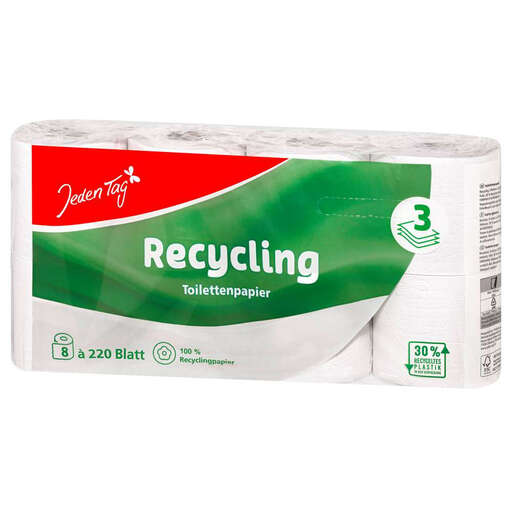
Opting for a bulk supply, such as a bulk pack of toilet paper, is more than just a logistical consideration. It is an opportunity to make conscious choices about quality, sustainability, and comfort. Even an everyday item like toilet paper has its own design philosophy, reflected in its material, structure, and manufacturing process. The choice of material is fundamental. Here, papers made from virgin pulp are contrasted with recycled toilet paper. The latter, often recognisable by certifications like the Blue Angel, is made from 100% recycled paper. This process conserves wood resources and uses less water and energy in production.
However, the quality of a paper is not defined by its origin alone, but also by its structure. The ply count is a decisive factor for tear-resistance and absorbency. A 3-ply toilet paper often offers a balanced compromise between stability and softness. Variants with four plies, such as 4-ply toilet paper, aim for an enhanced feeling of comfort. Modern embossing techniques bond the individual layers and create a texture that influences not only the strength but also the perceived softness. This results in a soft toilet paper that is both functional and pleasant to use.
Another aspect of growing importance is skin compatibility. Many households specifically look for toilet paper for sensitive skin. Products that are free of fragrances, dyes, and bleaching agents offer a neutral solution. Dermatological tests provide additional reassurance for users with sensitive skin or allergies. The decision to buy toilet paper online allows you to compare these features at your leisure and make a selection that precisely meets your household's individual needs.
Examining the details of everyday objects often reveals thoughtful innovations. A prime example is the Zewa Toilet Paper Smart 3-Ply, which stands out for its coreless design. This construction eliminates the cardboard core, thereby reducing waste, while the roll itself holds more sheets. It is a subtle yet effective step towards resource conservation that fits seamlessly into a conscious lifestyle.
Alongside the optimisation of existing materials, new raw materials are becoming established. Bamboo, a fast-growing type of grass, serves as the basis for papers like the ochama BambooToilet Paper Roll. These products use an alternative fibre that often requires no bleaching agents and retains a natural feel. Zewa follows a similar path with its toilet paper containing straw, in which an agricultural by-product is given a new purpose. Such approaches demonstrate how sustainable toilet paper can be realised in various ways.
For a comprehensive feeling of cleanliness, many complement dry paper with a moist alternative. The Glücksblatt Wet Toilet Tissue Chamomile is a thoughtful option here. It is made from a water-soluble material and is enriched with soothing chamomile extract. For those who prioritise a particularly luxurious feel, a four-ply paper like the Zewa Ultra Soft Toilet Paper is a fitting addition to the bathroom. The fine embossing and dense structure provide tangible comfort in everyday life.
For those who value exceptional skin compatibility when making their choice, the directory for Hypoallergenic Toilet Tissue offers a curated overview.