
Lieferung heute & morgen

Qualitätsgarantie

Willkommens-Angebote freischalten: KOSTENLOSE Lieferung | Bis zu 80 % RABATT | Kostenlose 30-Tage-JoyPlus-Testphase
App herunterladen
The world of Burgundy wines is fascinating and diverse, but it can also be bewildering. Names like Grauburgunder, Sp?tburgunder, and Wei?burgunder might sound familiar, but the differences are significant. Add international terms like Pinot Grigio or Pinot Noir to the mix, and the confusion only grows. Many wine lovers fall into traps when buying, whether due to misleading labels or a lack of understanding of the grape varieties. This guide will help you navigate the common pitfalls and find the perfect Burgundy wine that meets your expectations.
Before we dive into the selection criteria, it's important to understand the most common issues that can lead to a disappointing purchase.
To avoid a bad buy, you should check three key parameters. These will help you objectively assess the quality and style of a Burgundy wine.
The grape variety is the most important indicator of the wine's character. Within the Burgundy family, there are clear distinctions:
The origin (the terroir) significantly shapes a wine's flavour. Soil, climate, and the winemaker's craft play a crucial role.
Look for protected designations of origin such as DOC (Italy) or Qualit?tswein (Germany), as these indicate compliance with specific production standards.
If you've found your favourite wine or simply want to stock up, buying a case of wine is often the most economical solution. The price per bottle in a 6-bottle case is usually much lower, and the shipping costs are spread across multiple bottles. This is a simple way to avoid the cost trap mentioned in point 3.
Here are some recommendations tailored to different needs and taste profiles.
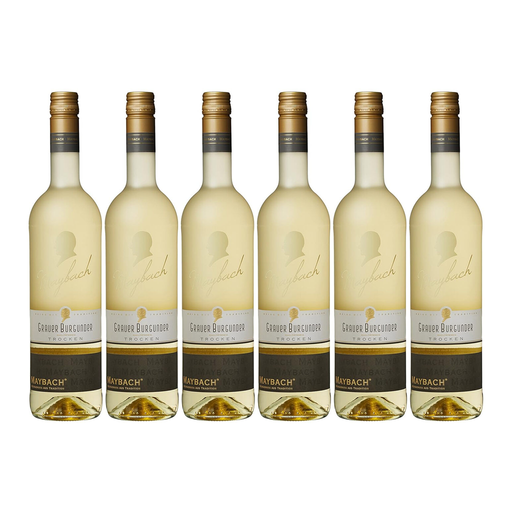
Why This Fits Their Persona: Ideal for everyday enjoyment and stocking up. This wine offers reliable quality at a fair price in a convenient 6-bottle case, perfect for anyone who appreciates an uncomplicated and accessible Pinot Gris.
Buying it as a case of wine bypasses the trap of high shipping costs for single bottles. The clear declaration as a dry quality wine from Rheinhessen provides reliability and avoids the Pinot puzzle.
Good value for money. Fruity aromas of peach and apple make it a versatile companion for light dishes.
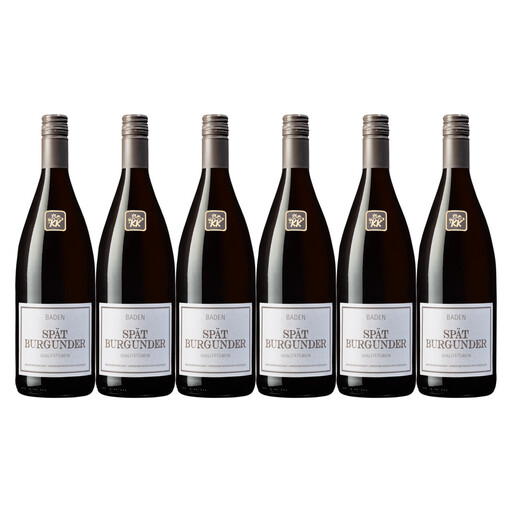
Why This Fits Their Persona: For wine lovers seeking a wine with a clear origin and character. This Pinot Noir from the Kaiserstuhl reflects the mineral-rich volcanic soils and offers a complex taste experience.
The specific site designation "Vulkanfelsen" (volcanic rock) is a clear quality feature that sets the wine apart from generic products. As a single-varietal Pinot Noir, there is no risk of confusion.
Pronounced minerality and structure. Aromas of ripe red cherries, dark berries, and a subtle spiciness.
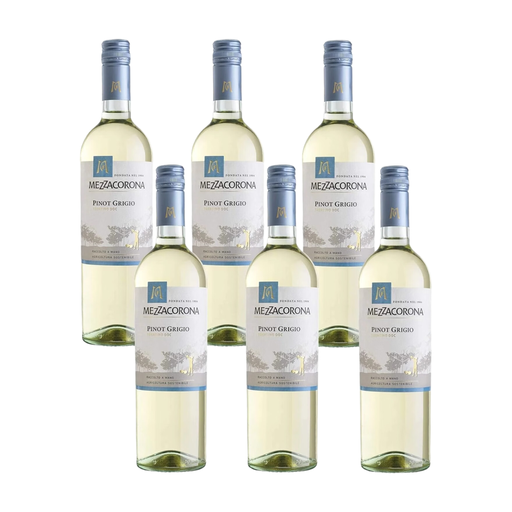
Why This Fits Their Persona: Perfect for anyone looking for a light, fresh, and crisp white wine for social gatherings, as an aperitif, or with light appetisers. It embodies the classic, dry style of an Italian Pinot Grigio.
The DOC (Trentino) classification guarantees its origin and adherence to quality standards. This clearly distinguishes the wine from a generic German-style Pinot Gris and ensures you get the light, Italian style you expect.
Fresh and intense bouquet with notes of green apple and citrus. Light, crisp, and dry on the palate.
We've compiled a complete, up-to-date list of products that fully meet these strict selection criteria and legal standards.
What is the difference between Grauburgunder and Pinot Grigio? Although they are the same grape variety, the difference lies in the wine style, which is shaped by the origin. In Germany, Grauburgunder is often made in a fuller-bodied style with aromas of ripe fruit. In Italy, Pinot Grigio is typically harvested earlier and vinified into a lighter, fresher wine with higher acidity.
Why is origin so important for Burgundy wines? The Burgundy grape varieties are very sensitive to their environment (terroir). Soil composition, sun exposure, and climate have a direct impact on the wine's aroma and structure. A Pinot Noir from a cool slate slope tastes completely different from one from warm volcanic soil. The origin is therefore a crucial clue to the expected flavour profile.
When is buying a case of wine online worthwhile? Almost always. Glass bottles are heavy and expensive to ship. The shipping cost for a single bottle can make up a significant portion of the total price. When you buy a 6-bottle case, these costs are distributed, which typically lowers the price per bottle significantly. If you know and like a wine, or want to try several wines from one winery, a case is the more economical choice.