
Lieferung heute & morgen

Qualitätsgarantie

Willkommens-Angebote freischalten: KOSTENLOSE Lieferung | Bis zu 80 % RABATT | Kostenlose 30-Tage-JoyPlus-Testphase
App herunterladen
For many, the aroma of freshly ground coffee is the epitome of a perfect start to the day. Yet, the path to the perfect cup is often paved with marketing promises and technical pitfalls. An unsuitable coffee grinder can ruin even the highest quality beans, leading to disappointing results. Before you make a decision, it's crucial to understand the most common mistakes that often lead to buyer's remorse.
As your Joybuy Product Recommendation Officer, I'm here to help you separate the wheat from the chaff. This guide focuses on the objective criteria that truly matter and shows you how to find the right grinder for your needs.
Many buyers focus on wattage or price, overlooking crucial technical details. This often leads to frustration and the feeling of having wasted money.
To avoid these traps, you should focus on three core technical aspects. These are the primary determinants of the quality of your grind and, consequently, your coffee.
The grinding mechanism is the most important component. There are three main types:
The ability to adjust the adjustable grind size is fundamental. The only question is how precisely this can be done.
The choice between a manual coffee grinder and an electric one depends on your habits.
Instead of presenting an overwhelming list, we have selected models that meet specific user profiles and purposefully avoid the pitfalls mentioned earlier.
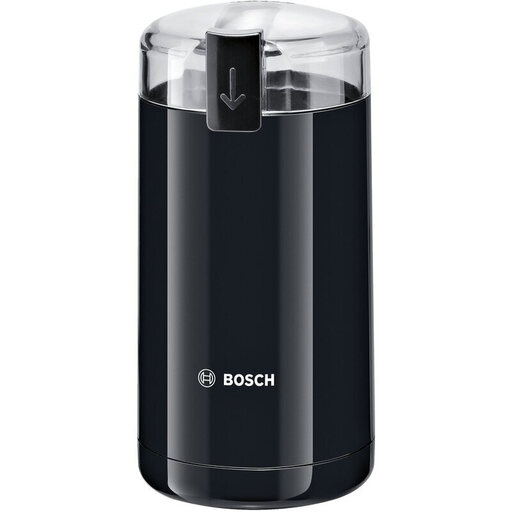
Why This Fits Their Persona: Ideal for users seeking a straightforward, fast, and reliable solution for daily filter coffee or for grinding spices. The operation is self-explanatory, and its compact design fits into any kitchen.
This model is a blade grinder but is honestly positioned for its intended purpose. It avoids the trap of promising versatility it can't deliver. You get a solid, branded device for simple applications instead of a no-name product with false promises.
Simple one-button operation and a safety switch that only allows operation when the lid is on. The stainless steel blade is robust, and the 75g capacity is sufficient for several cups.
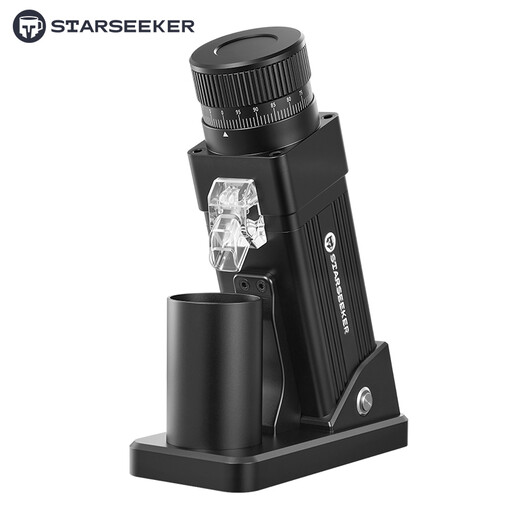
Why This Fits Their Persona: For coffee lovers who want full control over the grinding process and prepare both espresso and filter coffee at a high level. This model offers professional features for the discerning home user.
It avoids the trap of imprecise grind settings with a stepless adjustment system. This allows for micro-adjustments that are essential for preparing perfect espresso and are often lacking in stepped grinders.
The 55mm titanium alloy conical burr ensures a homogeneous grind and durability. The anti-static technology reduces static cling of the coffee grounds, ensuring a clean workspace.
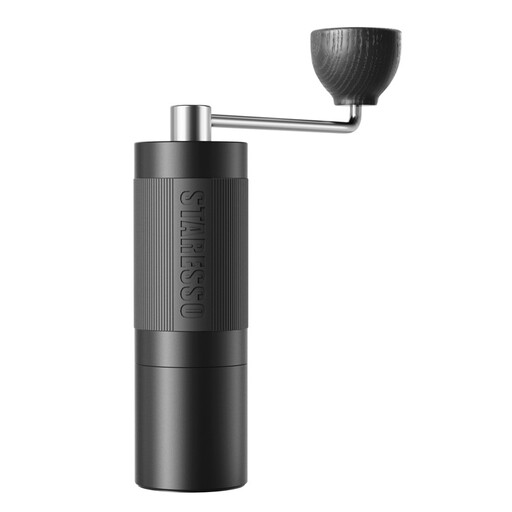
Why This Fits Their Persona: Perfect for anyone who doesn't want to miss out on freshly ground coffee, even on the go. Its compact and robust all-metal construction makes it the ideal companion for camping, hiking, or in the office.
Many cheap hand grinders have an unstable burr axle, leading to an inconsistent grind. This model avoids that trap by using a dual-bearing system that stabilises the axle and ensures a consistent grinding result.
The CNC-milled stainless steel burr is precise and durable. The grinder can be fully disassembled, allowing for easy and thorough cleaning—a key factor for consistently great taste.
We have compiled a complete, up-to-date list of products that fully meet these strict selection criteria and German safety regulations.
The cleaning frequency depends on the grinder type and usage. For a conical burr grinder or flat burr grinder, it's recommended to remove coffee dust weekly with a brush. A more thorough cleaning, involving disassembly of the burrs, should be done about once a month to remove old coffee oils. Blade grinders should be wiped out after each use, as the grounds tend to stick more.
Technically, it's possible, but not recommended. The intense oils and aromas of spices like cumin or cloves can get trapped in the burrs and permanently affect the taste of your coffee. If you frequently grind spices, investing in a second, simple grinder (e.g., a blade model) is a wise decision.
For classic filter coffee from a drip machine or a manual dripper, a medium grind is a good starting point. The consistency should be similar to that of table salt. If the coffee is too watery, choose a finer setting. If the water flows through too slowly and the coffee tastes bitter, the grind is too fine and should be set coarser.