Planning to make a biscuit base?
If you want to crush biscuits for a base, choose a pack size that matches the weight specified in your recipe. EDEKA’s recipe for jelly cake uses 200 g of butter biscuits for the base.


For a biscuit base or a topping made with whole biscuits, classic butter biscuits are the obvious choice, provided the product format and quantity match your recipe. A 200-g pack provides the amount of biscuits used in an EDEKA recipe for one base; with a 400-g pack, you’ll have half left over after making one. Only plan to use an individually portioned snack as a substitute if its weight, ingredients and format suit the specific recipe.
If you want to crush biscuits for a base, choose a pack size that matches the weight specified in your recipe. EDEKA’s recipe for jelly cake uses 200 g of butter biscuits for the base.
If you’re arranging whole biscuits on top of a cake, both the recipe quantity and the biscuits’ shape and number matter. EDEKA’s butter biscuit cake recipe calls for 25 butter biscuits for the topping.
First, check whether your recipe calls for crumbs or whole biscuits. Then compare the amount you need with the pack size, and check the ingredients and allergens for the specific product.
| What to consider | What to check | Who it matters most to |
|---|---|---|
| Recipe quantity | The weight specified in the recipe and the pack contents, plus any extra biscuits needed for the topping. | If I’m only making a biscuit base, I don’t want to have to buy more or store an unexpected amount left over. Around 24% of consumers are likely to put finding the right quantity for their recipe first. |
| Biscuit format | Whether the recipe calls for crumbs or whole biscuits, and whether the product is filled or coated. | For a visible topping, I need biscuits in the format specified; for a base, I need to be able to match the type I’ve chosen to the recipe. Around 29% of consumers are likely to consider the right biscuit format their top priority. |
| Ingredients and allergens | The ingredients list, highlighted allergens, may contain warnings and, if needed, nutritional information per 100 g on the pack. | If I need to avoid certain ingredients, the words ‘butter biscuit’ aren’t enough to help me decide. Checking the specific product is likely to come first for around 29% of consumers. |
| Individual portions | The product’s pack format and weight, and how well it matches the recipe if you’re using it in a cake. | If I want to eat one biscuit separately and use the rest for baking, the portion format needs to work for both. Around 18% of consumers are likely to prioritise this dual use. |
EDEKA’s recipe for a 26-cm biscuit base uses 200 g of butter biscuits. A 400-g pack works out at two portions of biscuits for a base like this, but that alone doesn’t tell you how a particular product will turn out.
Note down how many grams you need for the base and decoration before choosing a pack size.
If you’re only making one base, you’ll have 200 g of biscuits left over from a 400-g pack.
EDEKA notes that information about its butter biscuits may differ from what’s shown on the packaging. ALDI SÜD says that details for its listed product may vary because it uses different suppliers.
Check the ingredients, allergens and nutritional information on the pack you actually buy.
The products listed contain ingredients including wheat and milk; the listed Leibniz Butter Biscuit also contains whole egg powder. The ingredients therefore depend on the specific product.
If you need to avoid certain ingredients, check the may contain warnings too, rather than relying on the product category name.
The EDEKA recipes use butter biscuits either by weight or whole for the topping. An individually portioned product may come in a different quantity or format.
Compare the specific product with your recipe, checking its weight, whether it’s filled or coated, and how it’s intended to be used.
An option if you’re looking for a pack in the right size for a recipe that calls for 200 g of butter biscuits.
The butter biscuits listed by REWE are worth considering for recipes that need more than 200 g, or if you have another use for the leftovers.
According to EDEKA, the 400-g pack contains two separately wrapped 200-g portions. This can be handy if you’re planning to use different amounts for separate recipes.
ALDI SÜD lists BISCOTTO butter biscuits in a 400-g pack.
This selection includes butter biscuits in 200-g and 150-g packs. You can compare them with the quantities used for a biscuit base. If you’re planning a topping made with whole biscuits or would prefer individual portions, check the format of each pack too.
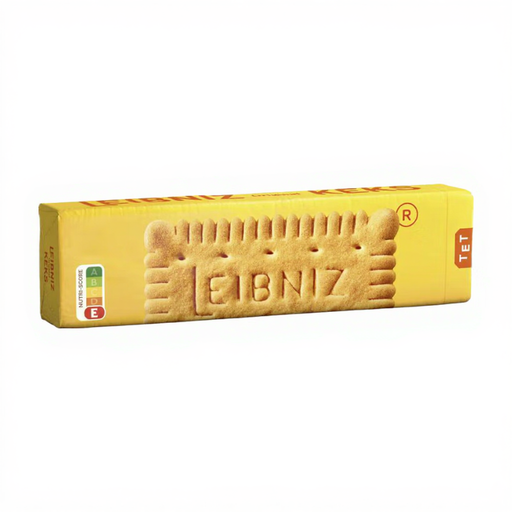 No image available
The pack contains 200 g, matching the quantity used for the base in the EDEKA recipe mentioned above.
If you want to use whole biscuits as a topping or serve individual portions, check the number of biscuits and the pack format to make sure they suit your plans. If you have allergies, check the information on the packaging of the product you buy.
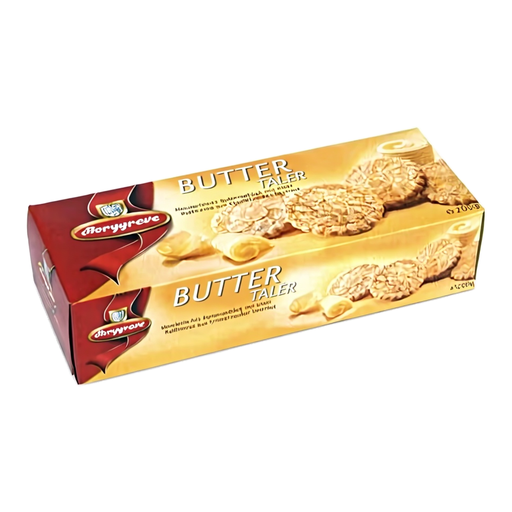 No image available
At 200 g, the pack is a direct match for a recipe that calls for the same quantity of biscuits for the base.
If you’re making a topping with whole biscuits or want to eat individual portions separately, check the number of biscuits and the packaging format. If you have allergies, check the information on the pack.
 No image available
The 150-g pack is worth considering if that’s the quantity your recipe calls for. One pack on its own isn’t enough for the EDEKA base, which uses 200 g of butter biscuits.
The wording in the product name is no substitute for checking the nutritional information. Also check the ingredients, allergens and, if relevant, the shape of the biscuits on the pack itself.
It depends on the recipe and the tin size. For the base of a jelly cake made in a 26-cm springform tin, EDEKA uses 200 g of butter biscuits and 100 g of butter. For a different cake, follow the quantities given in its own recipe.
Only if its quantity and format suit the recipe. The EDEKA recipes mentioned use butter biscuits as crumbs or whole for the topping. If you’re using a different product, check its weight and whether it’s filled or coated.
The specific products mentioned include wheat and milk, among other ingredients. The Leibniz Butter Biscuit listed by REWE also contains whole egg powder. Check the ingredients and may contain warnings on the relevant pack, as details vary between products.
For a final check of ingredients and allergens, refer to the actual pack. EDEKA notes that its online information may differ from the packaging; ALDI SÜD says that details for its listed butter biscuits may vary because it uses different suppliers.