For biscuit bases and desserts
If you want to crush biscuits for a base or use them as a layer in a dessert, focus on the type and quantity of biscuit required by the recipe. EDEKA lists butter biscuits as one option for making a biscuit base.


Plain butter biscuits without a heavy filling are a natural starting point for a biscuit base: EDEKA explains how crushed biscuits and melted butter can be combined to make one. If you’d also like to enjoy the biscuits individually, check the quantity and inner packaging for the specific product. A multipack split into smaller packs isn’t the same as individually wrapped biscuits.
If you want to crush biscuits for a base or use them as a layer in a dessert, focus on the type and quantity of biscuit required by the recipe. EDEKA lists butter biscuits as one option for making a biscuit base.
If you prefer to open just one small portion at a time, the quantity and type of inner packaging matter. Two larger inner packs won’t necessarily give you individually wrapped biscuits.
If particular ingredients matter to you, read the ingredients list and allergen information on the specific pack. To compare nutritional values, make sure they’re given on the same basis, such as per 100 g.
First decide whether you’ll mainly use the biscuits in a recipe or enjoy them individually. Then you can check the pack format and ingredients to find the right option.
| Criteria | What to check before buying | Who it matters to |
|---|---|---|
| Suitability for biscuit bases | Check that the type of biscuit and any filling suit the recipe; compare the net weight with the quantity of biscuits you need. | I want to crush the biscuits without a strong filling changing the planned flavour of my dessert. This baking use is the top priority for around 42% of consumers. |
| Portion format | Check the quantity, as well as the number and size of the inner packs; look for a clear statement that the biscuits are individually wrapped. | If I only want to open a small portion at a time, a pack with two large inner bags isn’t enough. Around 25% of consumers prioritise this portion format. |
| Ingredients and allergens | Read the ingredients list and allergen information for the specific product; only compare nutritional values when they’re given for the same quantity. | If I have a specific ingredient requirement, I need to know what’s in the biscuits I’ve chosen before using them in my dessert. This check comes first for around 33% of consumers. |
The description “2 × 200 g in separate packs” on the EDEKA product page for GUT&GÜNSTIG Butter Biscuits means there are two smaller packs, not individually wrapped biscuits.
If you want individual portions, check the specific product details for the quantity and how each biscuit is packaged.
“Butter biscuit” doesn’t tell you whether a product contains specific ingredients or allergens. Even products from the same brand can differ.
Check the ingredients list and allergen information on the current pack, especially if you need to avoid certain ingredients.
A filling can change the flavour and texture of a biscuit base compared with a recipe made with plain butter biscuits.
If the recipe calls for classic butter biscuits, start with that type or adapt the recipe deliberately.
EDEKA notes that the information on the packaging for its GUT&GÜNSTIG Butter Biscuits may differ from the product page.
Check the actual pack when you buy it, especially the ingredients, net weight and packaging format.
REWE stocks classic butter biscuits from Leibniz, as well as varieties with different recipes and smaller formats.
Bahlsen describes its butter leaves as butter biscuits to enjoy with coffee.
EDEKA describes butter biscuits containing 13% butter in a 400-g pack, divided into two 200-g inner packs.
REWE stocks Schär Gluten-Free Petit Beurre as a butter biscuit option.
These butter biscuit options may suit a biscuit base or a particular recipe requirement. If you’re looking for individually wrapped biscuits, check the inner packaging for each product too.
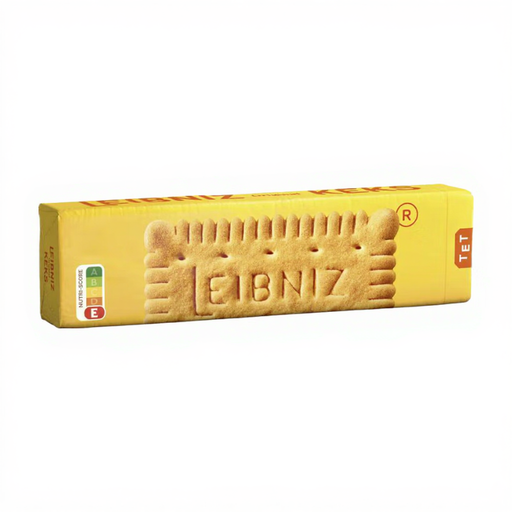 No image available
If your biscuit-base recipe calls for butter biscuits, compare this 200-g pack with the quantity you need.
If you want to enjoy the biscuits individually, check the quantity and inner packaging. If you have specific ingredient requirements, read the information on the actual pack.
 No image available
If you’re considering a butter biscuit with a different sugar claim for your recipe, compare this 150-g pack using the nutritional information per 100 g.
Check how much you need for the recipe, as well as the quantity and inner packaging if you want individual portions.
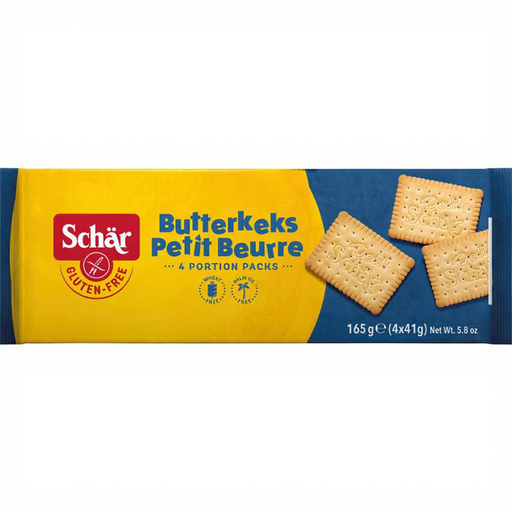 No image available
If you’re looking for butter biscuits labelled gluten-free for a dessert, you can check how this Petit Beurre variety fits your recipe.
The pack contains 165 g. Check the specific product for other ingredient requirements, as well as the quantity and inner packaging.
Yes, butter biscuits can be used as the base. EDEKA suggests crushing the biscuits and mixing them with melted butter. The quantity and any further preparation will depend on the recipe.
No. The description “2 × 200 g in separate packs” for EDEKA’s GUT&GÜNSTIG Butter Biscuits means there are two smaller packs. For individual biscuit portions, check the quantity and packaging format stated for the specific product.
Read the ingredients list and allergen information on the specific pack rather than assuming what it contains from the name “butter biscuit”. Lebensmittelklarheit distinguishes between information about allergens used as ingredients and warnings about possible traces.
Compare sugar values using the same basis, such as per 100 g, and consider the net weight separately. The total pack weight doesn’t tell you how large an individual inner pack or portion is.
Check the information on the specific pack before choosing based on ingredients, weight or packaging format. EDEKA specifically notes that the product page and packaging for its GUT&GÜNSTIG Butter Biscuits may differ.