Families with a biscuit tin
If several people will be sharing a pack, consider its net weight, best-before date and how quickly you plan to get through it. An airtight tin is a good way to store any biscuits left in an opened pack.


A larger pack could be a good choice for a shared biscuit tin, provided the net weight suits how quickly you’ll get through it and you store the biscuits in a dry place once opened. If you want to take butter biscuits with you, check the format and inner packaging. If you have specific ingredient requirements, always check the label on the exact product rather than relying on the brand or pack size alone.
If several people will be sharing a pack, consider its net weight, best-before date and how quickly you plan to get through it. An airtight tin is a good way to store any biscuits left in an opened pack.
For the school run, commute or office, a handy biscuit format may matter more than a large overall quantity. For example, REWE stocks LEIBNIZ Original Minis in a 150 g pack, but this doesn’t tell you whether the biscuits are individually wrapped.
If you’re comparing wholegrain, sugar or gluten-free claims, check the ingredients, nutrition information and allergen advice on the pack you’ve chosen too. The consumer advice centre points out that this information is important when choosing products.
When choosing butter biscuits for a quick breakfast, first consider whether you need them for a shared biscuit tin, to take with you or to meet a particular ingredient requirement.
| What to consider | What to check | Who it matters to |
|---|---|---|
| Stocking up and storage | Net weight and best-before date, as well as storage instructions for an opened pack. | If several people use the biscuit tin, I want to have enough biscuits in stock without leaving an opened pack unsealed for too long. This need to stock up is likely to be a top priority for around 40% of consumers. |
| Taking biscuits with you | Biscuit size and the actual inner packaging; don’t assume “minis” means individually wrapped portions. | For the journey to school or work, I need a quantity that’s easy to pack. Taking biscuits with them is likely to be a priority for around 30% of consumers. |
| Ingredients and labelling | Ingredient and allergen information; when comparing nutrition, check the figures per 100 g and the portion you’ll actually eat. | If we need to avoid certain ingredients or compare nutritional values in my household, the specific variety needs to meet those requirements. This is likely to be the most important buying criterion for around 30% of consumers. |
The name alone doesn’t tell you how many grams are inside, or whether the pack contains individually wrapped portions or has a resealable closure.
Compare the net weight with how quickly you’ll get through the biscuits, and check the packaging. Store any biscuits left in an opened pack according to the storage instructions.
A variety labelled “less sugar” describes one product feature. For a proper comparison, also check the nutrition information per 100 g and the amount you’ll actually eat.
Read the nutrition table on the specific pack rather than assuming the variety name tells you everything about your breakfast.
Ingredients and “may contain” information can vary between varieties. A “gluten-free” claim also doesn’t tell you whether the product contains other allergens.
Check the ingredients list, allergen information and “may contain” advice on the current pack.
The LEIBNIZ range at REWE includes, among other options, 200 g packs of butter biscuits and wholemeal biscuits, a 150 g pack of butter biscuits with less sugar, and 150 g packs of Original Minis.
Bahlsen makes the LEIBNIZ brand and also produces other types of biscuits.
REWE stocks Alnavit Organic Gluten-Free Butter Biscuits in a 100 g pack.
This selection includes packs for the biscuit tin, as well as varieties that let you compare pack sizes and labelled ingredient features. Before buying, check that the quantity, labelling and packaging of each variety suit the way you plan to use it.
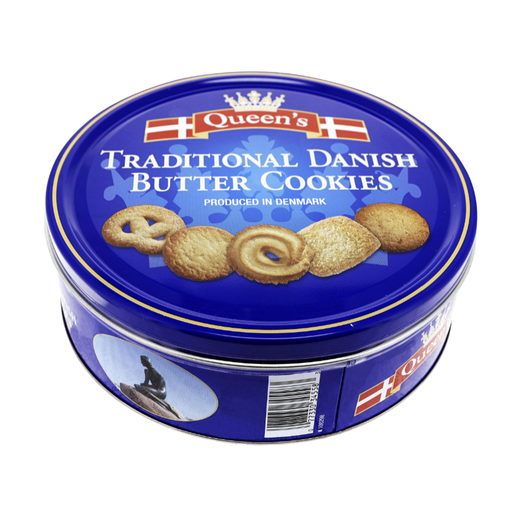 Image unavailable
The 500 g pack could be a good choice for a shared biscuit tin, provided the quantity suits how quickly you’ll get through it.
Check the best-before date, ingredient information and storage instructions for after opening on the pack.
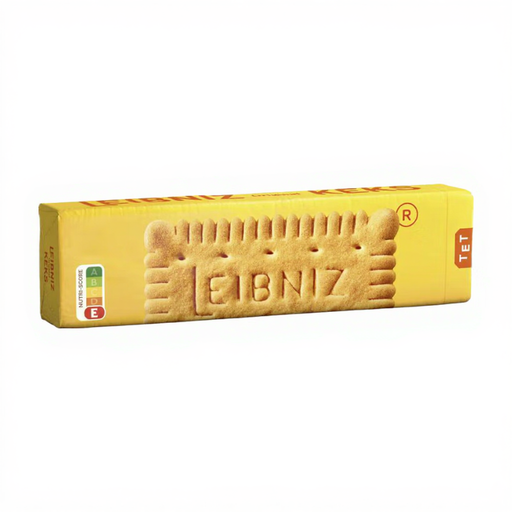 Image unavailable
This classic 200 g variety is a good option if you want to choose a pack with a clearly stated quantity for your biscuit tin.
Whether the pack is enough for several people depends on how quickly you’ll get through it. Follow the storage instructions once opened.
 Image unavailable
This 150 g variety is for anyone who wants to compare the sugar information for different butter biscuits.
The variety name doesn’t replace checking the nutrition information per 100 g and the portion you’ll actually eat.
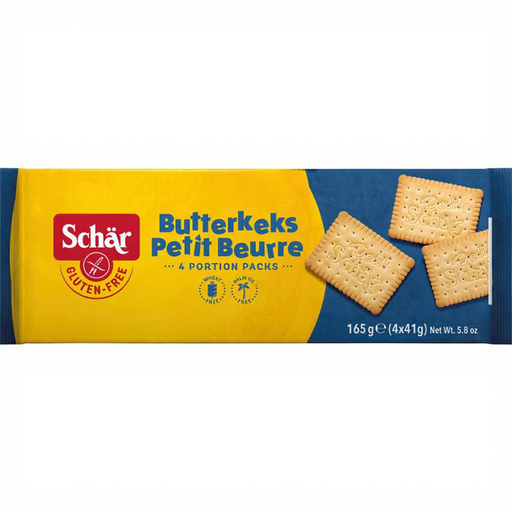 Image unavailable
This 165 g variety, labelled gluten-free, could be a good choice if that specific feature is important to you.
Check the other ingredients and allergen information on the current pack; “gluten-free” doesn’t mean free from all allergens.
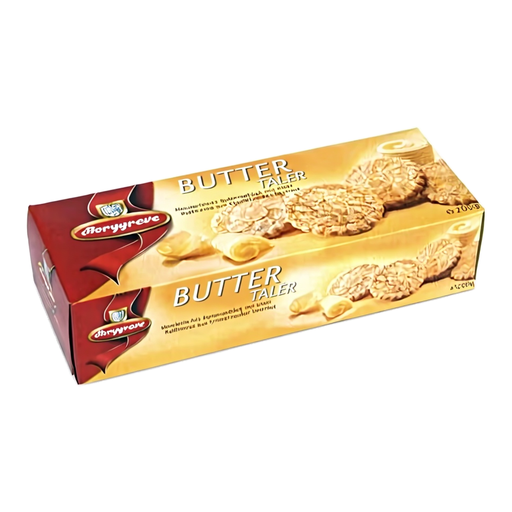 Image unavailable
The 200 g pack gives you a clearly stated quantity for your biscuit tin. Whether it suits your household depends on how quickly you’ll get through it.
Before buying, check the best-before date and the current ingredients and allergen information.
The pack size alone doesn’t make butter biscuits a complete breakfast. The German Nutrition Society describes sugar-sweetened foods in general as usually low in nutrients, so consider more than just the number of biscuits when planning breakfast.
Yes. The information on the specific pack is what matters. The consumer advice centre lists ingredients and allergens as important information on packaged foods, so don’t rely on a similar variety or the same brand logo.
Follow the storage instructions on your chosen pack and keep any biscuits left in an opened pack in a clean, sealed tin. For example, one LEIBNIZ variety stocked at REWE advises storing the biscuits in a dry place and protecting them from heat.
No. A “gluten-free” claim doesn’t automatically apply to other allergens. Check the ingredients list, allergen information and “may contain” advice for the specific variety separately.