Who is this choice relevant to?

People who exercise and keep an eye on carbohydrates

You want to know how a biscuit might work as a small post-workout snack, without treating the nutritional information on a packet as a one-size-fits-all serving suggestion. The German Nutrition Society notes that the right amount of carbohydrate also depends on your body weight and activity level.

Shoppers interested in comparing nutritional values

You’re considering a Digestive for its wholegrain content or fibre and want to compare its sugar and fat content with a classic butter biscuit on the same basis.

Shoppers looking for gluten-free options

You need a product explicitly labelled gluten-free and also want to check its ingredients, other allergens and any ‘may contain’ information on the packet.

What should you look for when buying?

First decide what matters most to you: a snack to fit around your workout, comparing nutritional values or a specific product label. Comparing products per 100 g makes it easier to spot differences, but it won’t tell you what serving size is right for everyone.

What to considerWhat to checkWho it matters to
Carbohydrates and portion size Compare the carbohydrate content per 100 g and consider whether the biscuit is meant to be just a small addition to your meal. If I want a biscuit after a more strenuous workout, the amount needs to fit in with the rest of my meal. This workout-related consideration would be the main buying priority for around 46% of shoppers.
Sugar, fat and fibre Compare these nutritional values per 100 g for the specific products, rather than choosing on the word ‘Digestive’ alone. I want to know what nutritional differences to expect when switching from a butter biscuit to a Digestive. Around 36% of shoppers would put this comparison first.
Gluten and other allergens Check the current labelling for gluten, other relevant ingredients and possible traces. If I need to buy gluten-free, the product name isn’t enough; other allergens can matter too. This requirement would be the main priority for around 18% of shoppers.

Common pitfalls when choosing

  • Assuming ‘Digestive’ automatically means a better nutritional profile

    The McVitie’s Digestive The Original listed by REWE contains less sugar and more fibre per 100 g than the Leibniz Butterkeks listed there, but it also contains 21.3 g of fat compared with 12 g. These differences apply to these specific products, not to every variety of either type of biscuit.

    Compare sugar, fat, saturated fat, fibre and carbohydrates on the same basis, then choose according to what matters most to you.

  • Relying on biscuits as a complete post-workout snack

    You can’t work out what you need after every type of workout from a serving of biscuits alone. According to the German Nutrition Society, the amount of carbohydrate you need depends on factors including your body weight and level of physical activity.

    Think about how the biscuit fits into your overall meal and what other food and drink you plan to have with it.

  • Assuming gluten-free means free from all allergens

    The Schär Landtaler Digestive listed by REWE is labelled gluten-free, but contains soya and may contain traces of lupin and egg.

    If you have specific dietary requirements, read the full ingredients list, highlighted allergens and ‘may contain’ information on the current packet.

  • Assuming online information matches the packet

    EDEKA notes that the product information for its listed butter biscuit may differ from what’s on the packaging.

    Use online information to help you shortlist products, then check the ingredients, nutritional values and allergens on the product you actually buy.

Brands to consider

Leibniz (Bahlsen)

The classic Leibniz Butterkeks makes a useful comparison if you want to look at the nutritional values of butter biscuits and Digestives side by side.

  • For the Leibniz Butterkeks listed by REWE, the figures per 100 g are 72 g of carbohydrates, 12 g of fat and 21 g of sugar.
  • The variety reviewed contains wheat, butter, milk ingredients and egg. Check the current packet if you have specific dietary requirements.

McVitie’s

The Digestive The Original reviewed here is an option for directly comparing wholegrain content, fibre, sugar and fat.

  • REWE lists 16% wholemeal wheat flour for this variety, along with 3.7 g of fibre and 15.1 g of sugar per 100 g.
  • It also contains 21.3 g of fat per 100 g. The variety contains wheat and may contain milk.

Schär

The Landtaler Digestive reviewed here may be worth considering if you need a Digestive variety explicitly labelled gluten-free and lactose-free.

  • The product listed by REWE is labelled gluten-free, wheat-free and lactose-free.
  • It contains soya and may contain traces of lupin and egg; always check the current packet before choosing.

GUT&GÜNSTIG (EDEKA)

The butter biscuit reviewed here is another classic option to compare using the information on the packet.

  • For the product reviewed, EDEKA lists 74.7 g of carbohydrates, 11.8 g of fat and 23.5 g of sugar per 100 g.
  • It contains wheat and milk and may contain nuts. EDEKA notes that the information on the packet may differ.

Butter biscuits at Joybuy

These products are classic butter biscuits for comparison. Whether a Digestive or a product labelled gluten-free would be a better fit for your snack depends on the nutritional values and your ingredient requirements.
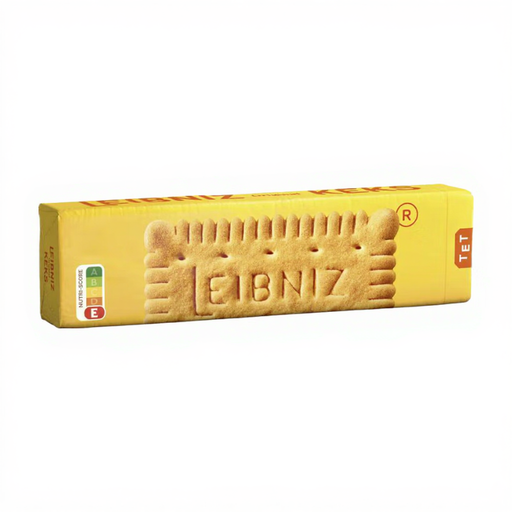
Leibniz Original Butter Biscuits, 200 g pack

Leibniz Original Butter Biscuits, 200 g

A classic butter biscuit option if you want to compare its nutritional information with Digestives as a small post-workout snack. Check the current packet, particularly the values per 100 g and any ingredients relevant to you.

View at Joybuy

Leibniz 30% Less Sugar Butter Biscuits, 150 g pack

Leibniz 30% Less Sugar Butter Biscuits, 150 g

Another butter biscuit option for shoppers who are particularly mindful of sugar. Compare the sugar per 100 g on the current packet with the specific Digestive you’re considering; the product name alone doesn’t tell you how they measure up.

View at Joybuy

Frequently asked questions

Is a Digestive automatically a better choice after a workout?

No, the name alone doesn’t tell you that. In the products listed by REWE, McVitie’s Digestive The Original contains less sugar and more fibre per 100 g than Leibniz Butterkeks, but also more fat. Decide which of these values matters most for your particular snack.

How many biscuits should you have after a workout?

The nutritional information won’t tell you how many biscuits are right for everyone. According to the German Nutrition Society, the amount of carbohydrate you need depends on factors including your body weight and level of physical activity. Use the information on the packet to work out how a serving fits into your overall meal.

Are gluten-free Digestives free from other allergens too?

Not necessarily. The Schär Landtaler Digestive listed by REWE is labelled gluten-free, but contains soya and may contain traces of lupin and egg. If you have allergies, check all the information on the current packet.

Which information on the packet helps you compare biscuits?

Compare nutritional values on the same basis, such as per 100 g, and read the ingredients list and allergen information. The German consumer advice centre lists ingredients and allergens as important information on packaged foods; when choosing, always rely on the labelling of the specific packet.