When choosing butter biscuits for a baking project with children, start by considering how many you need and what you’ll be doing with them. A 400 g pack could suit a larger group project, while a 200 g pack is easier to plan for a smaller one. Minis work well for small decorations, but they’re no substitute for larger biscuits that need icing or laying out. Check the ingredients, allergens and sugar information on the pack you buy, whichever variety you choose.
Which pack is right for you?
Families planning a larger baking project
If several children are baking with you, or you need lots of biscuits for a cake, it’s worth working out how many you’ll need for the recipe before you shop. ALDI SÜD sells BISCOTTO butter biscuits in a 400 g pack, but notes that availability is limited.
Families who want to decorate biscuits
For icing and sprinkles, the shape of the biscuit matters just as much as the quantity. A REWE cake recipe uses whole butter biscuits for icing and layering; smaller biscuits aren’t an easy substitute for this step.
Families keeping an eye on ingredients and portions
If you need to take allergens or sugar information into account, check the specific variety. EDEKA24 lists ingredients including wheat flour, butter and a whey product for LEIBNIZ Minis. For portion planning, the Verbraucherzentrale recommends not making sweets and snacks available to children without limits.
What should you look for when buying?
First, work out how many biscuits the recipe needs and whether they need to stay whole. Then check the ingredients, allergen and sugar information for the specific pack.
| What to consider |
What to check when buying |
Who should pay particular attention |
| Quantity for your project |
Compare the net weight in grams with the recipe quantity and the number of children baking with you. If buying a special offer, factor in availability. |
If several children are baking with me, I want to make sure I have enough biscuits for the recipe rather than relying on the words ‘family pack’. For around 42% of consumers, the quantity needed for the project comes first. |
| Biscuit shape |
Check whether the recipe calls for whole biscuits to be iced or laid out, or whether smaller decorative pieces will work. |
If children are decorating individual biscuits, I need a shape that suits the activity. Biscuit shape is the main concern for around 33% of consumers. |
| Ingredients and portions |
Check the ingredients list, highlighted allergens and sugar per 100 g on the pack, and consider how many you’ll serve. |
If I need to account for allergens while baking together or manage portions of sweets, the labelling matters more than pack size. Around 25% of consumers put this first. |
Avoid common buying mistakes
-
Assuming a large pack means a suitable portion for each child
A larger pack makes it easier to plan quantities for a group, but it doesn’t determine how much each child should eat. The Verbraucherzentrale recommends serving children sweets and snacks in portions.
Work out how many biscuits you need for the recipe separately from how many you’d like to offer as a snack afterwards.
-
Assuming special-offer packs always have the same details
ALDI SÜD notes that the 400 g BISCOTTO butter biscuit has limited availability and that details may vary between suppliers. So check the pack you actually buy for ingredients and nutritional information.
Check the net weight, ingredients, allergens and best-before date in store. If your baking project is planned for a particular date, have an alternative pack in mind.
-
Swapping larger biscuits for Minis without checking the recipe
Small biscuits can be awkward to use for a continuous cake layer or a surface that needs icing. For example, one REWE recipe uses whole butter biscuits laid closely together.
Before you buy, check whether the recipe specifies a particular number and shape, or whether small biscuits or crumbs will work too.
-
Treating ‘30% less sugar’ as the whole story
A relative reduction in sugar doesn’t tell you how much sugar the product contains per 100 g. The Verbraucherzentrale makes this point too.
Compare the sugar figures per 100 g on the packs and consider the portion you plan to serve.
Brands to help you choose
The following brands and product ranges offer different pack sizes and varieties. For your baking project, focus on the details of the specific product, not just the brand name.
LEIBNIZ
EDEKA24 stocks 200 g packs of LEIBNIZ butter biscuits, 150 g packs of Minis and a 150 g variety labelled ‘30% less sugar’.
- These varieties give you a choice of pack size and biscuit format.
- The claim ‘30% less sugar’ is no substitute for comparing sugar levels per 100 g. The LEIBNIZ Minis listed by EDEKA24 include ingredients such as wheat flour, butter and a whey product.
BISCOTTO bei ALDI SÜD
ALDI SÜD sells BISCOTTO butter biscuits in a 400 g pack. The quantity can be a useful comparison when planning a larger project.
- You can compare the stated net weight with the amount your recipe needs.
- ALDI SÜD notes that availability is limited and details may vary between suppliers. So check the information on the pack in store.
Bahlsen
Bahlsen includes LEIBNIZ Minis in its German overview of the biscuit range. For choosing a particular pack of butter biscuits, the details of the specific LEIBNIZ variety are more useful.
- The manufacturer’s overview helps you see where LEIBNIZ Minis fit within the biscuit range.
- The overview doesn’t tell you whether every Bahlsen variety will suit a particular recipe or someone with allergies.
Biscuits for baking projects at Joybuy
This selection includes butter biscuits in different pack sizes and formats, as well as Danish Butter Cookies. Before choosing a pack by weight, check that the biscuit type and shape suit your recipe.
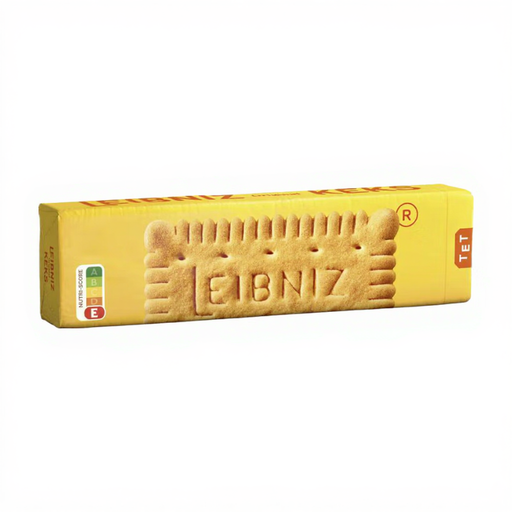 No image available
LEIBNIZ Original Butter Biscuits, 200 g
For a smaller baking project using classic butter biscuits. The pack contains 200 g; if you’re planning a decorated surface, check the biscuit size your recipe needs.
View at Joybuy
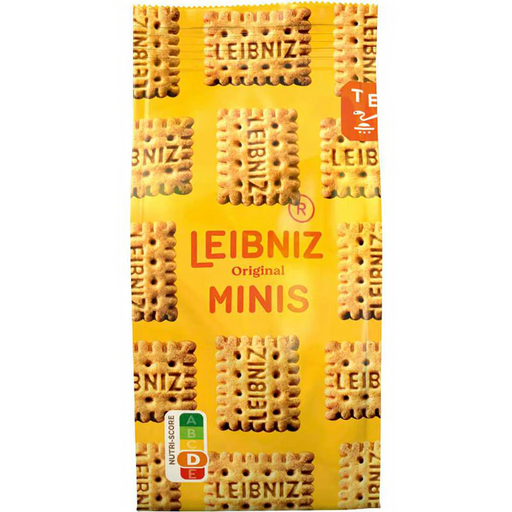 No image available
LEIBNIZ Minis Original Butter Biscuits, 150 g
The mini format could work for small decorations or as a snack. The pack contains 150 g; if your recipe calls for larger biscuits to be iced, choose a different format.
View at Joybuy
 No image available
LEIBNIZ Butter Biscuits, 30% Less Sugar, 150 g
A 150 g pack for a smaller project, if you want to compare sugar information across products. ‘30% less sugar’ is a relative claim; check the sugar content per 100 g on the pack too.
View at Joybuy
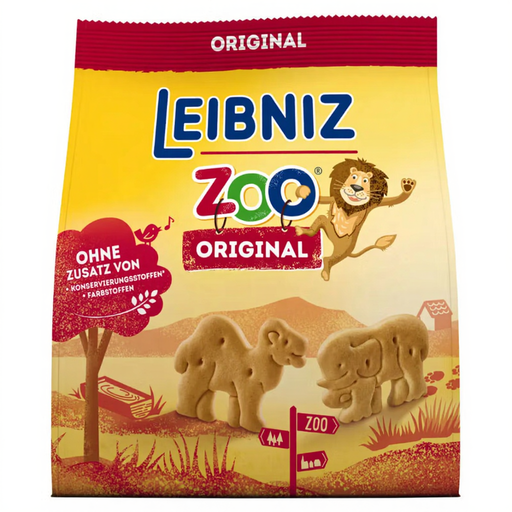 No image available
LEIBNIZ Zoo Original Butter Biscuits, 125 g
A smaller pack for a project that doesn’t need lots of biscuits. It contains 125 g; check that the shape and size suit your recipe for decorating or layering.
View at Joybuy
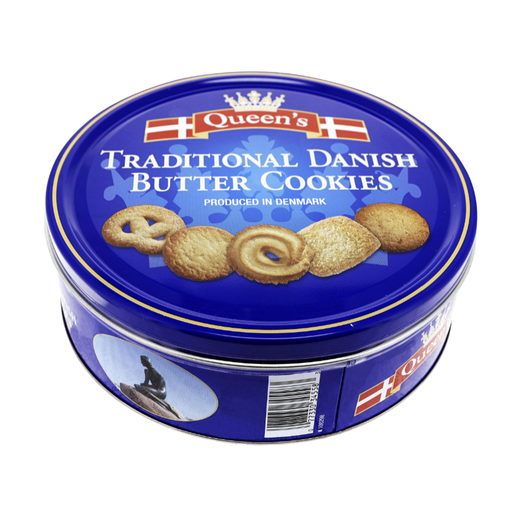 No image available
Queen's Danish Butter Cookies, 500 g
The 500 g pack could suit a larger project using Danish Butter Cookies. If your recipe calls for a particular butter biscuit shape, check the individual biscuits before swapping them in.
View at Joybuy
Frequently asked questions
How many butter biscuits do I need for a group decorating project?
Work out the quantity based on the recipe and the number of children baking with you, rather than relying on the words ‘family pack’. For example, a REWE cake recipe uses 36 butter biscuits for icing and layering; the pack weight alone won’t tell you how many biscuits it contains.
Can I buy butter biscuits if a child needs to avoid wheat or milk?
Only choose a pack once you’ve checked its current ingredients and allergen information. EDEKA24 lists wheat flour, butter and a whey product for LEIBNIZ Minis; information about one variety doesn’t necessarily apply to other butter biscuits.
Is a variety labelled ‘30% less sugar’ automatically the better choice?
No. The relative claim alone doesn’t tell you how much sugar the product contains. The Verbraucherzentrale points out that a product with 30% less sugar can still contain a lot of sugar, so compare the figures per 100 g and consider the portion size.
Where can I find allergen information for a pack of butter biscuits?
Check the ingredients list on the pack, where any allergens present are highlighted. The German government’s lebensmittelwarnung.de portal explains this labelling for pre-packed foods; when choosing, rely on the information for the product you’re actually buying.


