What should you look for when buying?
First decide whether you need plenty of biscuits to share or easy-to-portion biscuits for later. Check the sugar content and ingredients separately, regardless of the pack format.
| What to consider | What to check | Who it matters most to |
|---|
| Quantity to share |
Net weight in g and the number of individually wrapped inner packs. |
For a coffee gathering, I want enough biscuits to serve everyone without mistaking one large pack for a multipack. Around 46% of consumers would put the quantity available to share first. |
| Lunchboxes and portions |
Biscuit size and shape, plus the pack’s closure or individual portions. |
If there are biscuits left after Mother’s Day, I want to be able to take out the right amount for lunchboxes. For around 36% of consumers, being able to portion biscuits for later would be the main priority. |
| Sugar and ingredients |
Sugar in g per 100 g, plus the ingredients list and allergen information. |
When comparing different recipes, or if I need to avoid certain ingredients, I check the details for each variety separately. This would be the priority for around 18% of consumers. |
Butter biscuits at Joybuy
These products come in different pack sizes and biscuit formats for Mother’s Day coffee and possibly enjoying later, too. Check the details for each variety to see whether it contains separate inner portions.
 No image available
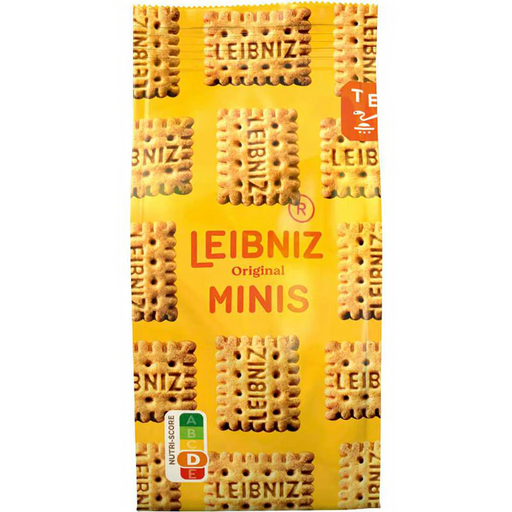
LEIBNIZ Minis Original butter biscuits 150 g
The mini format may suit you if biscuit size is important for lunchboxes later. The pack contains 150 g; check the inner packaging details if you’re looking for individually wrapped portions.
View at Joybuy
 No image available
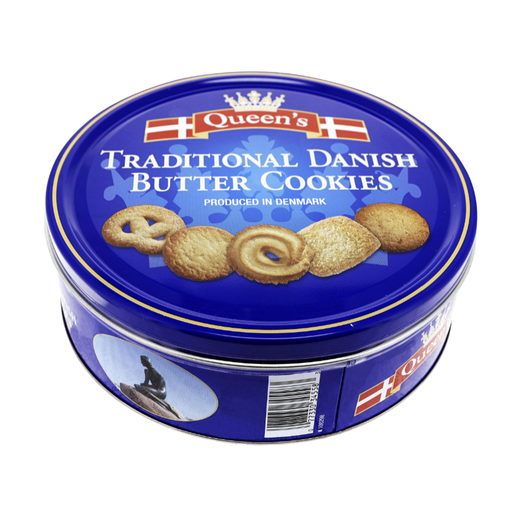
Queen's Danish Butter Cookies 500 g
The 500 g pack is an option if you need plenty to share at a larger coffee gathering. Check the packaging to see whether the biscuits can be taken out and stored separately after opening.
View at Joybuy
 No image available
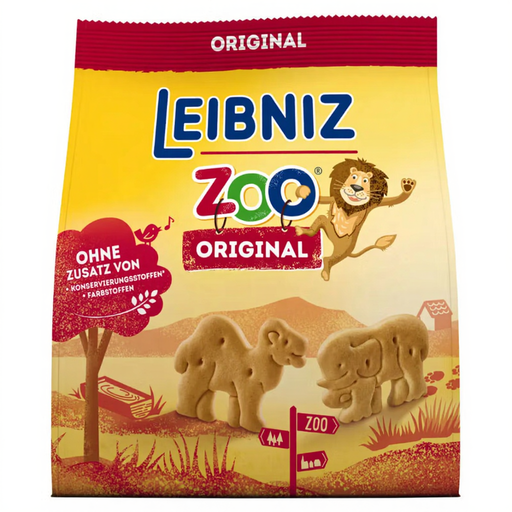
LEIBNIZ Zoo Original butter biscuits 125 g
The 125 g pack may suit you if you’re after a smaller quantity rather than a supply to share. Check the biscuit size for your lunchbox and the pack’s inner packaging separately.
View at Joybuy
 No image available
LEIBNIZ butter biscuits with 30% less sugar 150 g
If you’re comparing sugar content with classic LEIBNIZ butter biscuits, REWE lists 12 g of sugar per 100 g for this 150 g variety, compared with 21 g per 100 g for the classic 200 g product. According to REWE, this variety still contains wheat, butter and egg, among other things. Check the ingredients list if you have specific dietary requirements.
View at Joybuy
 No image available
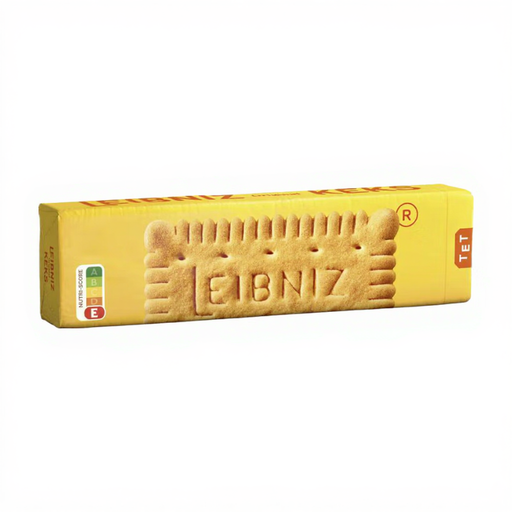
LEIBNIZ Original butter biscuits 200 g
The classic 200 g pack may be a good choice for a smaller coffee gathering. If you’d like to save some for lunchboxes after opening, check how the biscuits are arranged inside and follow the storage instructions.
View at Joybuy
Frequently asked questions
Is a large pack of butter biscuits automatically a multipack?
No. The net weight tells you only the total contents. If you’d like to keep portions separate for lunchboxes later, check how many inner portions there are and how they’re packaged.
Are reduced-sugar butter biscuits suitable for people with allergies?
A lower sugar content doesn’t tell you whether a product is suitable for someone with an allergy. According to its ingredients list, the reduced-sugar LEIBNIZ variety listed by REWE contains wheat, butter and egg, among other things. If you have a relevant allergy, check the labelling on the specific pack.
How should I store butter biscuits for lunchboxes later?
Follow the storage instructions on the specific pack, and check how to keep the biscuits protected once it’s opened. The storage advice for the classic LEIBNIZ butter biscuits listed by REWE is to store them in a dry place and protect them from heat. According to Lebensmittelverband Deutschland, the best-before date applies to unopened products stored appropriately.
Where can I find information about allergenic ingredients?
Read the ingredients list on the specific pack of butter biscuits. Lebensmittelverband Deutschland explains that the 14 most common causes of food allergies and intolerances must be labelled there. The product name alone isn’t a substitute for checking.


