For frequent top-ups
If the office biscuit tin often runs empty, a clearly labelled 400 g pack makes it easier to plan your supplies. REWE, EDEKA and ALDI SÜD list examples of butter biscuits on their product pages.


If the office biscuit tin is topped up regularly, 400 g packs are a sensible starting point. Two separately wrapped 200 g portions are especially handy if you only want to fill the tin with some of the biscuits at first. If they’re eaten less often, a smaller pack may be enough. For a shared tin, check the ingredients, allergen information and storage instructions on the pack you buy.
If the office biscuit tin often runs empty, a clearly labelled 400 g pack makes it easier to plan your supplies. REWE, EDEKA and ALDI SÜD list examples of butter biscuits on their product pages.
If you only fill the tin with some of the biscuits at first, you can keep the rest of a separately wrapped pack sealed. EDEKA lists GUT&GÜNSTIG butter biscuits as two 200 g portions.
When everyone has access to the same biscuit tin, it’s important to check the ingredients and allergen information on the specific pack. The German Food Federation points to the ingredients list as a key source of allergen information.
When choosing biscuits for the office tin, start by considering how quickly they’ll be eaten and how the pack is divided. Whatever the variety, check the label before adding the biscuits to a shared tin.
| Criteria | What to check when buying | Who it matters most to |
|---|---|---|
| Quantity | Compare the pack weight with how often you expect to top up the tin. | If I refill the tin often, I don’t want to open a new pack every time. Stocking up would be the top priority for around 42% of consumers. |
| Portioning | Check whether the pack contains separately wrapped portions and read the storage instructions. | If how quickly the biscuits are eaten varies, I want to add only as many as the team is likely to eat soon. Topping up in portions would be the main concern for around 33% of consumers. |
| Ingredients and allergens | Read the ingredients list, check which allergens are highlighted and look for any ‘may contain’ warnings on the specific pack. | If several people share the same tin, I need to know what the biscuits contain. Around 25% of consumers would put this check first. |
EDEKA describes the spelt butter biscuits it lists as containing spelt, a type of wheat, and includes gluten-containing cereals in the allergen information.
If you need a gluten-free option, check that the specific product is explicitly labelled as such and read its ingredients list. The word ‘spelt’ alone isn’t enough.
Details on a product page may differ from those on the pack you actually buy; EDEKA specifically points this out.
Before filling a shared tin, check the pack for ingredients, allergens, possible traces, the best-before date and storage instructions.
An open biscuit tin doesn’t offer the same storage conditions as a sealed original pack. REWE advises storing LEIBNIZ Original in a dry place away from heat.
Only fill the tin with an amount that’s likely to be eaten soon. Store the rest as instructed on the pack, and keep the shared tin clean.
The Original butter biscuits pack listed by REWE contains 200 g, making it a smaller option for the office biscuit tin.
REWE lists ja! butter biscuits in a 400 g pack containing 13% butter.
EDEKA lists butter biscuits in a 400 g pack, divided into two separately wrapped 200 g portions.
ALDI SÜD lists BISCOTTO butter biscuits in a 400 g pack.
The butter biscuit variety described by Lidl Germany comes in a 250 g pack, making it a smaller alternative to the 400 g formats listed here.
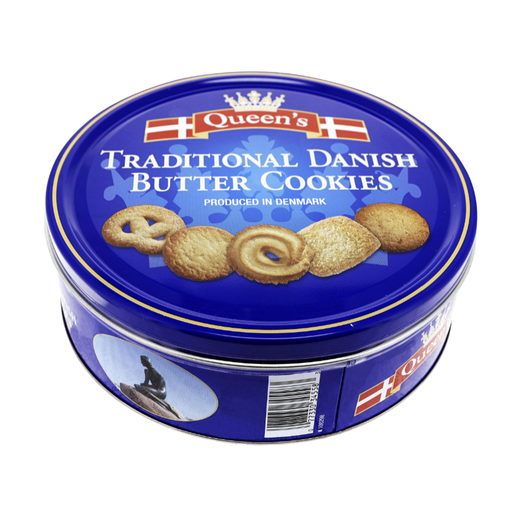
For stocking up, this selection includes a 500 g tin of Danish butter cookies alongside two smaller packs of butter biscuits. Danish butter cookies and classic butter biscuits are different types of product, so compare more than just the weight: consider which kind you’d like.
 No image available
The 500 g tin may suit an office biscuit tin that’s topped up regularly, if you’d prefer Danish butter cookies to classic butter biscuits. Before sharing them, check the ingredients and allergen information on the pack.
 No image available
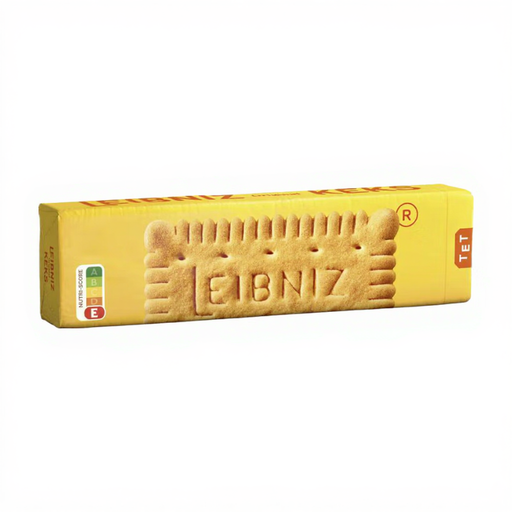
The 200 g pack may suit you if you want classic butter biscuits and only top up the tin occasionally. It gives you less to keep in stock than the 400 g packs mentioned here, so if the biscuits will be shared, check the allergen information on the pack you buy.
 No image available
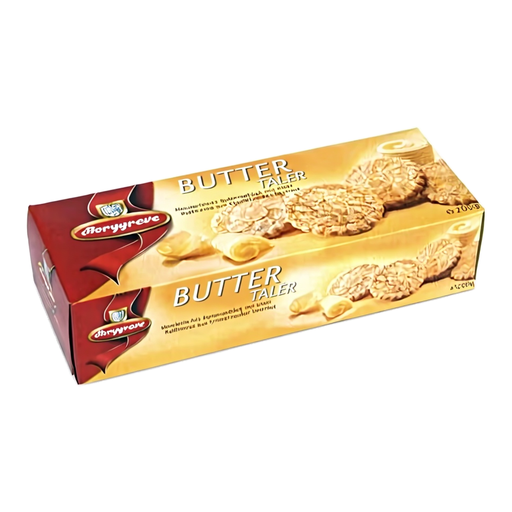
This 200 g pack is better suited to sharing occasionally than to a tin that needs frequent top-ups. Follow the storage instructions for any biscuits left in the pack, and check the ingredients and allergen information before adding them to a shared tin.
If the biscuits are eaten regularly, 400 g is a sensible starting point; if they’re eaten less often, a smaller pack may be enough. If you don’t want to put everything in the tin at once, the GUT&GÜNSTIG butter biscuits listed by EDEKA come in a 400 g pack containing two separately wrapped 200 g portions.
No. If the tin is shared, everyone should know the ingredients and allergens in the specific pack. The butter biscuit examples listed by REWE and EDEKA contain wheat and milk ingredients; REWE also lists whole egg powder in LEIBNIZ Original. ‘May contain’ warnings can vary from product to product too.
The word ‘spelt’ doesn’t mean gluten-free. EDEKA describes the spelt in the butter biscuits it lists as a type of wheat, and includes gluten-containing cereals in the allergen information. If you need a gluten-free option, check that the pack you buy is explicitly labelled as such.
Follow the storage instructions on the relevant pack, and keep any separately wrapped portions sealed until you need to top up the tin. REWE advises storing LEIBNIZ Original in a dry place away from heat. The German Food Federation says the best-before date applies to unopened products stored appropriately; it isn’t an automatic use-by date.