Groups sharing biscuits at break
If several teenagers are sharing a pack, the total quantity and how easily it can be divided both matter. For example, EDEKA lists GUT&GÜNSTIG in a 400 g pack split into two individually wrapped 200 g portions.


For groups of teenagers, the 400 g packs described by EDEKA, REWE and ALDI SÜD offer more to share than the 150 g and 200 g options considered here. GUT&GÜNSTIG also splits its 400 g pack into two individually wrapped 200 g portions. Before sharing, however, make sure the ingredients and allergen warnings on the specific pack are suitable for everyone. If you’re looking for wholemeal biscuits or an option with less sugar, compare their nutritional information alongside the pack size.
If several teenagers are sharing a pack, the total quantity and how easily it can be divided both matter. For example, EDEKA lists GUT&GÜNSTIG in a 400 g pack split into two individually wrapped 200 g portions.
Before sharing, check the ingredients and any possible traces for everyone who’ll be eating. The butter biscuits described by EDEKA and REWE contain wheat and milk ingredients, but their other trace warnings differ.
If you want to compare sugar and fibre, pack sizes vary: ALDI SÜD lists BISCOTTO wholemeal at 400 g with 7 g of fibre per 100 g, while REWE lists LEIBNIZ ‘less sugar’ at 150 g with 12 g of sugar per 100 g.
For a school lunch break shared with others, it’s worth checking how much you need and whether the ingredients are suitable for everyone first. You can then compare options using their nutritional information.
| Criteria | What to check when buying | Who it matters most to |
|---|---|---|
| Quantity and portions | Pack weight and, where applicable, individually wrapped portions. | If I’m bringing biscuits for several teenagers, there needs to be enough to go round and they should be easy to divide. This is the main consideration for around 45% of consumers. |
| Ingredients and allergens | The ingredients list, highlighted allergens and product-specific trace warnings on the pack you buy. | Before I open the pack, I need to know whether its ingredients and trace warnings are suitable for the group. Around 33% of consumers put this check first. |
| Sugar and fibre | Nutritional information per 100 g, compared on a like-for-like basis, as well as the pack size of the options being compared. | If I’m choosing between a classic recipe, wholemeal and an option with less sugar, I want to compare the nutritional values without losing sight of how much I need. This is the main concern for around 22% of consumers. |
The classic butter biscuits considered here contain wheat. The product name alone doesn’t tell you whether they’re suitable for anyone who needs gluten-free food.
Before sharing, check the ingredients list and allergen information on the specific pack instead of assuming what it contains from its name.
With a pack shared by a group, trace warnings matter to everyone who wants to eat from it. EDEKA lists possible traces of nuts in GUT&GÜNSTIG; REWE lists possible traces of hazelnuts and other cereal grains, among others, for ja!.
Before opening the pack, check which ingredients or traces are relevant to the group and read the information on the current packaging.
The LEIBNIZ ‘less sugar’ option described by REWE comes in a 150 g pack. The classic and wholemeal packs considered for larger groups contain 400 g.
First decide whether having enough to share or choosing a particular recipe is more important.
EDEKA recommends checking the information on the packaging. ALDI SÜD notes that nutritional information for its classic BISCOTTO option may vary depending on the supplier.
Compare the ingredients, allergens and nutritional information on the pack you’ll actually be sharing.
For smaller quantities, one option is the 150 g ‘less sugar’ butter biscuit sold by REWE.
EDEKA describes a classic butter biscuit in a 400 g pack, split into two individually wrapped 200 g portions.
REWE sells classic ja! butter biscuits in a 400 g pack.
ALDI SÜD describes classic and wholemeal BISCOTTO butter biscuits in 400 g packs.
Lidl sells SONDEY as a brand of biscuits and other small baked treats.
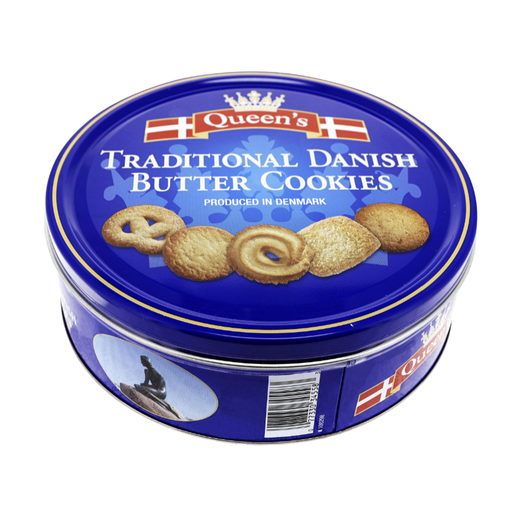
This selection includes a 500 g tin of Danish butter cookies, as well as smaller 150 g or 200 g butter biscuit options. If you’re shopping for a larger group at break, check how much you need and whether the pack is easy to share. Before eating together, always check the ingredients and allergen information on the specific pack.
 No image available
The 500 g pack is an option if you’re bringing biscuits for several people. It comes in a tin rather than a bag; check the ingredients and allergen information on the packaging before sharing.
 No image available
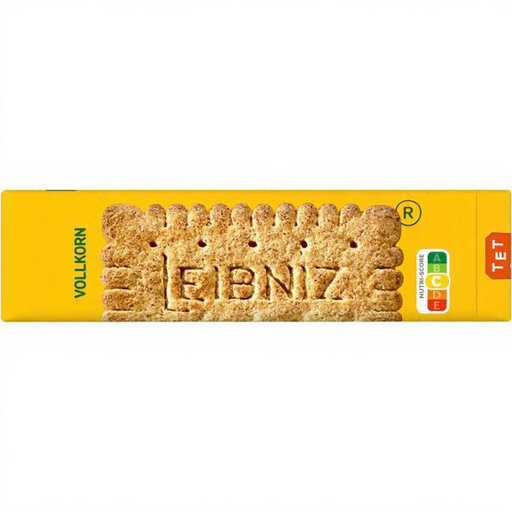
The wholemeal option may suit you if the recipe matters more than having a large pack. At 200 g, it contains less than the 400 g packs described; check the ingredients and allergen information before sharing.
 No image available
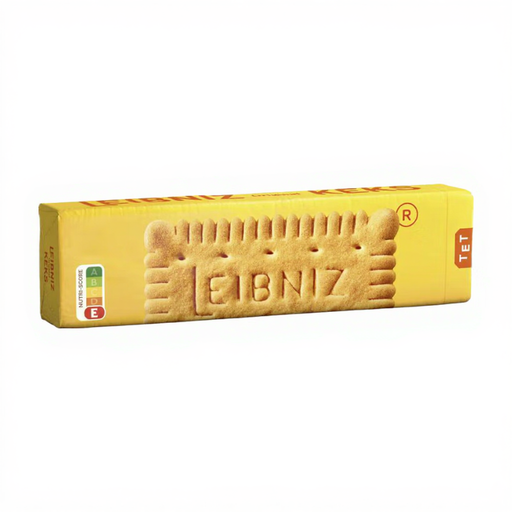
This classic 200 g option may suit you if you’re sharing a smaller quantity. If you’re buying for a larger group, compare the pack weight and check the allergen information on the specific pack before opening it.
 No image available
This option is worth considering if you want to compare sugar content and 150 g is enough for your group. REWE lists 12 g of sugar per 100 g for the corresponding 150 g option; check the nutritional information, ingredients and allergens on the pack you buy.
 No image available
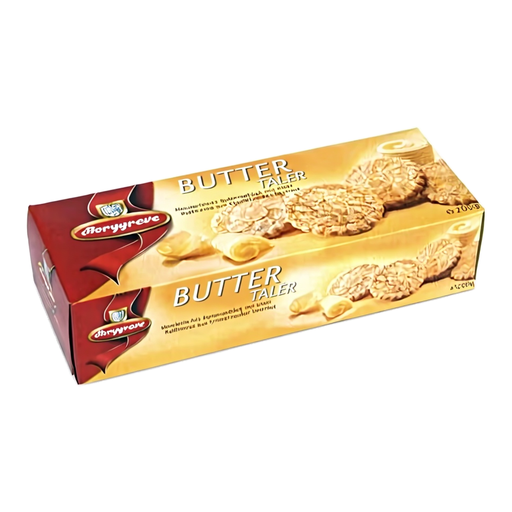
This classic 200 g pack may suit a smaller group. If several teenagers will be sharing, make sure there’s enough and check the ingredients and trace warnings on the pack.
Read the ingredients list and allergen information on the specific pack: any gluten-containing cereal used must be listed as an allergenic ingredient. The Federal Ministry of Agriculture, Food and Home Affairs states that allergen information is a legal requirement; wheat is particularly relevant in the classic butter biscuits considered here.
No. The right amount depends on how many people are sharing and how you plan to divide the pack. EDEKA describes GUT&GÜNSTIG butter biscuits in a 400 g pack split into two individually wrapped 200 g portions; the ingredients and trace warnings still need to be suitable for everyone.
For sharing food, the information on the pack you buy is what matters. EDEKA specifically recommends checking the packaging; ALDI SÜD also notes that nutritional information for the classic BISCOTTO option may vary depending on the supplier.
The LEIBNIZ ‘less sugar’ option described by REWE comes in a 150 g pack, so there’s less to share than in the 400 g packs considered here. If sugar content matters to your choice, compare the amount per 100 g and also check whether the pack is large enough for your group.