Hosts serving tea
If everyone is having the same biscuit, a classic pack is easy to serve on a plate or in a bowl. For this choice, the quantity matters more than having particularly small biscuits.


For a tea gathering where everyone shares a pack, a classic 200 g pack of butter biscuits could be a good choice. Minis are an option if smaller biscuits are easier to portion out for lunchboxes or snack bowls – but that doesn’t automatically mean they’re individually wrapped. If sugar content is your priority, compare the nutritional information per 100 g and check the ingredients, allergens and pack weight too.
If everyone is having the same biscuit, a classic pack is easy to serve on a plate or in a bowl. For this choice, the quantity matters more than having particularly small biscuits.
Smaller biscuits are easy to portion out by number into snack tubs. If you need individually wrapped portions, check the packaging carefully: “Minis” doesn’t tell you whether they’re individually wrapped.
If you’re using sugar content to help you choose, compare the nutritional information per 100 g. Ingredients, allergen information and pack weight should also inform your decision; a lower sugar figure doesn’t replace these checks.
First, decide whether you’ll mainly be serving the biscuits to share, portioning them out in small amounts or choosing them based on their nutritional information. Pack size alone won’t tell you whether the biscuits are individually wrapped inside.
| What to consider | What to check when buying | Who it matters to |
|---|---|---|
| Quantity for sharing | Compare the pack weight with the number of people you expect to share it; if needed, check the storage instructions for an opened pack. | When several people are sharing a pack at the tea table, I want to have enough biscuits to serve. Around 40% of consumers prioritise this. |
| Biscuit size for lunchboxes | Check the size of the biscuits and whether they’re individually wrapped inside; “Minis” alone doesn’t mean they’re individually wrapped. | For a lunchbox, I want to be able to count out a few small biscuits without breaking up larger ones. Around 40% of consumers prioritise this flexible portioning. |
| Sugar and ingredients | Compare the sugar content per 100 g, along with the ingredients list and allergen information for the specific variety. | When comparing varieties by sugar content, I also want to know what ingredients they contain. Around 20% of consumers prioritise this. |
There can be significant differences even within one brand: REWE lists 21 g of sugar per 100 g for Leibniz Butterkeks 200 g, and 12 g per 100 g for Leibniz Butterkeks weniger Zucker 150 g. These figures apply to these two varieties, not to all butter biscuits or pack sizes.
The smaller biscuit size can make it easier to count out biscuits for snack bowls and lunchboxes. Whether the pack contains separate inner bags is a different matter.
If you need individually wrapped portions, check the packaging description and product images for the specific pack.
A lower sugar content doesn’t tell you whether a variety contains particular allergens. The Leibniz variety with less sugar listed by REWE still contains wheat, butter, milk ingredients and egg.
If you have specific requirements, check the ingredients list, highlighted allergens and any precautionary allergen statements on the pack you’re actually buying.
These examples can help you compare specific types of biscuits and pack formats. The brand alone doesn’t determine the ingredients in a particular variety or how it’s packaged inside.
REWE lists several varieties, including classic butter biscuits in a 200 g pack, Original Minis in a 150 g pack and a variety with less sugar in a 150 g pack.
Alongside LEIBNIZ, Bahlsen’s range includes various lines of biscuits, wafers and other baked treats.
EDEKA24 sells Coppenrath Butter Cookies, a crumbly butter biscuit, in a 200 g pack.
This selection includes mini butter biscuits for smaller portions, alongside 200 g and 500 g packs for serving. Butter spritz biscuits, shortbread biscuits and Danish butter cookies are different types of biscuits from classic butter biscuits, so choose according to the style and pack size you want.
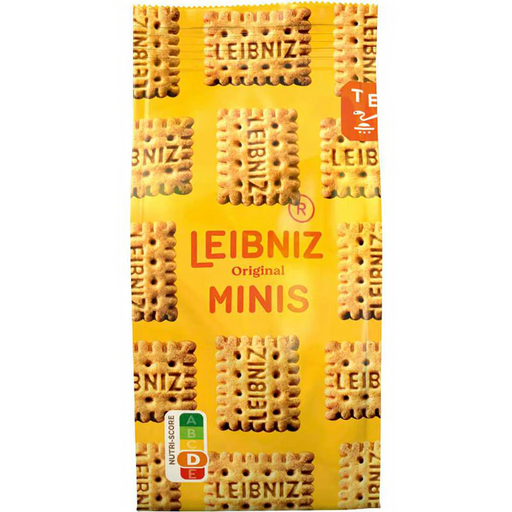 Image unavailable
The small biscuit size could be a good choice if you want to count out biscuits for lunchboxes or snack bowls.
The pack contains 150 g. If separate portion bags are important to you, check the inner packaging before buying.
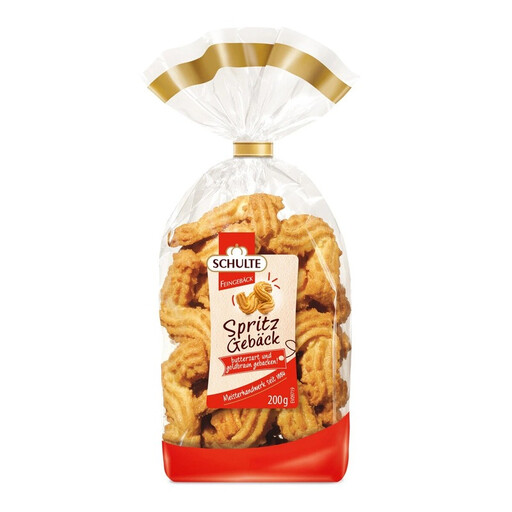 Image unavailable
For tea time when you’d like to serve butter spritz biscuits instead of classic butter biscuits.
Pack weight: 200 g. Compare the type of biscuit and its ingredients with other varieties rather than choosing by weight alone.
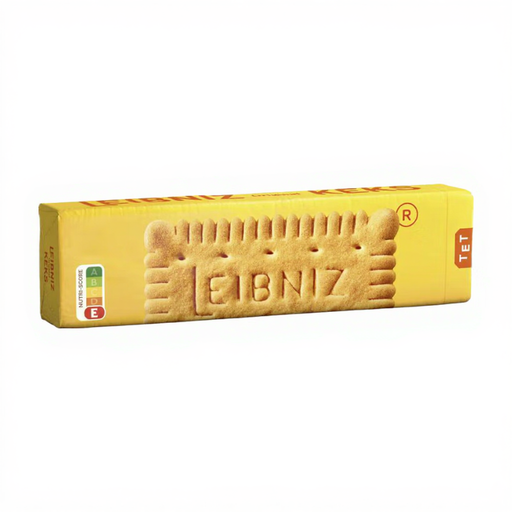 Image unavailable
A classic butter biscuit for sharing from one pack.
Pack weight: 200 g. If you want to pack biscuits separately for several lunchboxes, check how the pack is divided inside too.
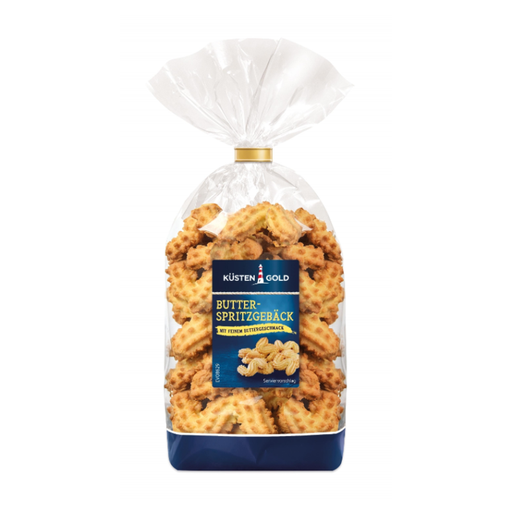 Image unavailable
An option for the tea table if you fancy shortbread biscuits instead of classic butter biscuits.
Pack weight: 200 g. Bear in mind that these are a different type of biscuit when comparing ingredients and nutritional information.
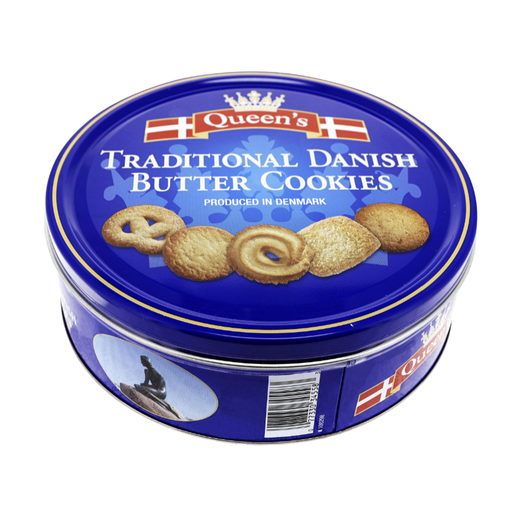 Image unavailable
The 500 g pack could be a good choice if you’d like a larger quantity of Danish butter cookies to serve and share.
This is a different type of biscuit from classic butter biscuits. If needed, check the ingredients and how the biscuits are packed inside.
Not necessarily: “Mini” initially describes the size of the biscuit. If you need separate bags for lunchboxes, check the packaging description and product images for the specific variety.
No. REWE still lists 12 g of sugar per 100 g for Leibniz Butterkeks weniger Zucker 150 g. Check the figure in the nutritional information on the specific pack.
Check the ingredients list and highlighted allergen information on the specific pack, and look out for any precautionary allergen statements too. Varieties with similar names may have different ingredients and warnings.
Follow the storage instructions on the pack. The Leibniz varieties listed by REWE should be stored in a dry place, away from heat. Once opened, sealing the pack properly is also important for keeping them fresh.