Households sharing a biscuit stash
If several people regularly eat butter biscuits, a practical total quantity matters more than having lots of smaller packs. Before you buy, it’s worth thinking about how quickly you’ll get through an opened pack.


A larger pack of butter biscuits can work well for a shared household stash that gets used regularly, but the pack size alone doesn’t tell you whether there are individual portions. For lunchboxes, check whether the biscuits are actually wrapped separately. If you need to avoid gluten, the product’s explicit labelling takes priority over pack size; it’s still important to check the ingredients and allergen information.
If several people regularly eat butter biscuits, a practical total quantity matters more than having lots of smaller packs. Before you buy, it’s worth thinking about how quickly you’ll get through an opened pack.
Small biscuits or individually wrapped portions can be handy for school, work or days out. But they’re not the same thing: the size of the biscuit doesn’t tell you how the pack is divided up.
It’s the labelling on the specific butter biscuits that matters. The ingredients and allergen information are also important if, for example, you need to avoid milk or eggs as well.
First decide whether you’ll be sharing the biscuits, taking them along in separate portions or choosing them to avoid certain ingredients. Then compare the pack size and nutritional information per 100 g for the products that meet your needs.
| What to consider | What to check | Who it matters to |
|---|---|---|
| Enough for the week | Check the net weight, storage instructions and best-before date on the specific pack. | If several people will be sharing a pack, I want to buy enough for how much we plan to eat, without having to keep an opened pack for too long. This shared household stash is a priority for around 44% of consumers. |
| Portions for lunchboxes | Look for an explicit statement that the biscuits are individually wrapped, and check the number of units if given. A mini format on its own isn’t enough. | If I’m packing several lunchboxes, I want to be able to pack the biscuits separately rather than taking them out of a shared pack each time. Around 33% of consumers prioritise this. |
| Gluten and other allergens | Read the explicit gluten-free and, where relevant, wheat-free labelling, along with the ingredients list and allergen information for that particular variety. | If I need to avoid gluten, suitable labelling helps me choose; if I have other allergies, I still need to check the ingredients. Around 23% of consumers prioritise avoiding gluten. |
Small biscuits may all be in one shared pack. If you’re filling several lunchboxes, you may still need to wrap them separately yourself.
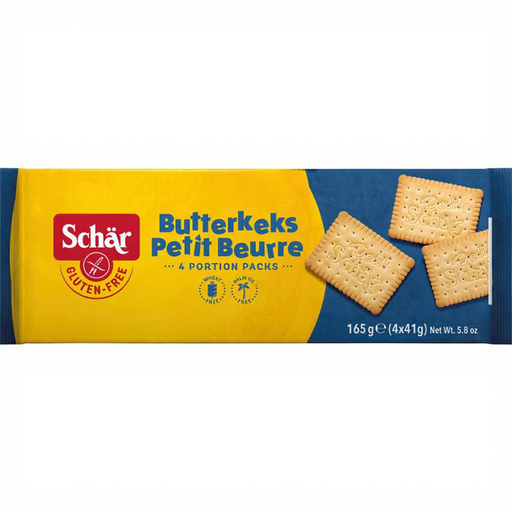
Look for a clear statement such as “individually wrapped” and check how many units are included. EDEKA24 describes the 165 g version of Schär Petit Beurre listed there as having four individually wrapped units. You can’t assume other products are divided up in the same way.
The gluten- and wheat-free Schär Petit Beurre variety described by EDEKA24 also contains butter or milk and egg. Possible traces of soya and lupin are also listed.
Check the ingredients list, highlighted allergens and any precautionary allergen statements on the pack you’re actually buying.
A larger pack is only practical for your weekly shop if your household will get through the biscuits and you can store them properly once opened.
Before putting the pack away, check the best-before date, the condition of the packaging and the storage instructions. Verbraucherzentrale explains that the best-before date applies to unopened food stored correctly.
The ja! variety described by REWE is a classic 400 g pack of butter biscuits for sharing at home.
The varieties listed by EDEKA24 include a 200 g pack of classic butter biscuits and 150 g of minis. This gives you a choice between standard biscuits and a smaller format.
The Petit Beurre described by EDEKA24 is a butter biscuit variety explicitly labelled gluten-free and wheat-free.
These products offer different pack sizes and types of biscuits, for sharing at home or taking along when you’ve planned ahead. Spelt butter biscuits and Danish butter cookies aren’t the same as classic butter biscuits. If you’re buying for lunchboxes, always check how the specific pack is divided up.
 No image available
Worth considering if you’re choosing based on gluten-free labelling; the pack contains 165 g. If you need separate portions to take with you, check how this product is packed, as well as the ingredients and allergen information on the specific pack.
 No image available
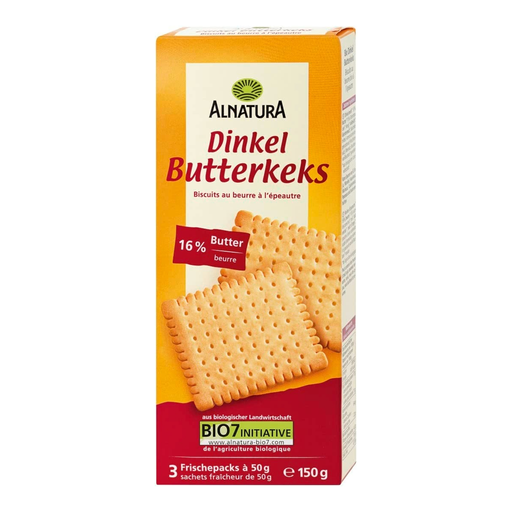
A 150 g option if spelt butter biscuits suit your plans for snacks on the go. Check before buying whether, and how, this pack is divided into separate portions. Spelt is not a gluten-free alternative.
 No image available
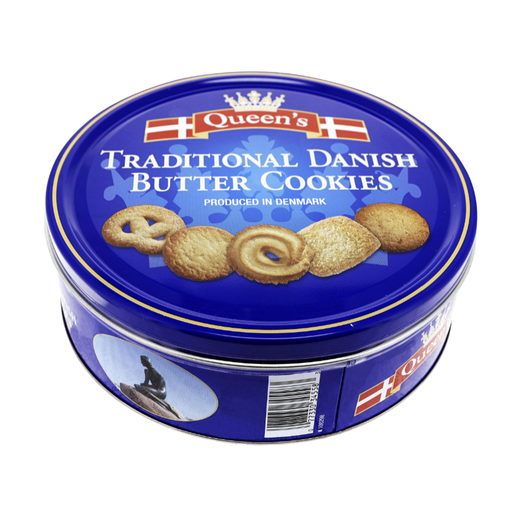
The 500 g pack may suit households planning to share it among several people. Danish butter cookies are a different type of biscuit from classic butter biscuits, and the pack size alone doesn’t tell you whether there are individual portions.
 No image available
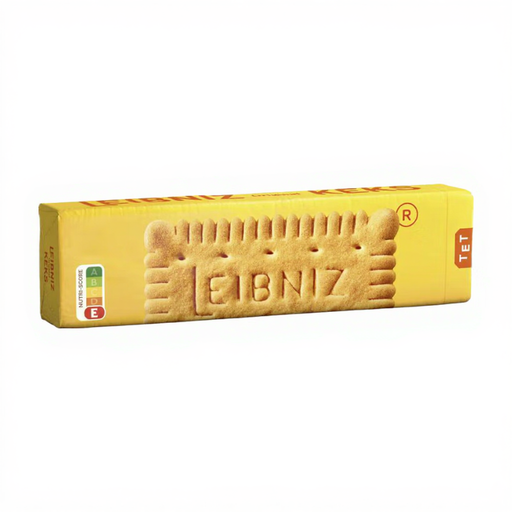
A 200 g pack of classic butter biscuits for your weekly shop. If you plan to divide them between several lunchboxes, check how the pack is arranged and read the ingredients for the specific variety before buying.
Only an explicit statement about the packaging confirms that the biscuits are divided into separate portions; “minis” doesn’t. Check the specific pack for details about individual wrapping and the number of units.
No. Butter biscuits labelled gluten-free may still contain other allergens. The Schär Petit Beurre variety described by EDEKA24 contains milk and egg, and lists possible traces of soya and lupin. Always rely on the information on the pack you’re actually buying.
The net weight tells you how much product you’re buying; for a nutritional comparison, use the information per 100 g. Lebensmittelverband Deutschland explains that this standard measure makes it possible to compare packaged foods. Check the ingredients and highlighted allergens separately.
Plan how you’ll use the biscuits and follow the storage instructions on the pack, especially once it’s open. Verbraucherzentrale says the best-before date refers to the quality of unopened food stored correctly; the storage instructions for an opened pack are also important.