Batch bakers
You want to bake once and divide the butter cake between several lunchboxes. Dr. Oetker’s classic recipe calls for a 40 × 30 cm baking tray, so first check whether it will fit in your oven.


When baking a whole tray of butter cake for several lunchboxes, the key question is whether the oven’s usable space can actually accommodate the recipe tray. A fan-assisted mini oven won’t necessarily be large enough. A built-in oven with a specified multi-level setting is worth considering if you regularly bake on several trays at once. For smaller quantities, or if you don’t have space for a built-in oven, a countertop model may suit you, provided it has enough room for your tin and a suitable place to stand. Neither the heating method nor extra features replace the recipe instructions or the need to check the installation dimensions and electrical connection.
You want to bake once and divide the butter cake between several lunchboxes. Dr. Oetker’s classic recipe calls for a 40 × 30 cm baking tray, so first check whether it will fit in your oven.
You need a freestanding appliance and are happy to adjust the quantity or tin. With mini ovens, the usable space for your tin and the room needed for the appliance matter more than the capacity in litres alone.
You often bake larger quantities and want to put several trays in at once. Check which shelf levels and heating methods the specific model expressly supports.
A good fit if: You want to bake a full recipe tray or regularly plan to bake on several trays.
Bear in mind: The housing dimensions and electrical connection must suit the model. Multi-level fan cooking doesn’t automatically guarantee identical browning.
A good fit if: You don’t have a space for a built-in oven and bake smaller portions or adapt the recipe.
Bear in mind: The usable space may limit the size of tray you can use, and the appliance needs a safe place to stand.
| Buying consideration | What to look for | Who is it most relevant to? |
|---|---|---|
| Usable tray space | Compare the dimensions of the recipe tray and the tray supplied with the oven. Dr. Oetker’s classic butter cake recipe calls for a 40 × 30 cm tray. | If you want to bake the full recipe without adapting it, the usable space is your first priority. Around 36% of consumers put having enough room for the right tray first. |
| Space for the appliance | For built-in ovens, check the housing dimensions and the model’s requirements. For countertop appliances, check the space needed and the set-up instructions. | If you don’t have a suitable built-in space, you’ll need to be able to position the appliance safely. Around 29% of consumers prioritise the space available for the appliance. |
| Heating method and batch size | Check the recipe and instruction manual against the heating methods and shelf levels approved for the specific model. | If you want to use the heating method specified in the recipe or regularly bake on several trays, the specific operating mode matters. Around 21% of consumers prioritise heating method and batch size. |
| Energy use and running costs | For ovens with the relevant energy information, compare consumption per standard cycle. Consider accessories, installation and cleaning separately. | If you want to compare energy use and likely additional costs, look for clear figures per baking cycle. Around 14% of consumers focus on energy use and running costs. |
A capacity in litres doesn’t tell you whether a 40 × 30 cm recipe tray will fit. Mini ovens may be designed for smaller or adapted tins.
Measure the usable tray space and compare it with your recipe. If you use a smaller tray, make sure you adjust the recipe quantity accordingly.
Depending on the accessories supplied, you may need to buy a suitable extra tray or bake in another batch.
A manufacturer’s claim that an oven supports several shelf levels describes a setting the appliance can use; it doesn’t automatically guarantee the same result with every recipe. The quantity, temperature, cooking time and shelf position also matter.
Check the model’s instructions against the recipe and keep an eye on how the cake is baking. Only make multi-level cooking a deciding factor if you intend to use it.
Built-in appliances must fit the housing and meet the connection requirements for the specific model. In Germany, section 13 of the NAV sets out the conditions under which work on electrical installations may be carried out by the network operator or a company listed in an installers’ register.
Check the housing dimensions and connection details before ordering. If electrical work is needed, find out who is permitted to carry it out.
Built-in ovens with fan-assisted cooking features that vary by model.
Freestanding baking and grilling ovens for smaller or adapted tins.
Compact baking and toast ovens, including models with fan-assisted cooking.
Built-in ovens with CircoTherm fan cooking that varies by model.
Built-in ovens with fan cooking and cleaning features that vary by model.
The products below include built-in ovens with fan-assisted cooking, as well as countertop and mini ovens with baking functions. If you want to use a 40 × 30 cm recipe tray, check the usable space of each model.
 No image available
An option if you’re looking for a built-in oven with fan-assisted cooking and several shelf levels. The housing and electrical connection must suit the model.
Features listed include 3D hot air for up to three levels, conventional top and bottom heat, pyrolytic cleaning and a universal pan.
 No image available
An option if you’re considering a built-in oven with fan-assisted cooking and multi-level baking. Check the housing and electrical connection first.
Specifications include 3 kW, ten functions, fan-assisted heat circulation, multi-level baking and AquaClean.
 No image available
An option if you’re looking for a built-in oven with 3D hot air and several shelf levels. The housing and electrical connection must be suitable.
Features listed include a 71 l cavity, five shelf positions, baking on up to three levels, a baking tray and pyrolytic cleaning.
 No image available
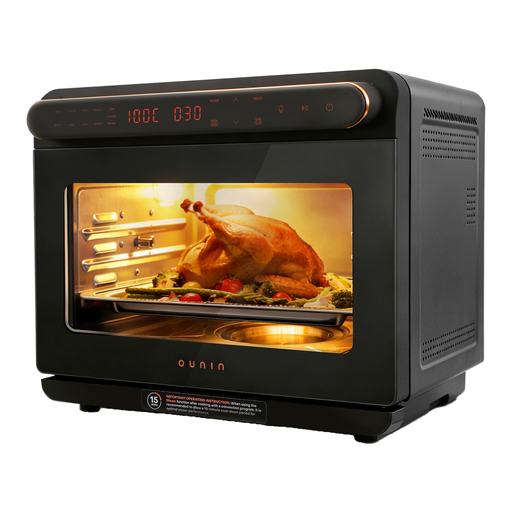
A countertop option if you’re planning smaller baking projects. Check that the usable space is large enough for your tin.
Specifications include a 24 l cavity, a 1-litre water tank, Bake and Steam Bake settings, and seven accessories.
 No image available
An option for smaller baking projects if you’re looking for a freestanding appliance. Check the tray size against your recipe.
Specifications include 1,600 W, a temperature range of 100 to 250 °C, a 60-minute timer and a supplied baking tray.
No. Dr. Oetker’s classic recipe recommends around 200 °C with conventional top and bottom heat, or around 180 °C with fan-assisted cooking, and says to preheat the oven for this recipe. Use the recipe and your oven’s instructions as a starting point, rather than assuming that one heating method is right for every butter cake.
Once you’ve followed the recipe, leave the cake to cool on a wire rack before cutting it into portions. For fillings or toppings that spoil easily, the German Federal Institute for Risk Assessment recommends keeping food at a suitable temperature during storage and transport. This doesn’t apply automatically to every plain butter cake.
Check the dimensions of the space and the connection requirements for your chosen appliance against your kitchen. If electrical installation work is required in Germany, section 13 of the NAV states that it may only be carried out by the network operator or a company listed in an installers’ register. This doesn’t mean every model needs the same connection; for example, Siemens specifies an earthed Schuko/Gardy plug for the HB314G0S3.
For labelled household ovens, the stated consumption per standard cycle helps you compare models. The European Commission lists mini ovens as outside the scope of the rules, so the absence of a label doesn’t indicate either low or high energy use.
If the legal requirements are met, section 437 of the German Civil Code (BGB) includes the right to have the product repaired or replaced. For most goods, the relevant claims for defects generally become time-barred two years after delivery under section 438 of the BGB. This is separate from any additional manufacturer’s guarantee.