Which type of microwave is right for you?

Preparing dough to bake in your oven later

You’re making a large batch of dough, want to use butter that’s soft but not liquid, and plan to bake the frozen portions in your existing oven later. King Arthur Baking recommends using butter that can be pressed but still offers some resistance in recipes of this kind.

Baking small portions in the appliance

You’d like to bake suitable portions in the appliance as well as heat ingredients. CASO Design and Severin list a convection mode for the models described here.

Planning for the right size and space

You need to make room for both the appliance and your baking tin, and want to compare the internal and external dimensions with the space you have available. CASO Design gives the internal dimensions of the cooking compartment for the MCG 25 Ceramic chef; Severin describes the MW 7777 as having a flat cooking compartment floor.

Which buying criteria matter?

Microwave plus your existing oven

Best if: You want to soften butter for dough and bake the frozen portions in your existing oven later.

The trade-off: You won’t have an additional small convection oven, and you’ll still need to check the butter’s consistency as it heats.

Combination microwave with convection

Best if: You regularly want to bake suitable small portions in the appliance.

The trade-off: Convection, microwave and grill are different cooking modes. Check that your tin and any accessories are suitable for the mode you plan to use.

Combination microwave with grill

Best if: As well as heating food, you mainly want to grill or brown dishes.

The trade-off: The Bauknecht MW 49 SL lists microwave and grill functions; a dedicated convection function is not specified for this model.

Buying criterion What to check when buying Who is it important for?
Soft, not melted, butter Adjustable microwave power levels and short, interruptible time settings; press the butter to check it as you go. If I’m preparing butter for dough with sugar, it should be soft enough to press but still hold its shape. Around 36% of consumers prioritise exactly this consistency.
Baking frozen portions in the appliance Look for a dedicated convection mode and check that your tin and planned portion size will fit. If I don’t want to bake the prepared portions in my main oven, I need a suitable baking function. Around 29% of consumers prioritise being able to bake them in the appliance later.
Tin size and available space Compare the dimensions of your tin with the cooking compartment or turntable, and check the external dimensions against the space where you plan to put the appliance. If I want to use my existing baking tin and the space I have available, I compare the actual dimensions rather than just the capacity. Around 21% of consumers prioritise this kind of fit.
Weighing up extra functions Decide in advance what else you’ll cook in the appliance; don’t assume a grill and convection function are the same thing. If I mainly need the appliance to heat butter, I want to choose extra functions based on what I actually cook. Around 14% of consumers prioritise this consideration.

Common buying misconceptions

  • Assuming “combination” means it has a convection oven

    The name alone doesn’t tell you which cooking modes an appliance has. The Bauknecht MW 49 SL lists microwave and grill functions, while CASO Design and Severin explicitly list convection for the models mentioned.

    Check the cooking modes for the full model before planning to bake your frozen portions in the appliance.

    If the appliance doesn’t have a suitable baking mode, you’ll still need another appliance to bake these portions.

  • Assuming melted butter can be used in place of softened butter in every recipe

    In recipes where butter is creamed with sugar, its consistency affects how much air is incorporated. Butter that has been melted and then allowed to set again may behave differently.

    For these recipes, stop heating the butter when it’s soft enough to press but still holds its shape. If the recipe specifically calls for melted butter, follow that instruction.

  • Assuming the litre capacity tells you whether your baking tin will fit

    The stated capacity alone doesn’t tell you whether a particular tin will fit in the cooking compartment or on the turntable.

    Measure your tin and the space where you plan to put the appliance, then compare both with the specifications for the full model.

    If the dimensions aren’t suitable, you may need a different baking tin.

Brands to consider

CASO Design

CASO Design describes the MCG 25 Ceramic chef as a combination microwave with microwave, grill and convection functions, plus a flat cooking compartment floor.

  • CASO Design lists ten microwave power levels and internal cooking compartment dimensions of 310 × 190 × 315 mm.
  • Your tin needs to fit the stated dimensions; the listed functions don’t guarantee a particular result when softening butter.

Severin

Severin lists the MW 7777 as an appliance with microwave, grill and convection functions, and a flat base.

  • For this model, Severin lists ten power levels and defrosting by time or weight.
  • Your tin and the space where you plan to put the appliance need to suit the actual internal and external dimensions.

Samsung

Samsung describes the MC32DB7746KDE1 as having microwave, grill and convection functions, along with additional programmes.

  • For this specific model, Samsung lists a 32 l capacity and 900 W microwave power.
  • The cooking compartment capacity alone doesn’t confirm that a particular tin will fit or that the appliance is suitable for softening butter.

Panasonic

Panasonic describes the NN-CD88 as having an inverter microwave, grill and convection functions.

  • Panasonic lists a 34 l capacity, a 360-mm turntable and seven microwave power levels.
  • The Panasonic model page marks the NN-CD88QSEPG and NN-CD88 as unavailable; this doesn’t indicate whether they’re available from other retailers.

Bauknecht

The Bauknecht MW 49 SL is an example of a microwave with a grill and other cooking programmes, for when you want to brown food as well.

  • For this model, Bauknecht lists a 25 l capacity, 800 W microwave power and 900 W grill power.
  • The product page doesn’t list a dedicated convection function for this model; the manufacturer’s claims about even cooking aren’t an independent comparison.

Joybuy microwaves for preparing dough

The Joybuy products below are intended for heating butter as part of your dough preparation. If you also want to bake frozen portions in the appliance, look for a dedicated convection mode.
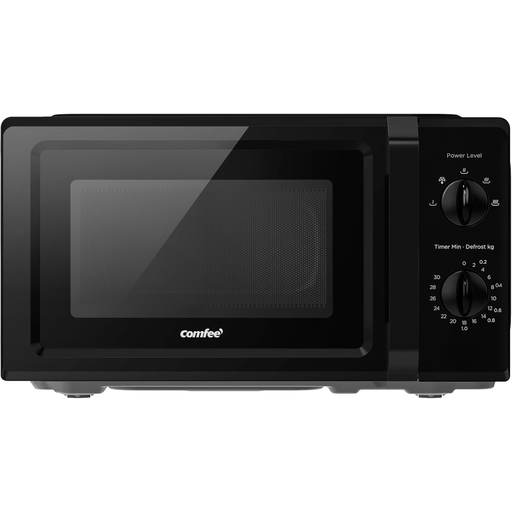
COMFEE inverter microwave CMO‑MP012OC(BK)

COMFEE inverter microwave CMO‑MP012OC(BK)

Five adjustable power levels give you options for heating butter; check its consistency as it heats.

19 l, 700 W, five power levels, defrost function, 30-minute timer and 245-mm turntable.

View at Joybuy
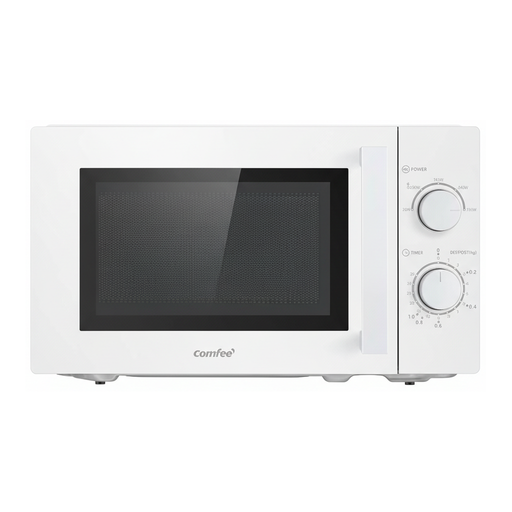
Comfee 20-l microwave with mechanical controls

Comfee 20-l microwave with mechanical controls

Five power levels let you choose a setting for heating butter; check as you go to make sure it still holds its shape.

20 l, 700 W, five power levels, interior light and defrost function.

View at Joybuy
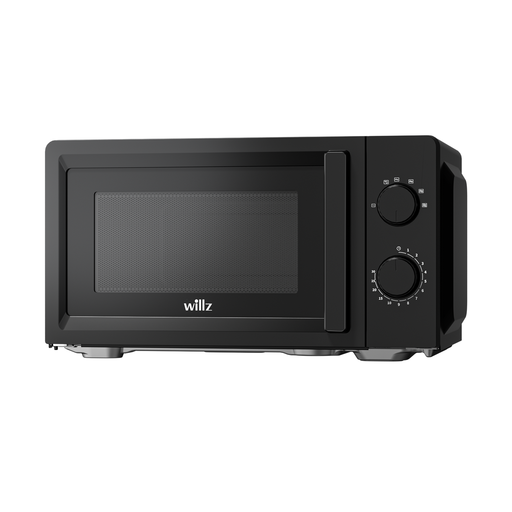
Galanz P4 compact 20-l microwave

Galanz P4 compact 20-l microwave

A microwave for heating butter before preparing dough; check that the appliance suits the space you have and the containers you need to use.

20 l; described in the product name as a compact, square microwave.

View at Joybuy

Heinrich’s 20-l solo microwave

Heinrich’s 20-l solo microwave

Six power levels give you a choice of settings for heating butter; check its consistency in short, interrupted intervals.

20 l, 700 W, six power levels, 30-minute timer and turntable.

View at Joybuy

Frequently asked questions

How can I tell if butter is soft enough to cream with sugar?

It should be soft enough to press, still offer some resistance, and be neither greasy nor liquid. King Arthur Baking describes this consistency for baking recipes that call for softened butter; a fixed microwave time won’t necessarily suit every quantity or starting temperature.

Can I put frozen food containers straight in the microwave?

Not without checking the instructions for the specific container. The Verbraucherzentrale recommends following the stated temperature and wattage limits. Also check whether the container is suitable for the cooking mode you plan to use; being microwave-safe doesn’t automatically mean it can be used with convection.

How do I tell the difference between grill and convection on a combination microwave?

Check the cooking modes listed for the full model: grill and convection are different functions. If you want to bake frozen portions in the appliance, look for a dedicated convection mode and make sure your tin and accessories fit the cooking compartment.

Which marking should I check on a microwave sold in Germany?

For appliances covered by the EMVG, section 18 requires CE marking following the applicable conformity assessment procedure. As part of its market surveillance, the Bundesnetzagentur checks matters including the marking, product identification and German-language instructions. Check the specific appliance being offered rather than assuming its marking based on a general model description.

If there’s a fault, should I contact the retailer or the manufacturer?

Your statutory rights relating to faulty goods apply against the seller and are separate from any voluntary manufacturer’s guarantee. According to the Verbraucherzentrale, you should first seek a remedy from the seller; read any guarantee terms separately and in addition to this.