
Lieferung heute & morgen

Qualitätsgarantie

Willkommens-Angebote freischalten: KOSTENLOSE Lieferung | Bis zu 80 % RABATT | Kostenlose 30-Tage-JoyPlus-Testphase
App herunterladen
Choosing the right butterfly cutting die can elevate a creative project or lead to frustration. Product images often promise intricate results, but the reality can be different: unclean cut edges, bent dies, or unexpected incompatibility with your die-cutting machine. Before you buy new cutting dies, it's important to know the common pitfalls that lead to unnecessary expenses.
A frequent problem is material quality. Cheaply produced dies made from overly soft metal quickly lose their sharpness, resulting in frayed paper edges. Another pitfall is a lack of fine detail. This is what separates high-quality dies from the rest, especially with complex designs like butterflies. A die that looks detailed in a picture may only produce rough outlines in practice if the cutting lines are not precisely manufactured.
To ensure your creative ideas for crafting with cutting dies are perfectly realised, you should focus on a few objective criteria. These parameters are crucial for the longevity and functionality of your tools.
Most high-quality cutting dies are made from carbon steel. This material offers a good balance of hardness and flexibility. It ensures that the cutting edges remain sharp even after frequent use and cut precisely through thicker cardstock. You can identify a well-made metal butterfly die by its smooth, continuous cutting lines without any breaks or rough spots. Some dies also function as an embossing folder for paper, which opens up additional design possibilities. Check the product description to see if this dual function is available.
Not every die fits every machine. Most of the cutting dies available on the market, often called "wafer-thin dies," are compatible with popular models (e.g., from Sizzix, Vaessen Creative, or Spellbinders). However, two factors are critical:
An intricate butterfly is only impressive if all the small paper pieces can be cleanly released from the die. Dies with small, integrated holes make the "weeding" process much easier. You can use a pointed tool to simply push the die-cut paper pieces out through these holes. For very complex designs, this is an indispensable feature that makes the difference between a successful project and tedious rework.
Here are some recommendations tailored to different needs for DIY card making and dies for scrapbooking.
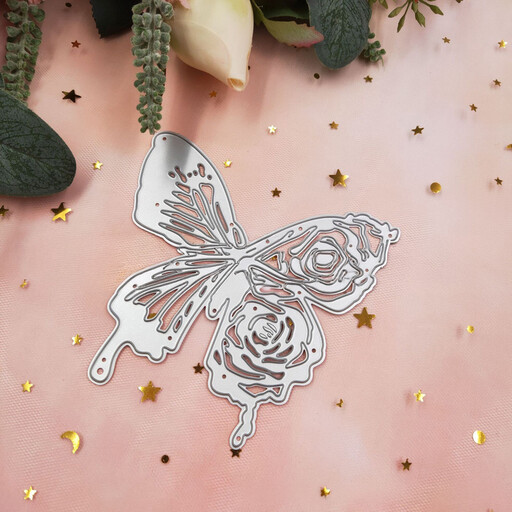
Why This Fits Their Persona: Ideal for crafters looking for a clean, straightforward design. The simple motif is perfect for quickly and reliably creating decorative elements for cards or gift tags.
The less complex design minimises the risk of small paper pieces getting stuck. The clean lines ensure a neat cut even with more basic materials.
Easy to handle and quick to weed. Universally suitable for various paper weights.
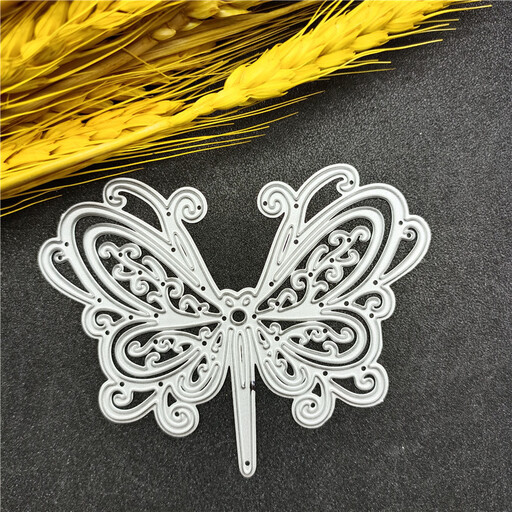
Why This Fits Their Persona: Perfect for experienced crafters who value detailed and elegant results. This set is ideal for wedding cards, elaborate scrapbook layouts, or as a central decorative element.
The fine lines and detailed cutouts indicate precise manufacturing, which is necessary to achieve the promised level of detail and avoid a messy result.
Very high level of detail for impressive, delicate effects. The set includes multiple motifs for varied compositions.
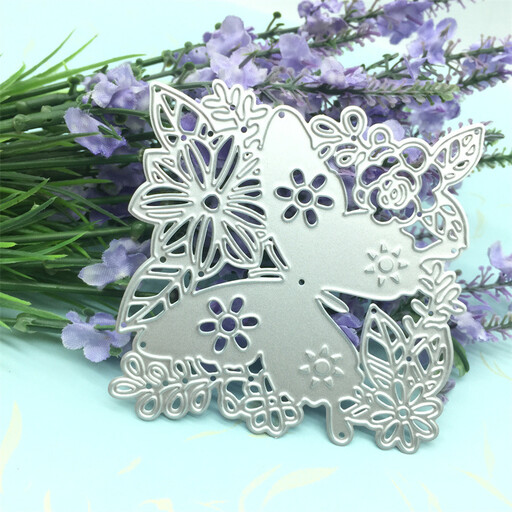
Why This Fits Their Persona: For creatives who enjoy building entire scenes and combining different elements. In addition to the butterfly, this set also offers a matching flower, expanding the design possibilities and enabling a cohesive overall look.
By providing thematically matched designs in one set, it avoids the need to buy multiple, stylistically mismatched dies individually.
Combination set for more creative freedom. Allows for the creation of harmonious arrangements on cards and in albums.
The selection of designs is vast and extends far beyond butterflies. For seasonal projects, for example, there is also a wide variety of Christmas cutting dies and other scrapbooking supplies.
We've compiled a complete, up-to-date list of products that fully meet these strict selection criteria and quality standards.
No, not necessarily. Most thin metal dies (wafer-thin dies) are compatible with the most common manual die-cutting machines, but it is always advisable to check the maximum opening width of your machine. For very large or thick dies (steel-rule dies), compatibility is more limited.
For highly detailed designs like delicate butterflies, smooth paper with a weight between 120 g/m? and 220 g/m? works best. Paper that is too thin can tear easily, while very thick cardstock (> 250 g/m?) may require multiple passes through the machine and may not always cut the fine details cleanly.
After use, you should remove small paper scraps from the die with a brush or a pointed tool. To prevent rust, store the dies in a dry place. Magnetic storage sheets or folders are ideal as they keep the dies neatly in place and prevent them from scratching each other.