
Lieferung heute & morgen

Qualitätsgarantie

Willkommens-Angebote freischalten: KOSTENLOSE Lieferung | Bis zu 80 % RABATT | Kostenlose 30-Tage-JoyPlus-Testphase
App herunterladen
Butterfly motifs lend a delicate and nature-inspired aesthetic to creative projects. However, when selecting butterfly cutting dies, crafters often encounter problems that compromise the final result. Inferior dies lead to unclean cuts, while incompatible formats can quickly spoil the joy of crafting. This guide explains the crucial criteria for selection and helps you avoid common purchasing mistakes.
Many deals for craft supplies look attractive at first glance, but their flaws often become apparent in practice. Watch out for these three typical weaknesses:
To avoid these problems, you should check three technical parameters before buying. These features are an indicator of the functionality and longevity of your metal cutting dies.
Material quality is the decisive factor for cutting performance. Look for products explicitly made from carbon steel. This material provides the necessary hardness to maintain a sharp cutting edge even with repeated use. It enables precise cuts through various types of paper and thin cardstock without quickly dulling. A solid material thickness also ensures that the die does not bend under the pressure of the machine.
Before purchasing, check the exact dimensions of the cutting die (length, width, and thickness) and compare them with your die-cutting machine's specifications. Most manufacturers of scrapbooking accessories adhere to the standard dimensions of common devices, but deviations are possible. This information saves you from buying a useless die and ensures your tool functions optimally.
With complex motifs like butterflies, small pieces of paper often get stuck in the die after cutting. Well-designed dies feature small holes on the back, known as release holes. These openings allow you to easily push out the paper scraps with a pointed tool. The absence of these holes makes the work significantly more difficult and can damage the die-cut shape during removal. Some dies also function as embossing dies, which add an extra three-dimensional texture to the paper—a feature that is advantageous for sophisticated card making projects.
Based on these objective criteria, we have compiled a selection of products for various creative endeavors.
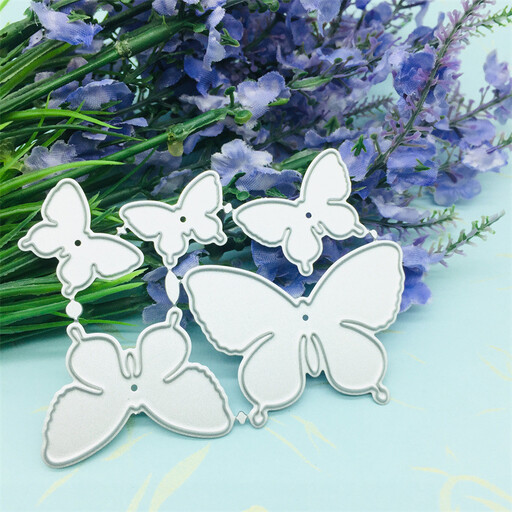
Why it's a good fit: This set offers five different butterfly designs in a single die. It is ideal for crafters who want to experiment with various sizes and shapes without having to buy multiple individual dies. The variety is well-suited for initial projects in scrapbooking or for decorating gift tags.
The carbon steel construction aims for clean cutting edges. The relatively simple, clear shapes of the individual butterflies reduce the risk of detail loss, making it a reliable choice for beginners.
Provides five motifs in one product, allowing for high design flexibility across different project sizes.
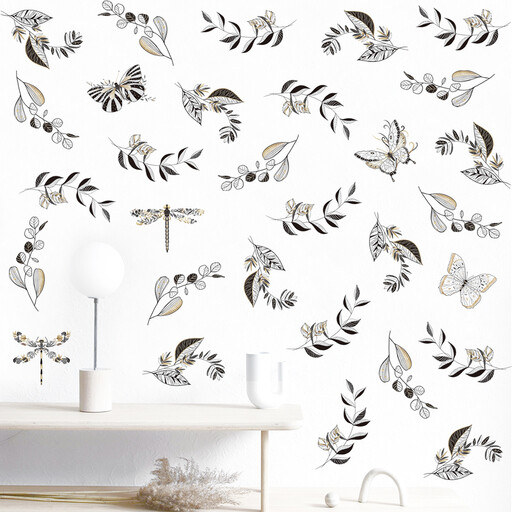
Why it's a good fit: For users who want to implement the butterfly effect as DIY decor in their living space without the effort of die-cutting. These self-adhesive stickers are a direct alternative to a butterfly wall decal and are suitable for decorating walls, doors, or furniture.
As a finished product, this item bypasses all potential issues of die-cutting tools, such as incompatibility or poor cut quality. The application is straightforward, and the result is immediately visible.
Enables quick, tool-free room styling. The self-adhesive backing allows for flexible placement and residue-free removal from smooth surfaces.
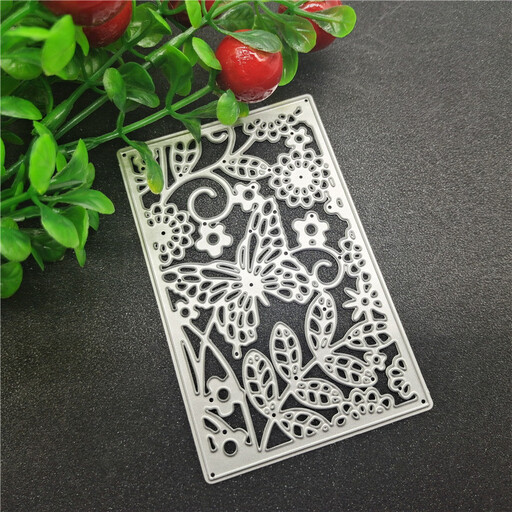
Why it's a good fit: This die combines a butterfly motif with a matching leaf element. It is ideal for advanced crafters who want to create layered and scenic compositions for card making or scrapbook layouts. The separate elements allow for individual arrangement.
The design clearly separates the delicate antennae and wings from the main body, which increases the likelihood of clean cuts in detailed areas. The combination with a simpler leaf element offers a good balance of complexity and functionality.
Includes two thematically matching but separate motifs, enabling creative combinations and the creation of depth in craft projects.
We have compiled a comprehensive, up-to-date list of products that fully meet these strict selection criteria and applicable regulations.
Most metal cutting dies are suitable for papers with a weight between 80 g/m? and 220 g/m?. Thinner paper may tear with very intricate designs, while thicker cardstock (over 250 g/m?) may require multiple passes through the die-cutting machine or may not be cut completely by the die. It is advisable to first perform a test cut on a scrap piece of your chosen paper.
After use, you should carefully remove paper scraps from the die with a brush or a pointed tool. Be careful not to damage the cutting edges. For storage, magnetic sheets or special storage sleeves are suitable. This prevents the dies from rubbing against each other and becoming dull, and protects them from bending. Dry storage also prevents rusting.
No, most cutting dies are designed to be compatible with the most common manual die-cutting and embossing machines (e.g., from Sizzix, Spellbinders, or Vaessen Creative). The crucial element is the "sandwich" combination of acrylic plates and the die, which can vary depending on the machine and die thickness. Check your machine's manual and the die's dimensions to ensure the correct arrangement.