
Lieferung heute & morgen

Qualitätsgarantie

Willkommens-Angebote freischalten: KOSTENLOSE Lieferung | Bis zu 80 % RABATT | Kostenlose 30-Tage-JoyPlus-Testphase
App herunterladen
Butterfly dies for scrapbooking are ideal for greeting cards, photo albums, gift packaging and decorative paper collages. Before you buy, however, it’s worth taking a closer look at the motifs included, what you’ll use them for and the technical details. Product names such as “Beautiful Butterflies” or “Embossing Tool” alone won’t tell you whether a die is right for your die-cutting machine, paper or project.
A butterfly metal die product name might describe a single shape or several butterfly motifs. Options such as “A Butterfly”, “Three Butterflies” or “Five Butterflies” indicate different numbers of motifs. Before you buy, check:
A product image may show several decorated layers of paper, even though only the metal die shown is included. Always check the product description and selected variant to confirm exactly what’s included.
Many paper dies are also described as embossing dies or embossing tools. This doesn’t mean that every shape will work with every die-cutting and embossing machine. Key factors include:
If you’re decorating paper cards, start by testing the die with a paper offcut. This will show you whether it cuts cleanly through the paper and whether small cut-out sections are easy to remove.
Delicate wings, antennae or internal cut-outs can add detail to cards, but may take more patience to remove from the die. Very thin paper can also tear in narrow areas. If you make cards regularly, paper weight, motif size and the number of internal cut-outs are important factors to consider.
The products listed are described as metal cutting dies for paper projects. Metal generally provides a firm cutting edge, but the result still depends on the die’s design and the machine you use. Look for clear product details stating whether the die is intended as a:
A paper die isn’t automatically suitable for felt, foam, plastic or other materials. Unless the manufacturer says otherwise, stick to paper and thin card.
Single motifs let you position a design exactly where you want it on a card. Multi-piece options are useful if you want to repeat a design or combine different sizes on one page. A single large shape may be enough for a simple layout, while several butterflies give you more ways to arrange a collage or decorate a photo album.
A butterfly and flower die or a butterfly and leaves die can make designing easier by bringing together several elements from the same motif family. Check whether the combination is one connected motif or several individual dies. This affects whether you can position the elements separately or have to use them together.
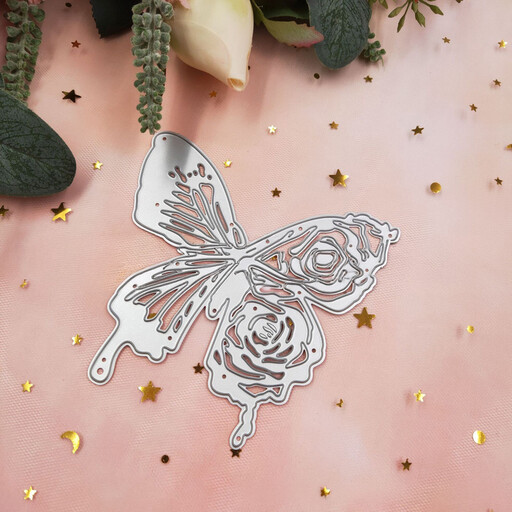
Why this product suits this profile: The single butterfly motif is a straightforward choice for cards, gift tags and small scrapbooking projects.
The clearly stated single-die option makes it less likely that you’ll accidentally buy a larger set containing shapes you don’t need.
One butterfly motif; the product description states that it’s intended for scrapbooking, paper cards and embossing projects.
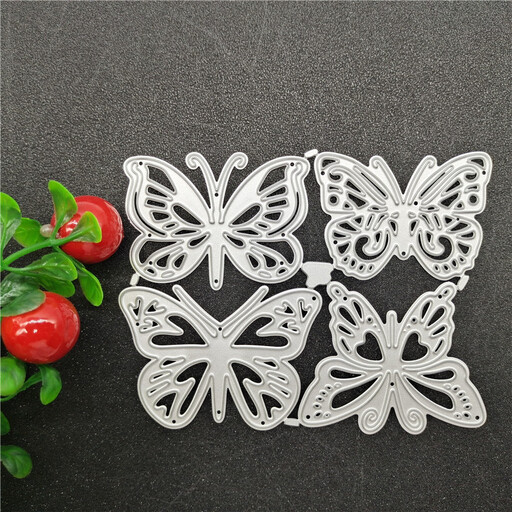
Why this product suits this profile: Four clearly stated butterfly motifs give you several design options, so you’re not limited to using a single motif.
The specific “Four Butterflies” description makes it easier to see what’s included than a generic set name would.
Four butterfly variations; the product name states that they’re intended for paper cards, albums and scrapbooking accessories.
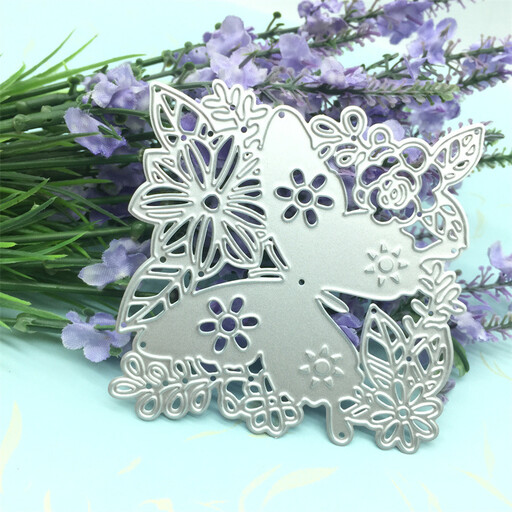
Why this product suits this profile: The butterfly and flower combination is ideal for card layouts where you want to bring several nature-inspired motifs together.
The motif combination could save you buying a separate flower die, provided these are the elements you need.
Butterfly and flower motifs in one option; the product description states that they’re intended for paper cards, albums and decorations.
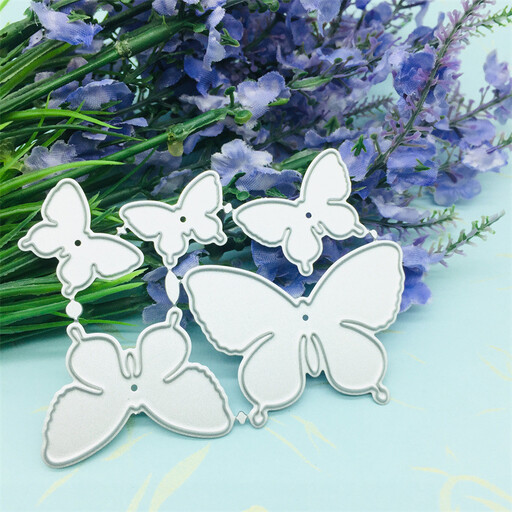
Why this product suits this profile: Five clearly stated butterflies are a good fit for larger scrapbooking layouts, batches of cards and repeat decorations.
Knowing exactly how many motifs are included makes it easier to match the set to your needs for regular projects.
Five butterfly motifs; the product name states that they’re intended for scrapbooking, cards and paper decorations.
We’ve put together a complete, regularly updated list of products that meet these strict selection criteria and fully comply with the safety regulations in force in the EU.
You’ll generally need a compatible manual or electric die-cutting and embossing machine. The key factors are the dimensions of the die, the material thickness and the cutting plates recommended by the machine manufacturer. Check these details before buying, as not every die works with every system.
Craft paper and thin card are commonly used for cards and scrapbooking. Suitability depends on the die and machine. Very thin paper can tear around intricate shapes, while card that’s too thick may not cut all the way through. Test cuts with different paper weights will help you find out what works best.
Their lifespan depends on the material, cutting edge, paper thickness, pressure applied by the machine and storage conditions. Avoid materials the product isn’t designed for, and don’t cut on unsuitable surfaces. Keeping the dies clean and dry, and handling intricate shapes carefully, can help keep them in good working order.