
Lieferung heute & morgen

Qualitätsgarantie
App herunterladen
Kategorien
Butyl sealant tape, based on butyl rubber, is a self-adhesive sealing tape used for a wide variety of waterproofing applications. Its primary function is to create a durable, airtight, and waterproof barrier. The material properties of butyl rubber—particularly its high tack, plasticity, and resistance to weathering—make it a reliable solution for repairs and sealing in demanding environments. Applications range from RV sealing and roof repair to sealing windows and providing automotive sound deadening.
The selection of the right butyl tape depends on specific technical requirements. The following parameters are relevant for making an informed decision.
Butyl tapes are available in two primary configurations:
The dimensions of the tape are crucial for the specific application:
A key feature of butyl rubber is its excellent adhesion to a wide variety of substrates. Before purchasing, you should verify that the tape is specified for the intended materials, such as metal, glass, plastic, wood, concrete, or EPDM roofing membranes. For optimal adhesion, surfaces must always be clean, dry, and free of grease.
For outdoor applications, such as RV sealing or boat sealing, resistance to temperature fluctuations and weather is a critical factor. Pay attention to the manufacturer's specified application temperatures (e.g., -15°C to 45°C) and the material's general UV resistance.
Based on technical specifications and application areas, we present a selection of butyl sealant tapes.
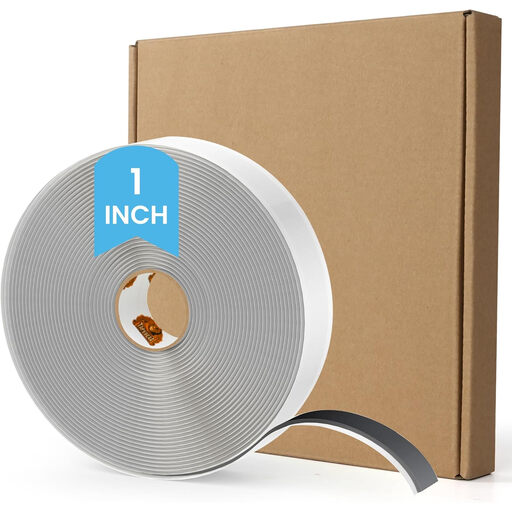
Why We Recommend This Product This butyl tape is designed as a pure butyl rope and, with its 25 mm width, offers generous coverage for larger joints. Its high flexibility allows for seamless adaptation to irregular shapes, making it a versatile solution for complex sealing tasks.
Pros:
Best Suited For:
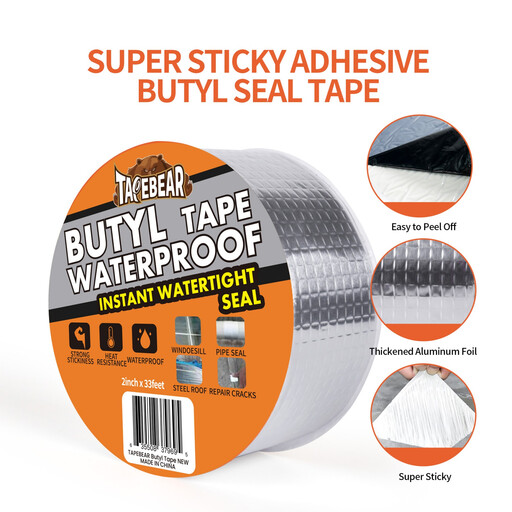
Why We Recommend This Product This repair tape combines a butyl rubber adhesive layer with a robust aluminium foil backing. This construction offers high resistance to weathering and UV radiation, qualifying the tape for permanent outdoor repairs. The 50 mm width is ideal for overlapping cracks and seams.
Pros:
Best Suited For:
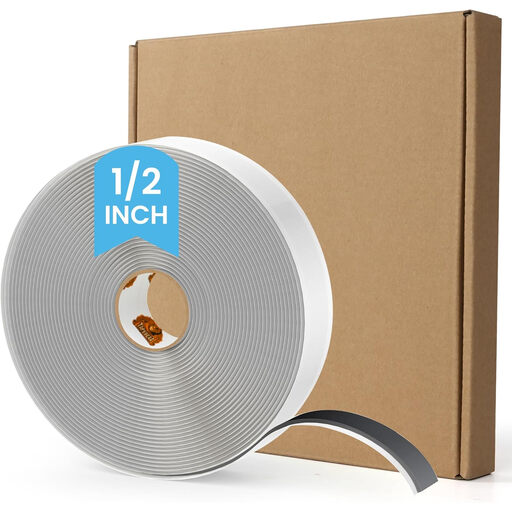
Why We Recommend This Product This narrower version of a pure butyl rope (12 mm) is designed for precise and delicate sealing tasks. Its high malleability allows it to be placed exactly into narrow gaps and around complex geometries, for example, when sealing windows or waterproofing car headlights.
Pros:
Best Suited For:
While butyl sealant tape ensures structural integrity and protection against moisture, maintenance on vehicles or boats often requires attention to other systems. The electrical system, in particular, is a critical area. For tasks related to protecting electrical circuits, you can find suitable components in our Blade Fuse category.
1. Is butyl sealant tape permanently waterproof? Yes, butyl rubber is inherently impermeable to water and resistant to ageing. When applied correctly to a clean, dry surface, the tape forms a permanent, waterproof seal that maintains its function for many years. For tapes with a backing film, the film provides additional protection against weathering.
2. What surfaces does butyl tape adhere to? Waterproof butyl tape features excellent adhesion to most non-porous and many porous surfaces. These include metals (aluminium, steel, zinc), glass, plastics (PVC, polycarbonate), wood, concrete, brick, and EPDM membranes. The prerequisite for optimal adhesion is always a thoroughly cleaned and dry surface.
3. How do you remove butyl sealant tape? Removing butyl tape can be a challenge due to its high tack. Mechanical peeling or scraping is the first step. Remaining residue can often be softened with a suitable solvent, such as mineral spirits or specialised adhesive removers, and then wiped away. It is recommended to first test the solvent on an inconspicuous area to avoid damaging the substrate.