
Lieferung heute & morgen

Qualitätsgarantie

Willkommens-Angebote freischalten: KOSTENLOSE Lieferung | Bis zu 80 % RABATT | Kostenlose 30-Tage-JoyPlus-Testphase
App herunterladen
Anyone looking to buy a fridge is faced with a wide range of options: freestanding fridges, fridges without a freezer compartment, mini fridges or spacious models with a freezer section. The key consideration is not the longest list of features, but the right combination of usable capacity, footprint, energy consumption and ease of use.
A fridge may fit into the available space according to the product specifications and still cause problems in everyday use. Alongside height, width and depth, check the following:
A fridge with a reversible door offers greater flexibility in smaller kitchens. On some appliances, the door hinge is pre-fitted and must be changed before first use.
The EU energy efficiency scale for refrigeration appliances ranges from A to G. A fridge with energy efficiency class D, E or C should therefore always be considered alongside its annual energy consumption in kWh. A large class C appliance may use more electricity than a considerably smaller class E model.
For a fair comparison, look at:
The consumption figure is a standardised comparison value. Actual electricity consumption depends, among other things, on room temperature, how fully the appliance is loaded, the temperature setting and how often the door is opened.
For open-plan kitchens, studio flats, offices or locations close to bedrooms, noise emissions in dB(A) are an important factor. The product data provided lists models with around 35 to 40 dB(A). However, a rating of 39 dB(A) should not be confused with complete silence. Compressor start-up and ambient noise also affect how loud an appliance seems.
A fridge without a freezer compartment uses its entire interior for fresh food. This can be a sensible choice for households that use a separate freezer or mainly store fresh produce.
As a general guide:
The litre figure describes usable capacity, not the external volume. Adjustable glass shelves, door compartments and salad drawers determine how effectively the available space can actually be organised.
A fridge with a freezer compartment is suitable if frozen food is needed regularly and there is no separate appliance. A side-by-side fridge or cross-door model offers plenty of storage space, but also requires a correspondingly larger footprint and may have higher annual energy consumption.
A fridge without a freezer compartment is often easier to organise and designed for fresh food. Before buying, check whether you can genuinely manage without your own freezer section.
Useful functions are not equally important for every household:
Check whether a function applies to the fridge section, the freezer section or both.
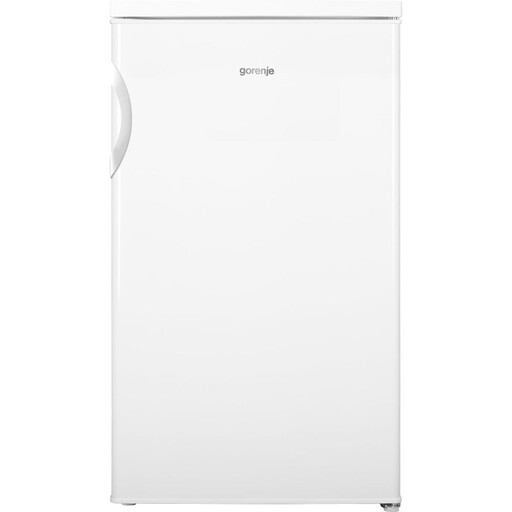
Why this product suits this profile: This freestanding fridge offers 133 litres of usable capacity and is ideal for smaller kitchens, flats or single-person households.
The data lists annual consumption of 72 kWh and energy efficiency class D. This makes ongoing energy use easier to assess than relying on advertising claims alone.
133 litres, LED interior lighting, adjustable glass shelves, CrispZone salad drawer and reversible door.
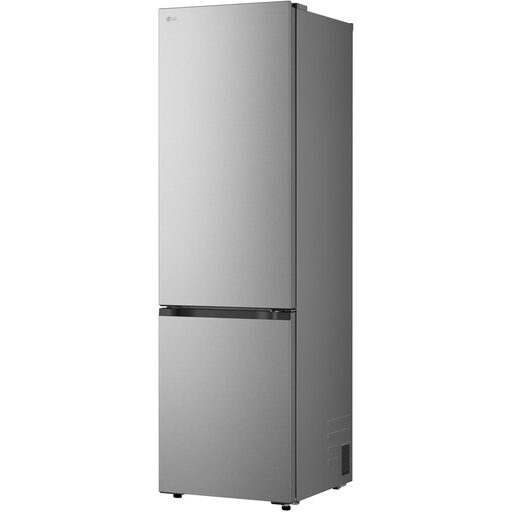
Why this product suits this profile: With 375 litres, fridge and freezer sections and app connectivity, this appliance is designed for substantial food stocks and organised use.
The product data lists annual consumption of 112 kWh, energy efficiency class A and noise emissions of 29 dB. This clearly presents the figures that matter in living-room kitchens.
No-frost, inverter compressor, LED lighting, 375 litres of usable capacity and a zero-clearance design according to the product description.
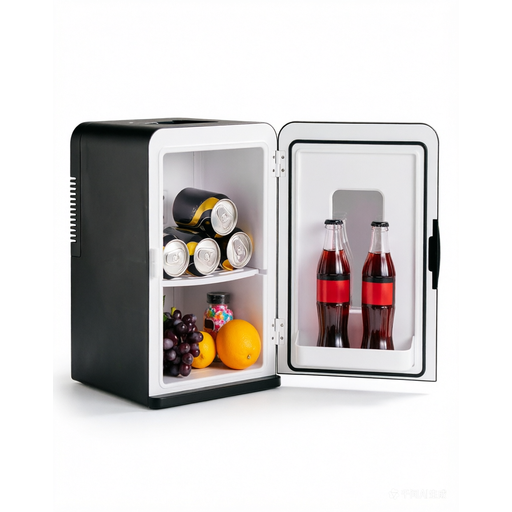
Why this product suits this profile: This compact appliance is designed for offices, bedrooms, student accommodation, cars or use on the go, and supports 220–240 V AC and 12 V DC.
Cooling performance is stated as a reduction compared with the ambient temperature, rather than as a fixed temperature. This avoids creating unrealistic expectations of a conventional compressor fridge.
15-litre capacity, cooling and warming function, 12 V connection and low weight of 3.8 kg according to the product details.
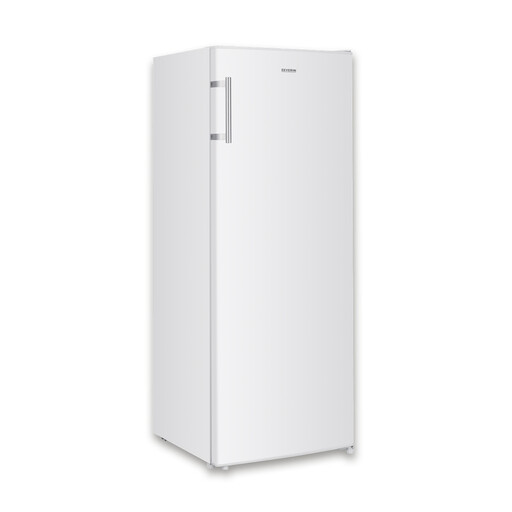
Why this product suits this profile: This large fridge without a freezer compartment offers plenty of space for fresh food, drinks and regular shops.
The product description explicitly states that this model has no freezer compartment. It also lists annual consumption of 83 kWh and noise emissions of 39 dB.
242 litres, adjustable glass shelves, large salad drawer, LED interior lighting and reversible door.
We have put together a complete, regularly updated list of products that fully meet these strict selection criteria and the safety regulations applicable in the EU.
This depends on the model and the instruction manual. Follow the specified clearances for ventilation and heat dissipation. The door should also be able to open fully without hitting the wall or furniture.
Service life depends on use, location, ventilation, cleaning and maintenance. Keeping the appliance level, maintaining a clean door seal and ensuring sufficient air circulation can support proper operation. The energy efficiency class does not provide any specific guarantee of service life.
A simple guideline is: Annual consumption in kWh × your electricity price per kWh. The figure on the EU energy label is a standardised comparison value. Actual consumption may vary for a fridge with a freezer compartment, frequent door opening or a high room temperature.