
Lieferung heute & morgen

Qualitätsgarantie

Willkommens-Angebote freischalten: KOSTENLOSE Lieferung | Bis zu 80 % RABATT | Kostenlose 30-Tage-JoyPlus-Testphase
App herunterladen
If you're looking to buy adzuki beans, you'll find various names, origins and pack sizes online. Alongside classic adzuki beans, you'll also see red beans, red beans (the generic term) or Chinese red beans on offer. These products can look quite similar, but they differ in bean variety, grain size, preparation time and intended use.
For soups, porridges, desserts or making adzuki bean paste, it's worth taking a close look at the product description. What matters are not flashy marketing claims, but clear, verifiable details about ingredients, weight, origin, storage and preparation.
The term "red beans" can refer to different varieties. Adzuki beans belong botanically to Vigna angularis and are often used for sweet dishes, red bean paste and Asian desserts. Red kidney beans, which you might find in stews or salads, are a completely different bean variety.
Checking the ingredients list prevents confusion. It should clearly state "Adzuki Beans", "Adzukibohnen" or the product's specific name. For dried red beans, the shape is also relevant: long-grain varieties can differ in texture and cooking behaviour from rounder beans.
Adzuki beans in 1 kg packs can be economical for regular cooks, but they need plenty of dry storage space. If you only use red beans occasionally for soup or desserts, a 300 g to 500 g pack is often more flexible.
Once opened, the packaging should be resealed tightly. Heat, moisture and insects can affect shelf life. The best-before date on the individual pack remains the key reference.
Dried beans must be fully cooked before eating. Missing or unclear preparation instructions are a practical disadvantage. Look out for whether soaking is recommended, how long the beans need to cook, and whether they need washing before use.
For versatile use, products with a clear ingredients list make sense. Several of the available products consist, according to their product details, of 100 % red beans or adzuki beans and contain no other ingredients. Claims like "no additives" should always be checked against the specific product description or packaging.
If you have allergies or intolerances, check the allergen labelling. Even though no allergens are listed for the products shown here, you should always check the current packaging.
Nutritional information usually refers to 100 g of dried product. This is not directly comparable to the weight of cooked beans, as they absorb water during preparation.
Origin can play a role in your choice, but it is not a guarantee of quality on its own. Product details list origins including China, Thailand and Argentina. What matters more is whether ingredients, net weight, best-before date, responsible company and storage conditions are clearly stated.
For dried red beans, the general rule is: store in a cool, dry place away from direct sunlight. Damaged or opened packaging should be checked carefully before purchase or use.
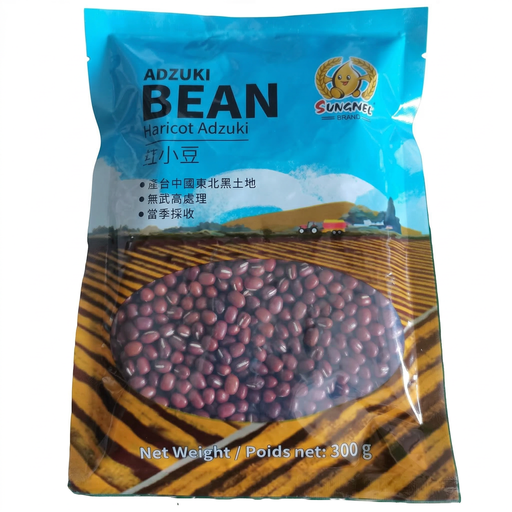
Why this product fits the profile: The 300 g pack is ideal for buyers who want to try adzuki beans in a manageable quantity first. According to the product details, red beans are the only ingredient.
The ingredients list mentions no additives. The product details also explicitly highlight the need for soaking and thorough cooking.
300 g net weight, no listed allergens and, according to the description, suitable for bean paste, red beans for soup and baking.
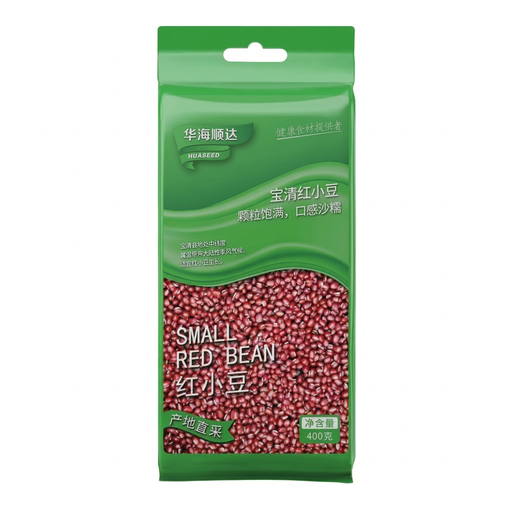
Why this product fits the profile: The product description mentions adzuki beans from north-east China, a net weight of 400 g and a quantitative ingredient declaration of 100 % adzuki beans.
Origin, ingredients, storage conditions and preparation are all listed in the product details. This makes it easier to match your choice to your planned recipe.
400 g pack, ingredient declaration "Adzukibohnen 100 %" and suitable for porridge, soup and traditional red bean desserts.
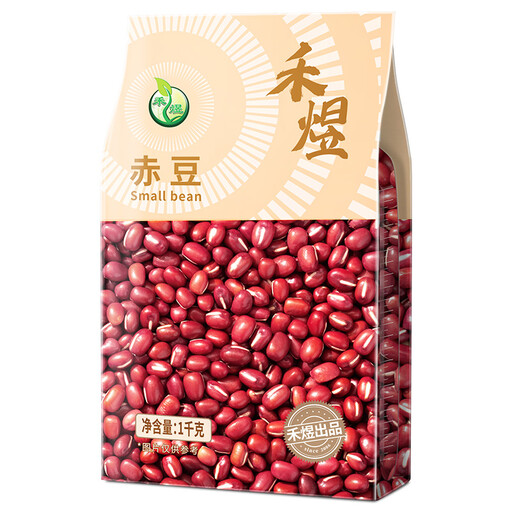
Why this product fits the profile: The 1 kg pack is aimed at households that cook regularly with red beans and need a larger store-cupboard quantity.
The product details include a clear ingredient name, instructions for washing and cooking, and specific storage conditions after opening.
1 kg net weight, no declared allergens according to the details, and intended for porridge, soups and desserts.
Sort through the beans before cooking and remove any damaged grains or foreign objects. Then wash them thoroughly. Depending on the product, soaking for several hours in plenty of water is recommended. Discard the soaking water before cooking the beans in fresh water.
For adzuki bean paste, blend the cooked beans or press them through a sieve. For sweet recipes, you can add sugar and other ingredients according to your recipe. Red beans for soup, on the other hand, can be combined with vegetables, spices or grains.
Cooked beans should not be left at room temperature for long. Once cooled, store them in a sealed container in the fridge, or freeze them in portions.
We've put together a complete, regularly updated list of products that fully meet these strict selection criteria and the safety regulations in force in the EU.
Not necessarily. "Red beans" is a general term, whereas adzuki beans are a specific bean variety. Red kidney beans are also different from adzuki beans. The ingredients list and the exact product name will tell you.
The cooking time depends on the variety, the age of the beans, the soaking time and the desired consistency. Follow the instructions on the packet and cook the beans until completely tender. Raw or undercooked beans should not be eaten.
For occasional recipes, 300 g to 500 g is usually more manageable. If you regularly cook Asian dishes, soups or desserts, you can choose a 1 kg pack. What matters is whether the opened pack can be stored in a dry, airtight place.