
Lieferung heute & morgen

Qualitätsgarantie

Willkommens-Angebote freischalten: KOSTENLOSE Lieferung | Bis zu 80 % RABATT | Kostenlose 30-Tage-JoyPlus-Testphase
App herunterladen
If you want to buy alcoholic drinks online, you’ll quickly find a huge selection of spirits, beer, aperitifs, liqueurs and sparkling wines. The challenge isn’t so much finding a product as making the right choice: is the bottle size suitable for the occasion? Does the alcohol content match the drink you have in mind? And does that bulk pack really contain the quantity you need?
The following criteria will help you avoid common mistakes and compare products objectively.
A single 0.7-litre bottle may be enough for a personal stash or a few cocktails. For a party, however, drink bundles and bulk packs are often more practical. The key is to compare the unit price, the price per litre and the actual number of servings.
With beer, you should also pay attention to the combination of bottle or can size and the number of units in the pack. A crate of 20 x 0.5-litre bottles, for example, contains 10 litres. Details such as deposit, returnable or non-returnable packaging should also be checked before you buy.
Spirits at 37.5% or 40% ABV are often used as a cocktail base, but they are portioned differently from beer or frizzante. An aperitif at 11–17% ABV may be intended for spritz variations, while a liqueur is usually defined by its sweetness and flavour profile.
If you’re looking to buy vodka, buy gin or buy soju, don’t decide based on brand or bottle design alone. Alcohol content, ingredients, serving suggestions and recipe uses provide much more relevant data for comparison.
Beer typically contains barley malt and therefore gluten. Sparkling wine and wine may contain sulphites. Cream liqueurs such as Baileys contain milk ingredients and must be refrigerated after opening. Even alcohol-free drinks aren’t automatically free from allergens: Karamalz, for example, contains barley malt.
Before you buy, it’s worth checking the ingredients list, allergens, net volume and storage conditions. The product information on the label is definitive, especially if recipes or packaging change.
The category usually determines the typical use:
For cocktails and long drinks, neutral spirits like vodka or aromatic products like gin offer different starting points. A London Dry Gin, for example, brings juniper and spice notes, while vodka is usually more understated.
For gifts or a small personal supply, 0.7-litre bottles are a manageable choice. For parties, hospitality and events, multi-packs can make planning easier. Be realistic about the quantity you need, so that opened bottles and part-used packs don’t end up sitting around for too long.
With small bottles such as 40ml miniatures, each serving is clearly defined. They are better suited to gift sets, tasting occasions or controlled serving than to catering for a larger group.
Alongside alcohol content, the following details are important:
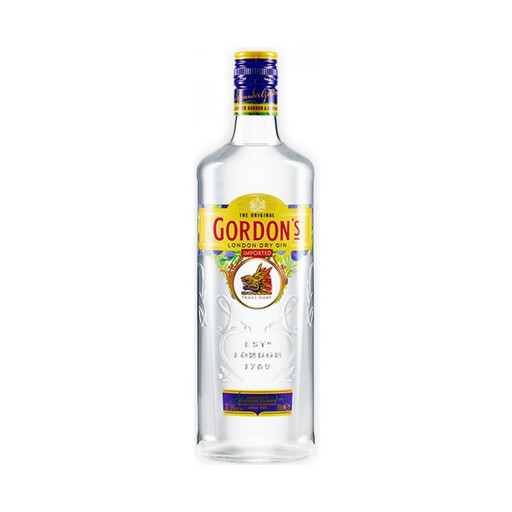
Why this product suits the profile: The 0.7-litre bottle at 37.5% ABV is a manageable size for classic gin and tonic variations and simple cocktails.
The clear volume and alcohol information makes planning easier and prevents you from buying a pack that’s too large for a small occasion.
London Dry Gin profile with juniper, coriander and other botanicals; suitable for gin and tonic and mixed drinks.
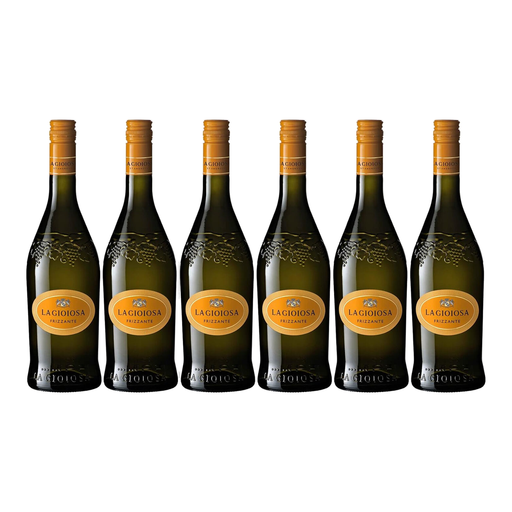
Why this product suits the profile: This six-bottle pack from Italy offers 4.5 litres of frizzante for receptions, dinners or several small celebrations.
Pack size, 10% ABV and recommended chilling to 8–10 °C are clearly stated; sulphites are listed as an allergen.
Fruity notes, fine perlage and six glass bottles of 0.75 litres each for easy, planned serving.
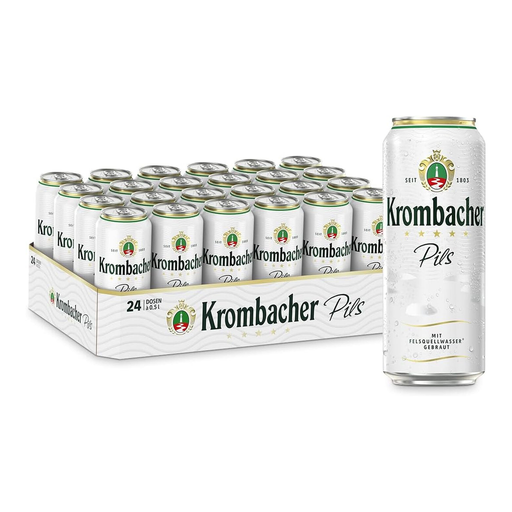
Why this product suits the profile: The 24-pack with 0.5-litre units is aimed at households, parties and events with a predictable beer requirement.
The total volume of 12 litres and the alcohol content of 4.8% ABV can be calculated in advance; barley malt is listed as an allergen.
Pilsner with 24 individual units; for storage and serving, the requirement per bottle is easy to calculate.
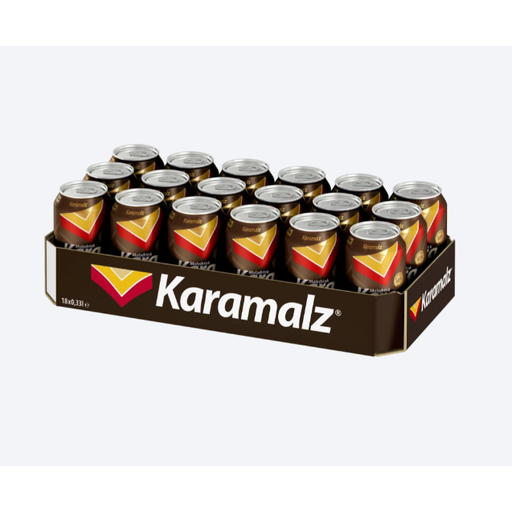
Why this product suits the profile: The 18-pack with 0.33-litre cans is suitable for households, events and anyone looking for a low-alcohol alternative.
The stated alcohol content of 0.01% ABV and the ingredients list provide clarity; barley malt is listed as a gluten-containing grain.
18 individual servings, 0.33 litres per can and recommended chilling to 6–8 °C.
We’ve put together a full, regularly updated list of products that fully meet these strict selection criteria and the safety regulations in force in the EU.
For cocktails and long drinks, vodka, gin, rum, liqueur or aperitif are commonly used. The choice depends on the recipe and the desired flavour profile. Gin, for example, brings juniper notes, while vodka provides a more neutral base. Before you buy, check that the alcohol content and bottle size match the number of servings you plan to make.
Unopened spirits can often be stored for a long time in a cool, dry place away from light. For opened products, follow the manufacturer’s instructions. Cream liqueurs should be refrigerated after opening and consumed within the stated period. Sparkling wine loses its fizz more quickly once opened and should be drunk soon after.
The price per litre is the most important figure for comparison. You should also factor in delivery costs, deposit, pack size and the number of individual units. For parties, a bulk pack may work out cheaper, while a single bottle ties up less storage space and capital if you only drink occasionally. Always drink alcohol responsibly, and only purchase it if you are of the legal age permitted in your country.