
Lieferung heute & morgen

Qualitätsgarantie

Willkommens-Angebote freischalten: KOSTENLOSE Lieferung | Bis zu 80 % RABATT | Kostenlose 30-Tage-JoyPlus-Testphase
App herunterladen
Fine lines, dry skin and reduced elasticity change the requirements of daily facial care. An anti-ageing face cream can moisturise the skin and help it look smoother. However, it is not a substitute for medical treatment and cannot permanently reverse age-related changes.
When shopping, three common marketing pitfalls in particular can lead to poor decisions:
When choosing a face cream for wrinkles, it is worth checking the full ingredients list. Commonly used ingredients with different functions include:
If you are sensitive to fragrance, look out for declarable fragrance allergens such as Limonene, Linalool, Geraniol or Citronellol. The current INCI list on the packaging is authoritative, as formulas may change.
A day cream for mature skin should spread easily under make-up or sun protection. Descriptions such as “lightweight texture” or “quickly absorbed” are useful points of reference, but they are not guaranteed properties for every skin type.
An anti-wrinkle night cream can have a richer formula if your skin tends to feel tight or dry in the evening. If you already use a retinol serum or retinol cream, do not automatically combine several vitamin A products. Introducing only a few active products gradually makes it easier to assess how well your skin tolerates them.
20 ml, 30 ml, 50 ml and 130 ml differ considerably in how long they will last. A small intensive treatment is often enough for targeted application, while a face cream used on the face, neck and décolleté will be used up more quickly.
The following points are also important:
The following selection groups products according to specific usage situations. Information about ingredients and product features is based on the product information provided. If details conflict, check the packaging.
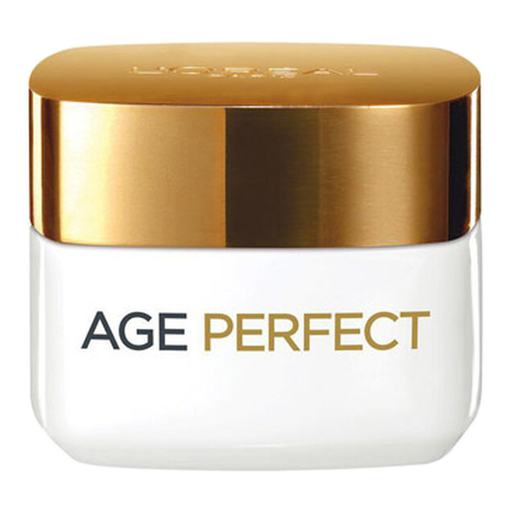
Why this product suits this profile: The 50 ml day cream is designed for daily use and, according to the product description, is suitable for all skin types, particularly mature skin.
This choice is based on its clearly stated use as a day cream, rather than solely on a general anti-ageing claim. Separate sun protection is still required.
50 ml; moisturising day cream with a smooth, fast-absorbing texture according to the product information.
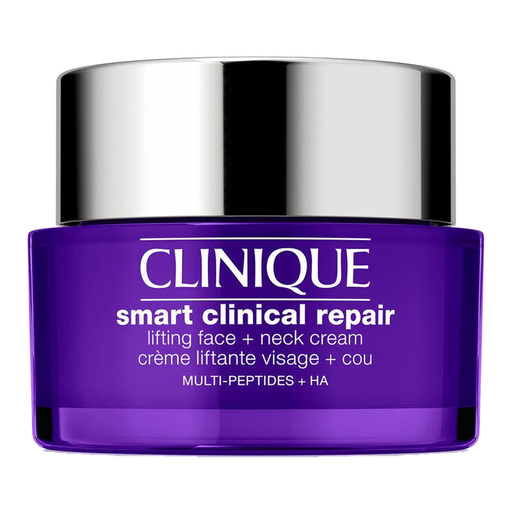
Why this product suits this profile: The formula is intended for the face and neck and contains, among other ingredients, shea butter, jojoba oil, glycerin, Sodium Hyaluronate and peptides.
The product information lists specific ingredients and the intended use. This makes it easier to assess whether rich skincare and peptides fit into your routine.
50 ml; use in the morning and evening; face and neck are clearly stated areas of application.
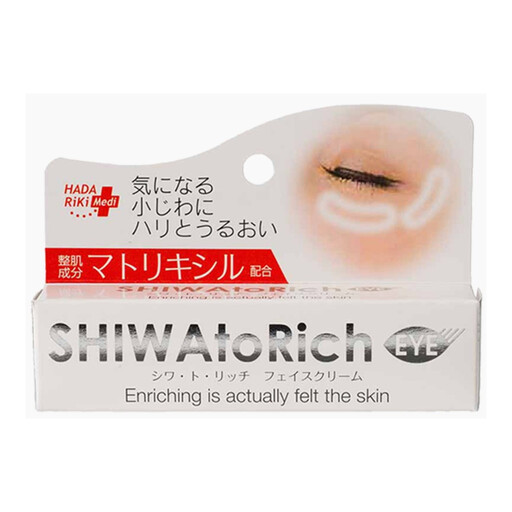
Why this product suits this profile: According to the product description, the small 20 g cream is suitable for targeted application around the eyes, on nasolabial lines and on the forehead, rather than necessarily being spread over the entire face.
The product information lists retinol-related ingredients and specific precautions. This makes it sensible to start slowly, use sun protection and carry out a tolerance test.
20 g; Squalane, Glycerin and Glycosyl Trehalose according to the INCI information; can be used morning and evening.
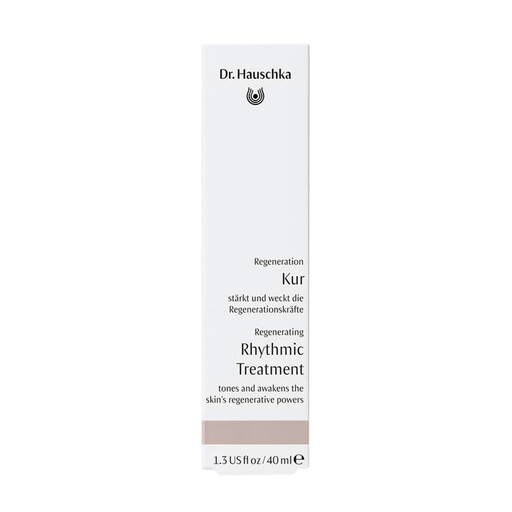
Why this product suits this profile: The ampoule treatment is designed as a 28-day evening course and is aimed at people who prefer a time-limited intensive treatment rather than a daily cream.
The duration and quantity of use are clearly described. This makes it easier to incorporate the treatment into an existing routine without introducing several active products at once.
40 ml; 28-day course; plant extracts such as ginkgo, hawthorn and Madonna lily according to the product description.
We have put together a complete, regularly updated list of products that fully meet these strict selection criteria and the safety regulations applicable in the EU.
For dry skin, formulas containing glycerin, hyaluronic acid, squalane, shea butter or plant oils may be suitable. The most important factor is how your skin feels after application: the cream should not leave your skin feeling persistently tight, sticky or severely irritated. A rich night cream can be used alongside a lighter day cream.
New retinol products should initially be applied, for example, on two or three evenings a week, unless the product instructions specify otherwise. If your skin tolerates it well, you can gradually adjust the frequency. Sun protection is advisable during the day. If irritation persists, stop using the product and seek dermatological advice if necessary.
The PAO symbol, best-before date and instructions on the packaging are decisive. Heat, direct sunlight and frequently touching the product can affect its quality. Creams should be stored in a dry place, kept tightly closed and stored in accordance with the manufacturer’s instructions.