
Lieferung heute & morgen

Qualitätsgarantie

Willkommens-Angebote freischalten: KOSTENLOSE Lieferung | Bis zu 80 % RABATT | Kostenlose 30-Tage-JoyPlus-Testphase
App herunterladen
The culture of the aperitif is more than just a pre-dinner drink; it's a ritual that marks the end of the workday and sets the stage for social gatherings. But anyone looking to buy an aperitif is often faced with an overwhelming selection. Eye-catching bottles and marketing slogans can be misleading, tempting you into a purchase that doesn't suit your taste or intended use. This guide will help you avoid common pitfalls and make an informed decision.
Before choosing a bottle, it's helpful to know the most common mistakes that often lead to disappointment and a barely used bottle in the cabinet.
To find the right aperitif, you should check three objective criteria. These will help you cut through the marketing jargon and assess a product's quality and suitability.
The foundation of an aperitif largely determines its character. There are three main categories:
The aroma is crucial. Pay attention to the manufacturer's description to classify the profile:
The alcohol content is an indicator of intensity and shelf life.
Here are three recommendations tailored to different preferences and use cases.
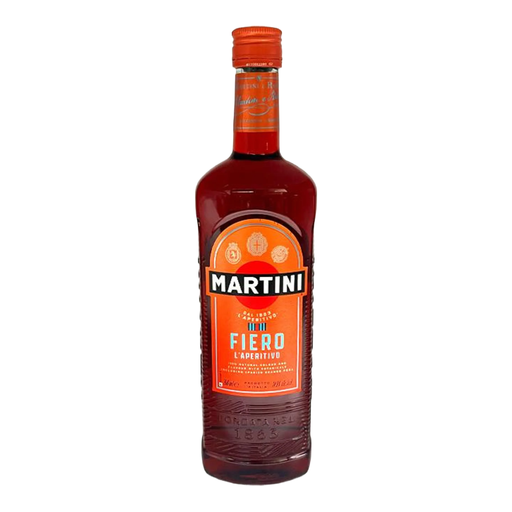
Why it's a great fit: Ideal for anyone who appreciates simple and refreshing drinks. Its fruity-bitter profile with notes of blood orange is modern and was specifically designed to be mixed with tonic water, making it an excellent base for a quick summer aperitif.
It avoids the "one-trick pony" trap by working not only in a spritz with prosecco but also simply with tonic water. This makes it more versatile for spontaneous occasions.
A balanced profile of fruity sweetness and a delicate bitterness. The alcohol content of 14.5% ABV makes for a light drink.
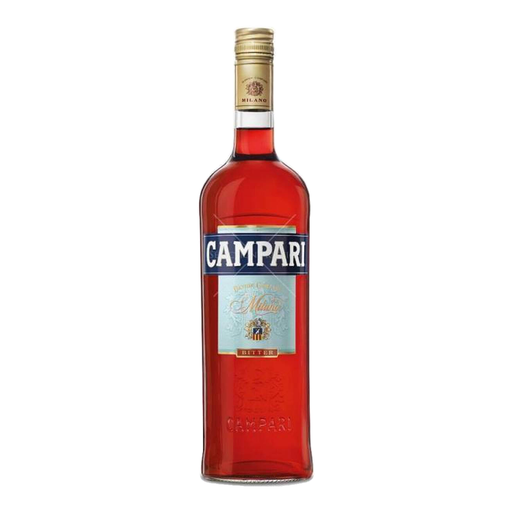
Why it's a great fit: For lovers of traditional aperitivo culture, Campari is an essential ingredient. Its distinctive, bittersweet profile is the soul of classics like the Negroni, Americano, or Boulevardier. Anyone planning to stock their home bar with authentic cocktail ingredients can't go wrong with this product.
This product is the opposite of a short-lived trend. Its relevance is built on over 150 years of cocktail history. Choosing Campari is an investment in a timeless classic.
Made from a secret recipe of herbs and fruits. The alcohol content of 25% ABV ensures an intense aroma and a long shelf life.
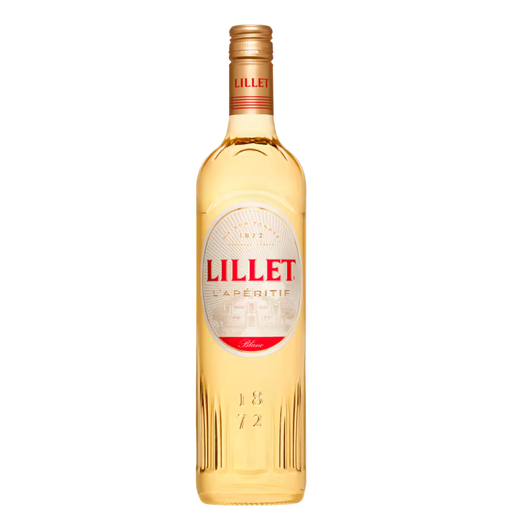
Why it's a great fit: Those looking to buy Lillet are often seeking a lighter, less bitter alternative. This French, wine-based aperitif offers subtle notes of candied orange, honey, and exotic fruits. It's an excellent choice for anyone wanting to explore the world of aperitifs beyond Italian bitters.
It solves the problem of an unsuitable flavour profile. Instead of a dominant bitter taste, Lillet offers a wine-like freshness that is also delightful neat on ice or with just a few ingredients.
Made from Bordeaux-region wines and fruit extracts. The alcohol content of 17% ABV makes it a light and refreshing choice.
We've compiled a complete, up-to-date list of products that fully meet these strict selection criteria and UK regulations.
The shelf life depends on the base. Wine-based aperitifs and vermouths (e.g., Lillet, Martini) should be stored in the refrigerator after opening and consumed within 3 to 4 weeks, as they can oxidise and lose their aroma. Bitter liqueurs with a higher alcohol content (e.g., Campari) can last for many months or even years at room temperature if sealed tightly.
For newcomers, an aperitif with a balanced and not overly dominant flavour profile is recommended. Products like Lillet Blanc or Martini Fiero are a great choice, as their fruity and slightly sweet notes are very approachable. They can be easily mixed with tonic water or prosecco and don't require complex recipes.
Yes, many aperitifs are designed to be enjoyed neat over ice. This is an excellent way to discover the complexity of their flavours. A slice of orange or lemon as a garnish can further enhance the taste. Particularly high-quality vermouths or bitter liqueurs reveal their full character when served this way.