
Lieferung heute & morgen

Qualitätsgarantie

Willkommens-Angebote freischalten: KOSTENLOSE Lieferung | Bis zu 80 % RABATT | Kostenlose 30-Tage-JoyPlus-Testphase
App herunterladen
By the Joybuy Product Recommendation Officer, August 28, 2026
The culture of the aperitif is firmly established in modern life. Whether as a prelude to dinner with friends or as a refreshing drink on a warm summer evening, a well-chosen aperitif sets the right tone. But the growing selection can make the decision difficult. Anyone looking to buy an aperitif often faces a shelf full of bottles making similar promises. To avoid disappointment and buyer's remorse, it helps to know the most common pitfalls.
Two common assumptions often lead to an unsuitable choice:
To find the right aperitif for your own taste and occasion, three objective criteria should be at the heart of your decision.
The flavour profile is the deciding factor. Aperitifs can be roughly divided into four categories:
The alcohol content influences not only the strength but also the flavour intensity and mouthfeel of a drink.
The foundation of an aperitif significantly shapes its character. Wine-based aperitifs, like the French Lillet, are often more floral and lighter. Spirit-based bitter aperitifs from Italy, such as Ramazzotti or Aperol, are based on a maceration of herbs and fruits in alcohol and are typically bolder in taste.
Instead of a one-size-fits-all recommendation, we present options tailored to different profiles and use cases.
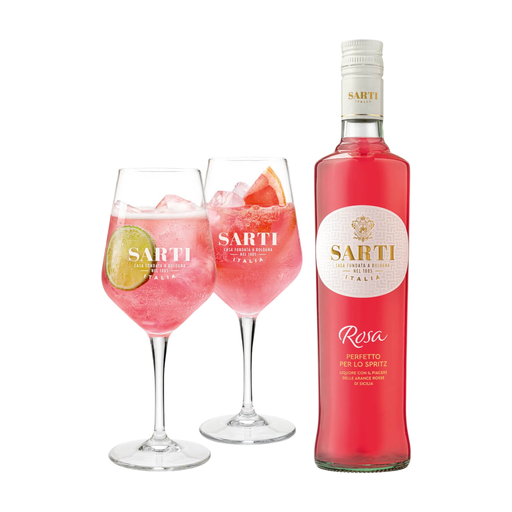
Why This Fits Their Persona: Ideal for those who want to mix simple, visually appealing spritz drinks for social gatherings. The flavour is intentionally approachable, fruity, and sweet.
It sidesteps the "fruity-equals-sweet" trap by delivering exactly that: a fruity-sweet profile with notes of blood orange and passion fruit, positioned as a mild alternative to bitter classics.
Low alcohol content (14% ABV) and a very approachable flavour profile. Easy to mix with prosecco and soda to create a Sarti Spritz.
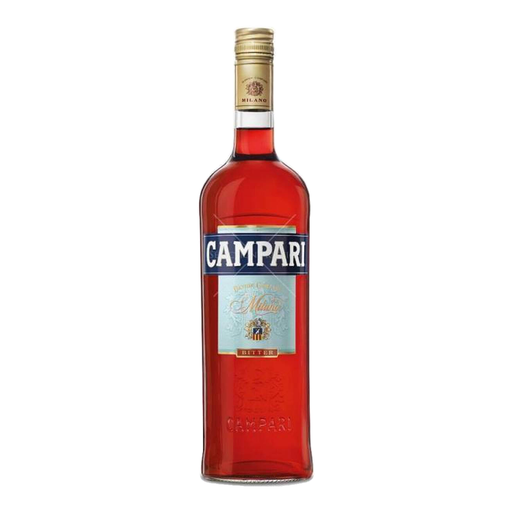
Why This Fits Their Persona: For anyone building a home bar with timeless classics who appreciates the authentic, bittersweet taste of a true Italian aperitif.
This profile specifically seeks out that bold, bitter flavour. The choice is intentional, avoiding the trap of buying an overly sweet aperitif. Campari is an indispensable ingredient, not a one-hit wonder.
A distinctive, complex bitter profile and the foundation for world-famous cocktails like the Negroni, Americano, or Campari Spritz. A cornerstone of any serious bar.
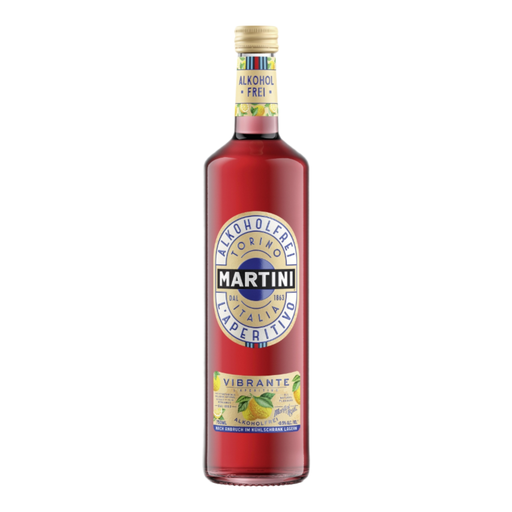
Why This Fits Their Persona: Perfect for hosts and connoisseurs seeking a sophisticated, complex-tasting alternative to alcoholic drinks at social events—something that goes beyond juice or soda.
This product specifically meets the demand for a high-quality non-alcoholic aperitif. It avoids the compromise of resorting to sugary soft drinks when choosing to abstain from alcohol.
Offers a complex, citrus-forward flavour profile based on de-alcoholised wine. At under 0.5% ABV, it's a genuine alternative for mindful enjoyment.
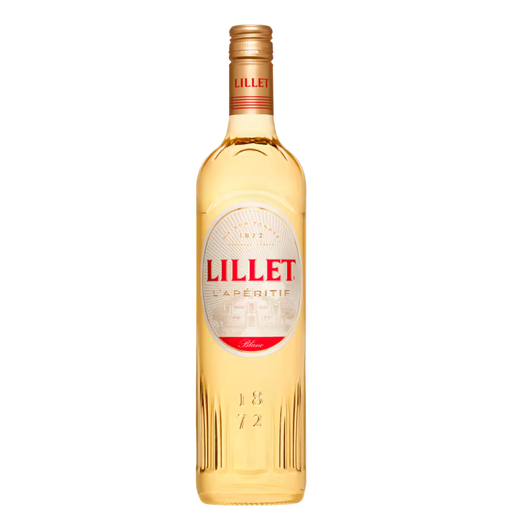
Why This Fits Their Persona: For those seeking a stylish and versatile alternative to typical Italian bitters. Lillet offers a French, wine-based elegance suitable for a variety of occasions.
Lillet bypasses the expectation of a bitter aperitif by being clearly positioned as wine-based. It avoids the "single-use" trap with its versatility—from a Lillet Wild Berry to a Vesper Martini or simply enjoyed neat.
Made from a wine base, it offers a subtle, refreshing profile with notes of candied orange, honey, and exotic fruits. Extremely versatile.
We've compiled a complete, up-to-date list of products that meet these strict selection criteria and quality standards.
The shelf life depends heavily on the type of aperitif. As a rule of thumb:
The terms refer to when the drink is enjoyed. An aperitif is drunk before a meal to stimulate the appetite. It is often light, refreshing, and may have a bitter note. A digestif is served after a meal and is intended to aid digestion. Digestifs are often herbal liqueurs (amaro) like Ramazzotti Amaro, which are typically darker, sweeter, and more complex in flavour.
Basically, yes. The classic formula for spritz drinks—typically 3 parts prosecco, 2 parts aperitif, 1 part soda water—is very flexible. However, the result depends entirely on the chosen aperitif. A spritz with Campari will be significantly more bitter and robust than a version with the fruity-sweet Sarti Rosa or the floral Lillet. Experimenting with different cocktail ingredients is highly encouraged to find your personal favourite.