
Lieferung heute & morgen

Qualitätsgarantie

Willkommens-Angebote freischalten: KOSTENLOSE Lieferung | Bis zu 80 % RABATT | Kostenlose 30-Tage-JoyPlus-Testphase
App herunterladen
An aperitif is more than just a drink—it's the prelude to a social evening, a fine meal, or a moment of relaxation. But when you set out to buy an aperitif, you're often faced with a vast shelf of bottles, all promising a delightful experience. The sheer variety can be overwhelming, and it's not uncommon to make a choice you later regret. As your Joybuy Product Recommendation Officer, I'm here to help you navigate the common pitfalls and make an informed decision.
Marketing messages can often promise more than the product delivers. Pay attention to these three points to avoid disappointment:
To find the right aperitif, you should consider three fundamental parameters. These will help you filter the options and make a choice that suits your taste and the occasion.
The foundation of an aperitif is the primary determinant of its character. There are three main types:
The spectrum of flavours is broad. Consider which notes you prefer:
The alcohol content is not just a number; it also influences the taste and suitability for certain occasions.
Instead of making a blanket recommendation, we have matched products to different profiles and occasions.
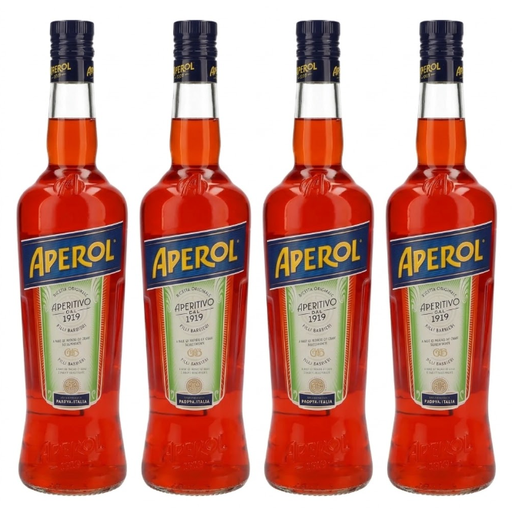
Why this product is a match: Ideal for anyone who wants to easily mix a popular and refreshing drink for friends. The Aperol Spritz is a guaranteed crowd-pleaser and requires no prior bartending skills.
Aperol has a clearly defined, bittersweet profile and doesn't overpromise on versatility. Its purpose is clear: to be the foundation of the perfect spritz.
Globally recognised base for the Aperol Spritz; a lighter aperitif at 11% ABV; balanced bittersweet flavour profile.
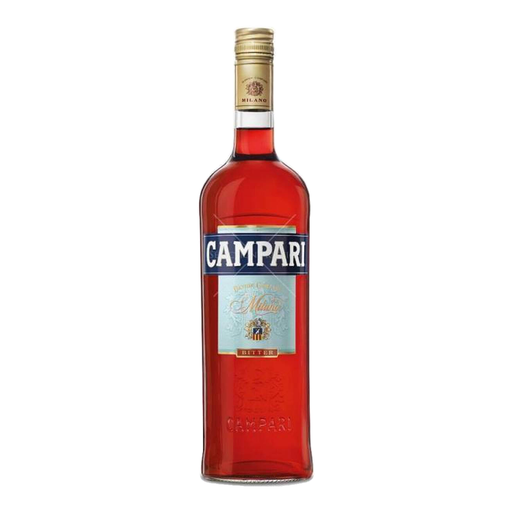
Why this product is a match: For lovers of a pronounced, bitter flavour profile. Campari is the soul of classics like the Negroni or Americano and represents authentic Italian aperitif culture.
The 1860 recipe is based on the maceration of dozens of herbs and fruits. Here, you get genuine flavour complexity instead of simple "aromas".
Intense, bittersweet profile with citrus notes; a strong base for cocktails at 25% ABV; versatile enough to be mixed with juices or soda.
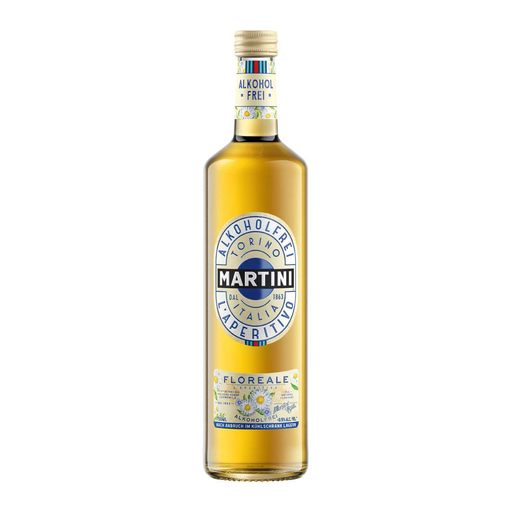
Why this product is a match: For those who choose to avoid alcohol but still want a complex, sophisticated flavour. Perfect for offering guests a high-quality alternative.
This product is not a sugary soda. Its base of de-alcoholised wine and botanicals like Roman chamomile provides a complexity that avoids the sugar trap.
Alcohol content of <0.5% ABV; complex, floral flavour profile; based on de-alcoholised wine and high-quality botanical extracts.
We have compiled a complete, up-to-date list of products that meet these strict selection criteria and quality standards.
An aperitif is enjoyed before a meal to stimulate the appetite. It is typically light, refreshing, and often bitter or dry. Examples include an Aperol Spritz or a Lillet. A digestif is served after a meal to aid digestion. It is usually richer, sweeter, or more herbaceous, such as a Ramazzotti Amaro or a sweet liqueur.
Proper storage depends on the base. Spirit-based aperitifs like Campari or Aperol have a long shelf life when stored at room temperature and sealed tightly. Wine-based aperitifs like Lillet should be refrigerated after opening and consumed within about four weeks to maintain their freshness. Always check the label for specific instructions.
Yes, the world of spritz variations is vast. For a more bitter note, you can use Campari. For a fruity and floral alternative, Lillet Blanc works well, especially when mixed with tonic water to create a Lillet Wild Berry. If you prefer something fruity and sweet, Sarti Rosa can be used as the base for a pink spritz. Experiment to find your personal favourite combination.