
Lieferung heute & morgen

Qualitätsgarantie

Willkommens-Angebote freischalten: KOSTENLOSE Lieferung | Bis zu 80 % RABATT | Kostenlose 30-Tage-JoyPlus-Testphase
App herunterladen
The culture of the aperitif, once a Mediterranean ritual, has firmly established itself in modern social life. Whether as a prelude to dinner, at a gathering with friends, or as a refreshing drink on a warm afternoon—the aperitif is a symbol of conviviality and pleasure. However, the growing selection can quickly become overwhelming. Anyone looking to buy an aperitif often faces a shelf full of bottles whose differences are not always apparent at first glance.
Many buyers rely on familiar names or eye-catching colours, which often leads to disappointment. To avoid making the wrong purchase, it's helpful to know the most common pitfalls:
To find the right aperitif, you should consider three central characteristics. These will help you make an informed decision that matches your taste and the planned occasion.
The flavour profile is the most important selection criterion. Aperitifs can be roughly divided into three categories:
The alcohol content is a crucial factor that influences both taste and effect.
Consider how you want to serve the aperitif. Some products are extremely versatile, while others are designed for specific drinks. A Lillet Blanc can be enjoyed neat on ice, with tonic water, or as an ingredient in cocktails like the Vesper Martini. Aperol, on the other hand, is inextricably linked with the Aperol Spritz but also works well in other mixed drinks. If you value flexibility, look for a product that allows for various serving options.
Based on the criteria mentioned, we have compiled a selection of products for different profiles and occasions.
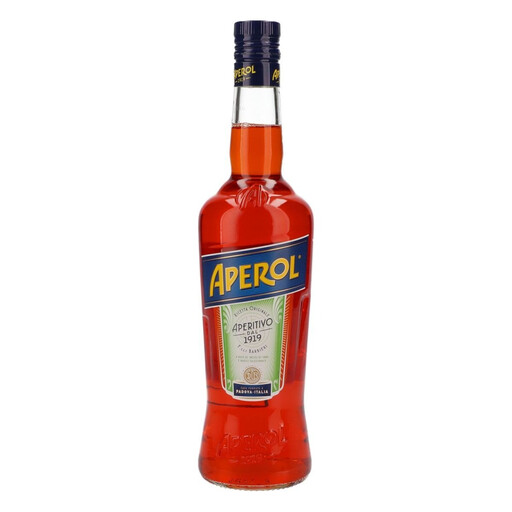
Why this product is a match: Ideal for anyone who loves to host guests and offer straightforward yet popular Spritz drinks. Aperol is the epitome of the Italian aperitivo feeling and a guaranteed hit at any party.
When you buy Aperol, you are deliberately choosing the bittersweet profile that is essential for the classic Aperol Spritz. It's not a random choice, but the targeted purchase of a key ingredient.
Balanced bittersweet flavour profile with 11% ABV. The bright orange colour and characteristic taste make it unmistakable.
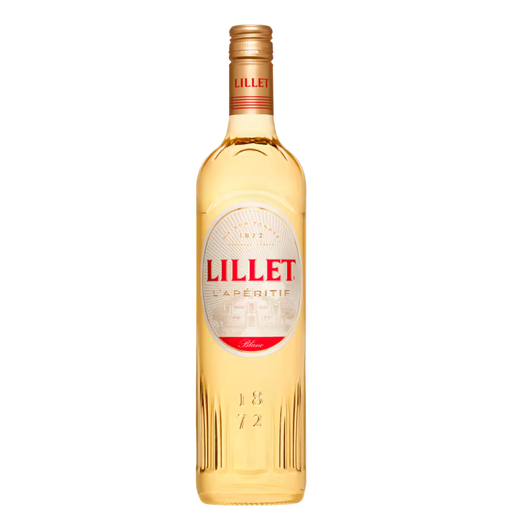
Why this product is a match: For connoisseurs who prefer a more subtle, fruitier, and less bitter aperitif. Lillet embodies the French art of living and is perfect for light, elegant drinks like the Lillet Vive.
This product bypasses the "bitter trap" by building on a wine base with fruit infusions. The result is a slightly sweet and fruity profile that also appeals to newcomers.
Highly versatile: neat on ice, with tonic, or in cocktails. Notes of candied oranges, honey, and exotic fruits with a moderate 17% ABV.
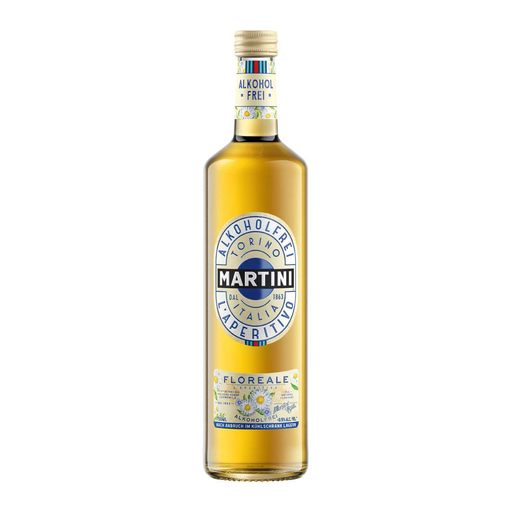
Why this product is a match: The ideal choice for anyone seeking the full aperitif experience without the alcohol. Perfect for offering all guests a sophisticated alternative without sacrificing complexity in flavour.
This product solves the problem of finding a flavourful, alcohol-free option. It's more than just a juice; it's a carefully composed alcohol-free aperitif based on dealcoholized wine.
Complex, floral flavour profile with notes of Roman chamomile and bergamot. The alcohol content is <0.5% ABV, making it a true alternative.
We have compiled a complete, up-to-date list of products that fully meet these strict selection criteria and local regulations.
An aperitif is served before a meal to stimulate the appetite. It tends to be lighter, drier, or more bitter. Examples include an Aperol Spritz or a dry vermouth. A digestif is served after a meal and is intended to aid digestion. It is often sweeter, more herbaceous, and has a higher alcohol content. Classic digestifs include herbal liqueurs like Ramazzotti Amaro or grappa.
The correct storage depends on the product's base.
For beginners looking to ease into the world of aperitifs, fruitier and less bitter options are often a great choice. Products like Lillet Rosé, Sarti Rosa, or a Limoncello Spritz offer an approachable and refreshing taste experience that isn't immediately overwhelming with intense bitter notes.