
Lieferung heute & morgen

Qualitätsgarantie

Willkommens-Angebote freischalten: KOSTENLOSE Lieferung | Bis zu 80 % RABATT | Kostenlose 30-Tage-JoyPlus-Testphase
App herunterladen
If you want to buy Asian alcoholic drinks online, you’ll find a huge selection in German online retail: Chinese Baijiu, Shaoxing rice wine, Korean Soju, Makgeolli rice wine, Asian beer, plus international wines, aperitifs and ready-to-serve cocktails. But the product names alone don’t tell you whether a drink suits your taste, the occasion or your menu.
Rice wine, at around 6 to 15% ABV, is often drunk very differently from distilled spirits at 45 to 53% ABV. With Chinese Baijiu in particular, the alcohol content can be significantly higher than wine or beer. So checking the “Alc. % Vol.” label should be one of your first steps.
Traditional production methods, long ageing or a well-known origin can be interesting clues, but they don’t replace concrete product details. What really matters includes the type of rice or grain, alcohol content, bottle size, allergens and recommended serving temperature.
A single 500 ml bottle might be perfect for a quiet tasting evening or as a gift. For a party, however, multi-packs, Asian beer or an Aperol Spritz bundle could be more practical. With ready-to-serve cocktails, you should also check whether they’re ready to pour straight away or need ice, soda or a garnish.
First, sort the product into a category:
The information per 100 ml makes it easier to compare energy and nutritional values. It shouldn’t be confused with a health rating.
For grain-based products, the ingredients are especially important. According to product information, Shaoxing rice wine may contain water, glutinous rice, wheat and natural yeast. Baijiu is often made from sorghum, rice, glutinous rice, wheat, maize or barley. Makgeolli can also contain wheat or gluten-containing grains.
If you need to avoid allergens, check the labelling on the product page and packaging before ordering. Wine and sparkling wine often list sulphites. Claims like “vegan” or “vegetarian” should also be verified directly in the product information.
Origin and producer can help you place the product, but they aren’t a guarantee of quality on their own. What’s practically important are:
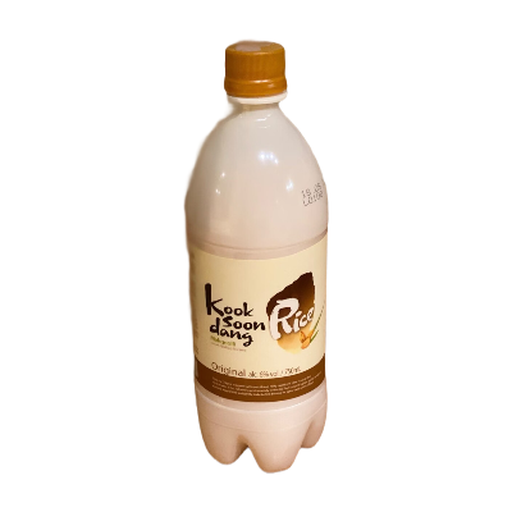
Why this product fits the profile: At 6.0% ABV and 750 ml, this Korean rice wine is an accessible introduction to the world of fermented specialities. According to product information, it’s lightly sweet, creamy and slightly sparkling.
The clearly stated alcohol content prevents a fermented drink from being mistaken for a high-proof spirit. The product page also lists wheat as an allergen.
750 ml bottle, 6.0% ABV and a recommendation to serve chilled; pairs well with Korean dishes.
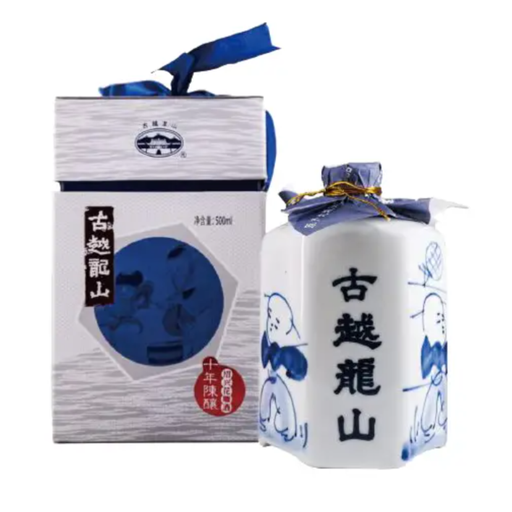
Why this product fits the profile: According to product information, this Chinese rice wine has 14.5% ABV and is described as a ten-year-aged, semi-dry Hua-Diao variety.
There are no hidden assumptions about grape variety or spirit strength here: ingredients, alcohol content, origin China and wheat allergen are all clearly stated.
500 ml, 14.5% ABV and serving tips for gentle warming and pairing with robust dishes.
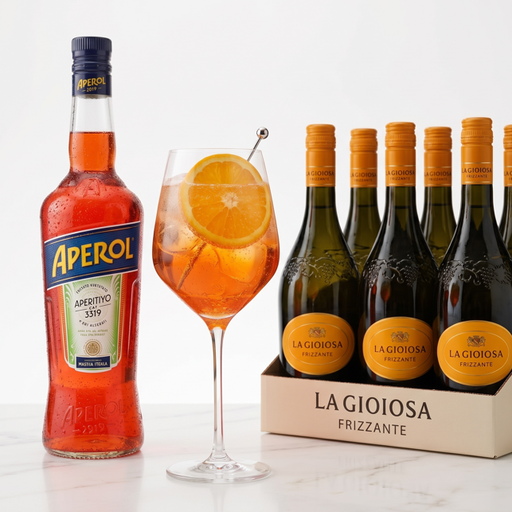
Why this product fits the profile: This bundle combines an Italian aperitif with six bottles of Frizzante and is designed for larger gatherings or pre-prepared aperitif rounds.
The quantities included and the intended mix of aperitif, Frizzante, soda and ice are clearly stated. This makes it easier to realistically plan what you need for a party.
700 ml Aperol and 4.5 litres of Frizzante; a specific recipe ratio of 3 parts Frizzante, 2 parts aperitif and soda.
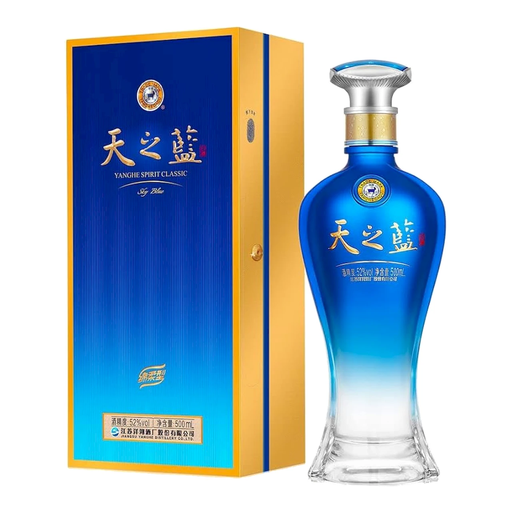
Why this product fits the profile: At 52% ABV, this Chinese Baijiu is aimed at adults who want to serve a high-proof spirit in small portions alongside Chinese dishes.
The alcohol content of 52% ABV is clearly stated. The ingredients from several types of grain, plus wheat, barley and pea allergens, are also listed in the product information.
500 ml, strong aroma category and recommended tasting at room temperature in small ceramic cups.
We’ve put together a complete, regularly updated list of products that fully meet these strict selection criteria and the safety regulations in force in the EU.
Depending on the occasion, other categories might also be suitable:
For all alcoholic drinks, the following applies: sale and ordering are restricted to alcoholic drinks for ages 18 and over, or the legally applicable age limit for the product category. Alcohol should be consumed responsibly. Alcoholic drinks should be avoided during pregnancy and breastfeeding. After opening, product information on refrigeration and prompt consumption is decisive.
First, look for a moderate alcohol content and a clear serving recommendation. Makgeolli at 6.0% ABV or a rice wine at 14.5% ABV is very different from Baijiu at over 50% ABV. A smaller bottle makes it easier to choose if you’re not yet familiar with the drink.
Unopened products should be stored cool, dry and away from light, according to the label instructions. Spirits are usually stored upright. After opening, rice wine and sparkling wine can lose freshness more quickly, so refrigeration and prompt consumption are advisable. The specific best-before or use-by date on the packaging is what matters.
For a party, it’s best to calculate based on bottle size, serving style and number of guests. Multi-packs of beer or an aperitif bundle are easier to plan for than individual bottles of speciality drinks. With high-proof Baijiu, the focus shouldn’t be on the number of bottles, but on the alcohol content and the intended small serving size.