
Lieferung heute & morgen

Qualitätsgarantie

Willkommens-Angebote freischalten: KOSTENLOSE Lieferung | Bis zu 80 % RABATT | Kostenlose 30-Tage-JoyPlus-Testphase
App herunterladen
If you’re looking to buy Asian buns online, you’ll find a huge selection: steamed dumplings with meat fillings, Hong Kong buns with coconut or cheese, Korean cream buns and sweet varieties with red beans, chocolate or milk cream. However, the differences aren’t just about taste. How they’re prepared, stored, their allergens and portion size all determine whether a product fits into your daily routine.
Bao buns and other steamed dumplings can be sold as frozen products, shelf-stable individual pastries or baking mixes. A frozen product usually needs a steamer or a suitable saucepan with a steaming insert. Ready-to-eat filled buns, on the other hand, can often be enjoyed at room temperature or after a quick warm-up.
Before you buy, you should know:
With char siu bao, dim sum buns or Hong Kong buns, the percentage of filling is an important point of comparison. A product that shows visible filling in the picture doesn’t automatically mean it has a high filling content. The ingredients list and quantity details on the product page or packaging are more reliable.
For the products mentioned, the range varies from 15% BBQ pork in the St.Anny Hong Kong Style BBQ Pork Bun to 19% cheese in the Hong Kong Style Ham Cheese Bun. Sweet products also give specific details, such as 25% red bean paste in the Hong Kong Style Bean Paste Pineapple Bun.
Many Chinese buns, Hong Kong buns and Korean cream buns contain wheat or gluten. Depending on the recipe, they may also include soya, milk, egg, sesame, nuts, shellfish or mustard. Plant-based cream buns aren’t automatically free from allergens either: the Korean varieties from Shinsegae Food, for example, contain wheat and soya and may, according to product information, contain traces of other allergens.
For frozen products, the general rule is: keep the cold chain, do not refreeze and consume promptly after defrosting. Always follow the information on the current packaging.
For a quick snack, buns that can be eaten straight away or warmed up briefly are ideal. Frozen bao buns require more planning. According to the product information, the Delico Cha Sieuw Bao is steamed from frozen for around 8 to 10 minutes. The Delico Chaoqun Dim Sum Vegetable Meat Buns need about 10 to 12 minutes.
A baking mix is a different product category: with the MIKKO Steamed Bun Mix, you add water and the included yeast. The dough is then kneaded, left to rest, filled and steamed. This is suitable for households that want to decide on portion size and filling themselves.
Don’t just compare the flavour, but also:
Nutritional values usually refer to 100 g and not to the whole individual bun. A bun weighing 85 g, 100 g or 125 g is therefore not directly comparable with another product in the same way.
Individual portions are ideal for breakfast, the office and snacks between meals. Larger packs of 270 g or a 1 kg baking mix are better suited for families, stocking up or several people. If you want to try different flavours, you can start with individual Hong Kong buns and then choose a larger frozen pack.
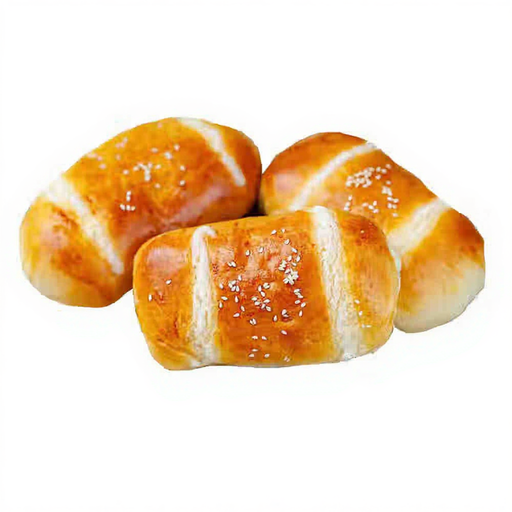
Why this product fits the profile: The single 100 g bun offers a straightforward introduction to sweet Hong Kong buns and is ideal for breakfast or afternoon breaks.
The single portion makes the required quantity and storage easy to manage. According to the information, the product is briefly warmed before eating.
Coconut filling, 100 g portion and clear information on wheat, egg and milk.
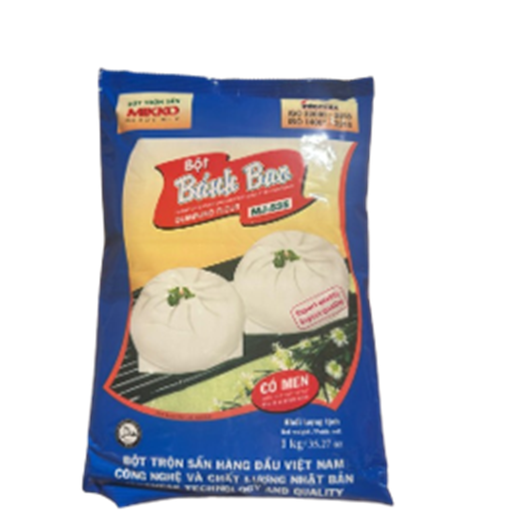
Why this product fits the profile: The baking mix allows you to make bánh bao at home with your own filling and individually chosen portion sizes.
The product description lists ingredients, preparation steps and a potential yield of around 10 to 20 medium-sized buns.
1 kg pack with wheat flour, soya powder and dried yeast; suitable for both sweet and savoury fillings.
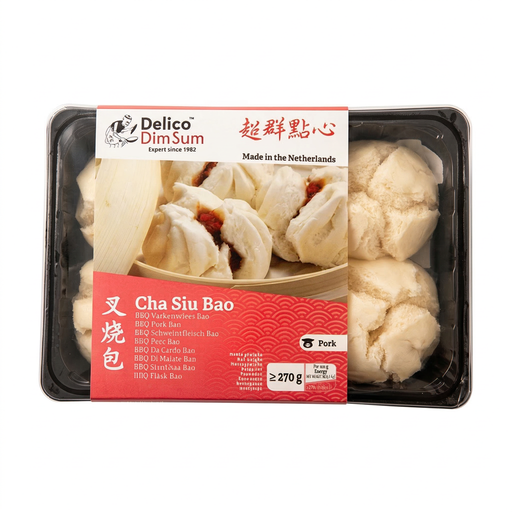
Why this product fits the profile: The frozen pack with char siu filling is designed for several snacks or a small meal.
The required preparation time of 8 to 10 minutes from frozen is stated. This means you can assess the effort involved before buying.
270 g pack, pork filling and preparation in a steamer basket straight from the freezer.
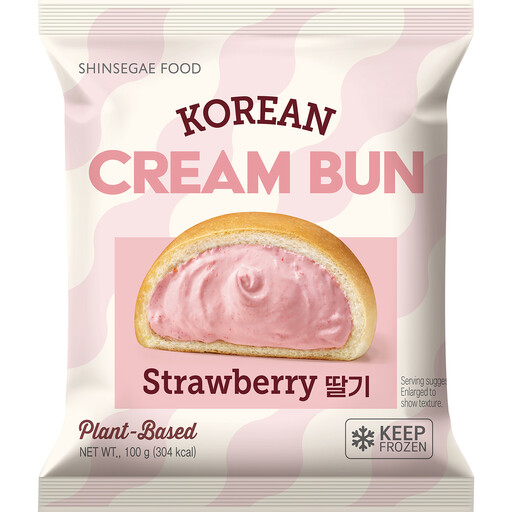
Why this product fits the profile: The Korean cream bun combines a fermented rice dough base with plant-based cream and strawberry filling.
The product information explicitly states the plant-based cream as well as wheat and soya allergens. It is stored frozen.
100 g individual portion, strawberry filling and defrosting instructions of 10 to 30 minutes.
Frozen bao buns are usually prepared in a steamer basket. Place them with space between them on baking paper or a suitable surface so the steam can circulate. The exact time depends on the size and product. For a safe result, the buns should be fully heated through. The manufacturer’s instructions on the packaging take priority.
That depends on the product type. Frozen buns can be stored at -18 °C or below until the stated best-before date. Opened or defrosted products should be consumed quickly according to the respective instructions. Shelf-stable sweet buns are usually stored in a dry place, protected from direct sunlight. Before buying, check the available space in your freezer and the best-before date.
Not every sweet or savoury variety is vegetarian. Char siu bao, sausage buns and vegetable-meat buns contain meat. Some Korean cream buns are made with plant-based cream but still contain wheat and soya. For a vegan choice, you need to carefully check the ingredients list, allergen information and labelling of the specific product.