
Lieferung heute & morgen

Qualitätsgarantie

Willkommens-Angebote freischalten: KOSTENLOSE Lieferung | Bis zu 80 % RABATT | Kostenlose 30-Tage-JoyPlus-Testphase
App herunterladen
If you're looking to buy Asian chilli sauce online, you'll find a huge selection: chilli paste, sambal oelek, gochujang, sriracha, chilli crisp, chilli oil and doubanjiang all differ significantly in ingredients, consistency and how they're used. However, a flashy packet or the label "extra hot" doesn't tell you whether the sauce actually works with rice, noodles, marinades or stir-fries.
A very hot sauce isn't automatically versatile. Products with a high chilli or pepper content can work well for dips, whereas fermented pastes like gochujang or doubanjiang also bring sweetness, saltiness, umami and a thick texture. For more delicate dishes, it's not just the heat that matters – it's the whole flavour profile.
Sambal oelek is usually a fairly straightforward chilli paste you can use straight away. A Chinese chilli sauce made with fermented beans, on the other hand, is often better suited as a cooking ingredient. With doubanjiang – also known as toban chilli sauce – it's often recommended to fry the paste in oil first. If you overlook these differences, you might end up with a sauce that's too salty, too oily or too intense.
Soy sauce, fermented soya beans, wheat, peanuts, sesame, prawns or mustard can all appear in different Asian seasoning sauces. The salt content can also vary considerably. For example, some products list between around 4 and 12 grams of salt per 100 grams. So it's worth checking the ingredients list and nutritional information before you buy, especially if you use them regularly or in a professional kitchen.
Look at the main ingredient and its percentage:
Liquid sriracha is easy to measure out and works well with soups, wraps and snacks. A thick chilli paste clings better to meat, vegetables and noodles. Chilli crisp also contains crunchy bits and oil, while a fermented paste like gochujang is usually thinned with water, sesame oil or vinegar.
Also check whether the product is ready to eat. Some sauces can be used straight away, while others are specifically described as a cooking ingredient. With Lee Kum Kee Sichuan Style Toban Chilli Sauce, for example, it's recommended to fry it in oil first to release the aroma and red chilli oil.
For occasional use, 170 to 300 grams can be a sensible choice. Households that regularly cook Korean, Chinese or Indonesian food might prefer 500-gram or 1-kilogram packs. After opening, many products need to be stored in the fridge. Always follow the instructions on the label and use clean utensils to help maintain shelf life and product quality.
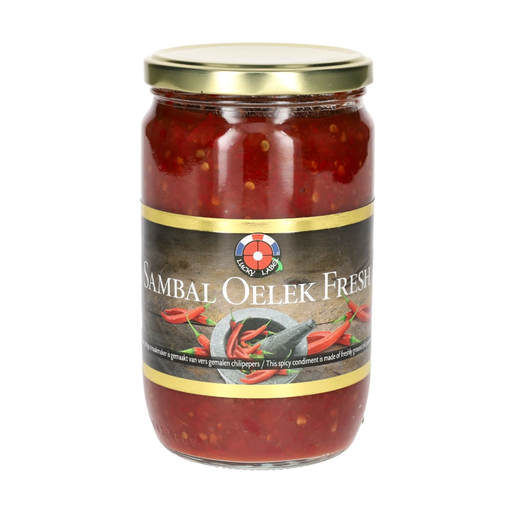
Why this product fits the profile: The large pack is ideal for households that regularly want to season rice, noodles, soups or stir-fries. With 84.3% fresh chilli, the recipe is clearly straightforward.
The ingredients list shows chilli, salt, vinegar and preservatives, with no added nuts or soya listed as declared allergens. The heat can be measured out in portions.
720 g content, 41 kcal per 100 g and versatile use as a dip, seasoning ingredient or marinade base.
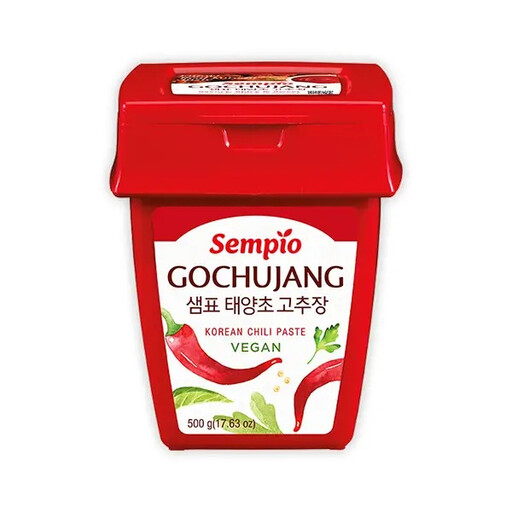
Why this product fits the profile: This fermented Korean paste is ideal for bibimbap, tteokbokki, jjigae, bulgogi marinades and dips.
The recipe contains 46.7% fermented rice paste and 11.3% chilli powder. This means the product can be judged not just by its heat, but also by its fermentation base.
500 g content, made in South Korea and versatile use in traditional Korean dishes. Contains soya and wheat.
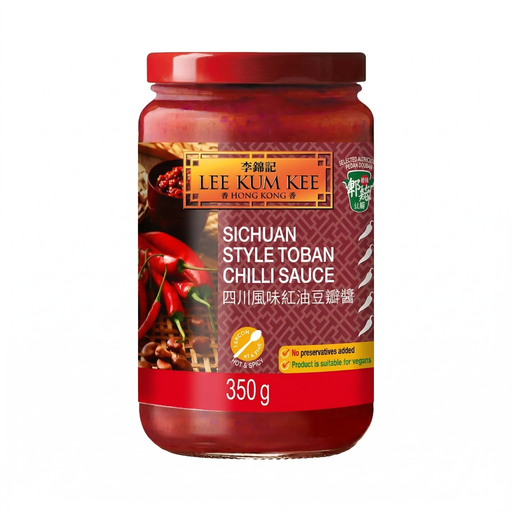
Why this product fits the profile: The Sichuan variant is designed for cooked dishes such as mapo tofu, twice-cooked pork and fish dishes.
The product description highlights 30% Pixian Doubanjiang and explicitly states that it needs to be prepared as a cooking ingredient. This prevents any false expectation of a simple table sauce.
350 g content, fermented beans and a separate oil-paste structure. Contains wheat and soya; 12 g salt per 100 g stated.
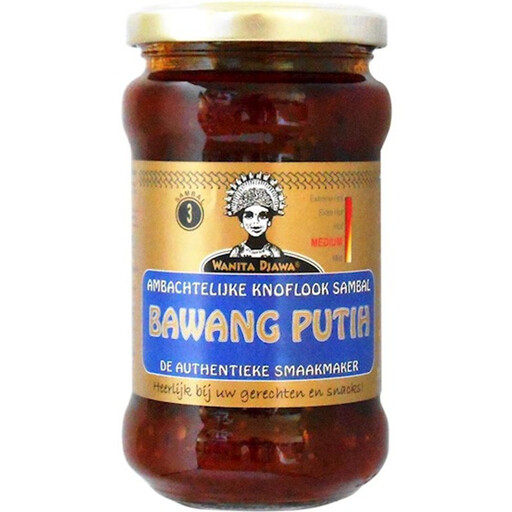
Why this product fits the profile: The combination of 35% chilli and 20% garlic works well with rice dishes, grilled meat, vegetables and simple dips.
The "Medium Hot" label distinguishes this product from varieties with extreme heat. The garlic content is clearly stated.
290 ml, ready-to-use Indonesian sambal sauce and 102 kcal per 100 ml. Contains soya; refrigerate after opening.
We've put together a full, regularly updated list of products that fully meet these strict selection criteria and the safety regulations in force in the EU.
For direct seasoning, sambal oelek, chilli crisp or chopped Hunan chilli sauce are good choices. Gochujang works particularly well with Korean rice and noodle dishes. With chilli crisp, bear in mind the oil and nut content.
That depends on the recipe, packaging and manufacturer's instructions. Many products need to be refrigerated after opening and used within a few weeks or months. Always follow the guidance on the label. Use a clean spoon and check the smell, appearance and consistency.
Gochujang works well for Korean marinades, while sambal sauces and sriracha can be combined with oil, vinegar or soy sauce. Doubanjiang should usually be fried first. Start with a small amount and take the salt content of the other ingredients into account.