
Lieferung heute & morgen

Qualitätsgarantie

Willkommens-Angebote freischalten: KOSTENLOSE Lieferung | Bis zu 80 % RABATT | Kostenlose 30-Tage-JoyPlus-Testphase
App herunterladen
The variety of Asian drinks on the shelves of German online shops is constantly growing. From refreshing lychee juice and creamy Korean beverages to unique soft drinks—the selection is enticing. However, not every bottle lives up to the promise of its colourful packaging. Before you buy Asian drinks online, it's helpful to know a few common pitfalls to make an informed decision and avoid disappointment.
This guide serves as a compass to help you identify the characteristics of high-quality products and find the perfect drink for your taste.
Navigating the range of exotic juices and tropical drinks can be overwhelming. Three issues frequently lead to an unsatisfying purchase experience.
Many packages feature juicy, exotic fruits, but a look at the ingredients list often reveals a very low fruit juice content. The intense aroma frequently comes not from the fruit itself, but from added flavourings. The result is a taste that has little to do with the authentic experience of a real mango or passion fruit juice.
Some drinks from Asia owe their popularity to an intense, sweet taste. However, this is sometimes achieved through a high proportion of added sugar or corn syrup, which masks the actual fruit flavour. Those looking for a naturally fruity experience might be disappointed.
Specialty drinks, such as those with fruit pieces or a milky base, are a hallmark of Asian beverage culture. If these unique features are not clearly declared on the label, the unexpected texture can be a surprise. For example, someone expecting a clear juice who instead receives a drink with chewy bits might be put off.
To avoid these pitfalls, three simple criteria can help. They allow you to assess a product's quality more objectively.
The designation on the packaging provides the first clue about quality. In Germany and the EU, clear rules apply:
mango juice or passion fruit juice is often offered as a nectar because the pure fruit pulp would be too thick to drink.The order of ingredients indicates their proportion by quantity. If sugar (or an alternative name like glucose-fructose syrup) is listed first or second, the sugar content is correspondingly high. A short ingredients list with recognisable components like "Water, Lychee Juice (30%), Sugar" is often a sign of a less processed product than a long list with many chemical-sounding terms.
Many drinks from Asia are distinguished by their unique textures. A well-known example is Nata de Coco, a chewy coconut gel added to many beverages. Anyone specifically looking to buy Mogu Mogu is seeking exactly this experience. Other Korean drinks are based on fermented rice or combine milk with carbonation. These are not defects but intentional characteristics that define the drinking experience. A good product description should clearly state these special features.
Based on these criteria, we have compiled a few products for different preferences.
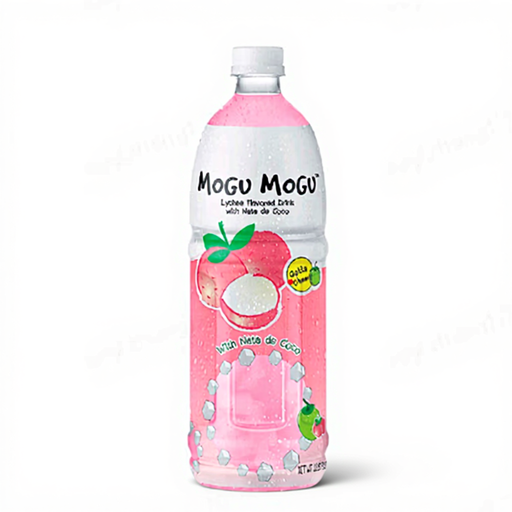
Why This Fits Their Persona: Ideal for anyone looking for a drink that's also a snack. The combination of sweet lychee juice and chewy pieces of Nata de Coco (coconut gel) offers a playful and unusual drinking experience.
The texture here is not a hidden flaw but the central product feature. The term "Nata de Coco" is clearly communicated, so the buyer knows exactly what to expect.
A unique drinking experience thanks to the combination of juice and chewy coconut gel pieces. The 10% fruit juice content ensures a clear lychee flavour.
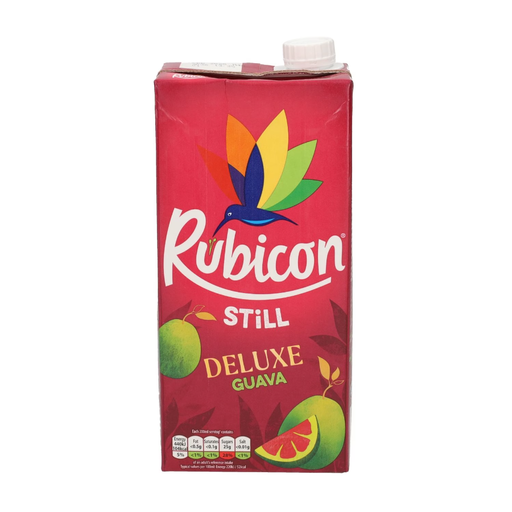
Why This Fits Their Persona: Perfect for those who crave the pure, full-bodied taste of tropical fruits. This drink, based on guava purée, offers a rich and authentic flavour reminiscent of a tropical holiday.
The relatively high fruit content of 18% guava purée ensures an authentic taste that goes far beyond artificial flavourings, meeting the expectation of a truly fruity drink.
Made from real fruit purée instead of concentrate and flavourings. It offers a full-bodied, tropical taste and is enriched with Vitamin C.
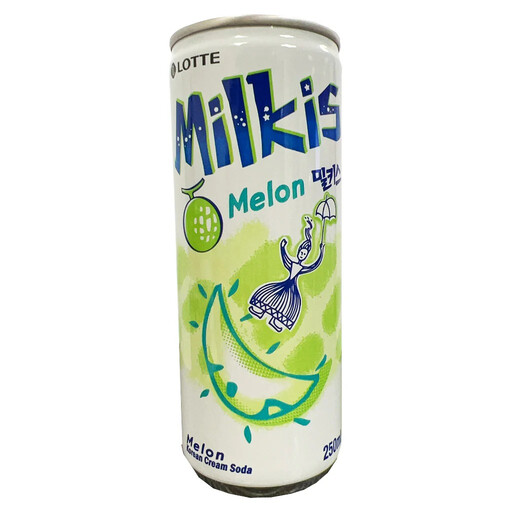
Why This Fits Their Persona: For the curious and fans of Korean culture who want to try one of South Korea's most famous soft drinks. Milkis combines the taste of sweet melon with a creamy milk note and carbonation.
The unique combination of milk and carbonation is its key selling point and is clearly communicated. This prevents any false expectation of a pure fruit juice.
A unique, creamy, yet fizzy texture that is typical of Korean beverages of this kind. Contains skimmed milk powder and is enriched with vitamins A and D3.
We have compiled a comprehensive, up-to-date list of products that fully meet these selection criteria and German regulations.
Most Asian juices, nectars, and soft drinks should be stored in the refrigerator after opening and consumed within three to five days. This is especially true for products without preservatives. Always check the instructions on the packaging.
Nata de Coco is a chewy, translucent, and jelly-like ingredient produced by the fermentation of coconut water. It has a neutral taste and absorbs the flavour of the drink it is added to. It provides an interesting texture and is a popular ingredient in many tropical drinks and desserts.
No, that is a common misconception. While many unique soft drinks are sweet, there are also numerous options with moderate or no added sugar. Unsweetened teas like oolong or barley tea are traditional thirst quenchers. Additionally, many brands offer sugar-free or reduced-sugar versions of their tropical drinks, which are sweetened with sweeteners. A quick look at the nutrition facts table will provide clarity.