
Lieferung heute & morgen

Qualitätsgarantie

Willkommens-Angebote freischalten: KOSTENLOSE Lieferung | Bis zu 80 % RABATT | Kostenlose 30-Tage-JoyPlus-Testphase
App herunterladen
If you want to buy Asian drinks online, you’ll find a huge selection of Korean soft drinks, Japanese lemonade, Thai fruit drinks and non-alcoholic malt beverages. The product descriptions often sound equally tempting: exotic fruits, unusual textures or a supposedly “light” taste. However, to make the right choice, you need concrete details such as ingredients, sugar content, allergens, volume and storage instructions.
Tamarind, yuzu, pineapple or coconut can taste fresh and fruity. But that doesn’t tell you anything about the actual sugar content. Checking the nutritional information is therefore more important than relying on words like “tropical” or “refreshing”.
For comparison:
These figures aren’t intended as a health assessment. They simply help you choose drinks that suit your personal preferences and the occasion you have in mind.
Korean drinks like Milkis Yoghurt Drink combine carbonation with a milky, tangy flavour. For Milkis, milk or skimmed milk powder is listed as an allergen. If you want to avoid milk ingredients, you should check the ingredients list of every product. Plant-based ingredients like soya can also be relevant: the WANT WANT Lactic Acid Bacteria Drink lists milk and soya as allergens.
A pack of 24 bottles can make sense for heavy users or shared households. For a first taste test, a single can or bottle is often more suitable. You should also check whether the drink needs to be refrigerated and consumed quickly after opening. This is stated for Milkis, for example.
When buying online, at least the following information should be available:
For speciality drinks like a tamarind drink, an Asian lemonade or a yuzu drink, it’s also worth checking the acidity regulators and flavourings. This helps you work out whether to expect a sweet, sour or spicy profile.
Cans of 245 to 340 ml are ideal for a single serving. Bottles of 500 ml offer more content, but should be stored according to the packaging instructions after opening. With Mogu Mogu with Coconut Jelly, the texture adds another dimension: the soft coconut jelly pieces change the drinking experience, so you should consider whether this is a feature you want or not before buying.
For households with regular demand, multi-packs can be practical. However, before buying, you should check the best-before date, storage space and delivery quantity.
With drinks from Asia, the country of origin can vary depending on the product. According to the product information, Milkis and BOBMOOS come from South Korea, Mogu Mogu from Thailand and Tomomasu from Japan. Doyobi Yuzuka Light is listed as originating from Germany.
For buying in the UK, clear ingredient and nutritional labelling, allergen warnings and details of the responsible person in the EU are useful reference points. For imported products, the labelling may differ depending on the packaging or batch. The information on the delivered product is what counts.
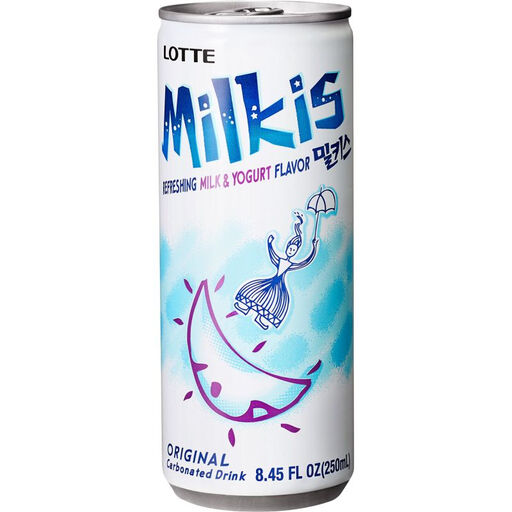
Why this product suits the profile: The 250 ml serving offers a manageable introduction to Korean drinks with carbonation and a milky flavour.
The serving size reduces the risk of ordering a multi-pack of an unfamiliar flavour straight away. Milk is listed as an allergen.
250 ml content, carbonated, 44 kcal and 11 g sugar per 100 g according to product information.
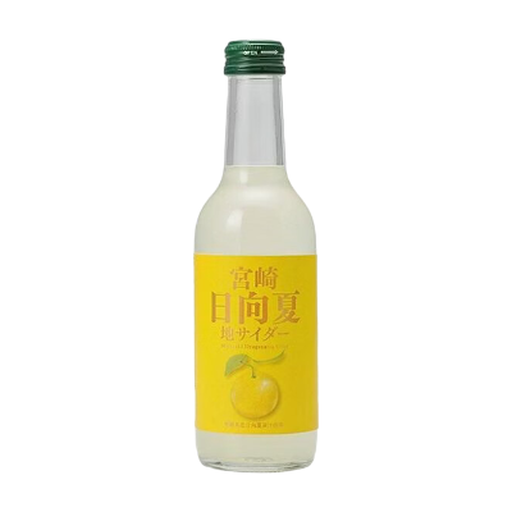
Why this product suits the profile: The small bottle is aimed at buyers looking for a Japanese lemonade with a clearly named fruit and Japanese origin.
The stated Hyuganatsu juice content of 1% prevents false expectations of a high fruit content.
245 ml content, carbonated, no listed allergens and 38 kcal per 100 ml according to product data.
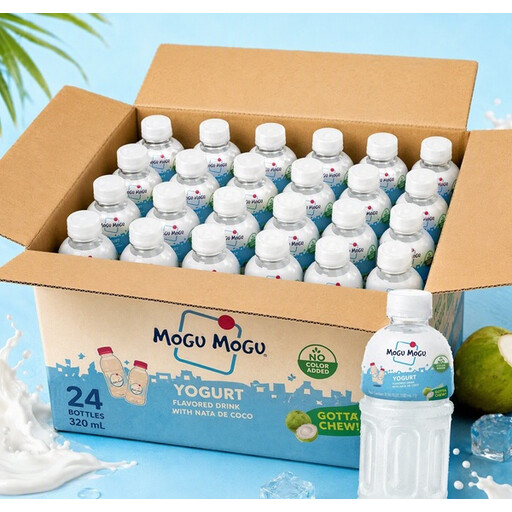
Why this product suits the profile: The 24-pack is ideal for households, offices or group tastings where an unusual texture is desired.
The product description explicitly mentions coconut jelly pieces and 320 ml per bottle. This makes the texture clear before you buy.
24 bottles of 320 ml each, yoghurt flavour, coconut jelly and 13 g carbohydrates per 100 ml according to product information.
If you prefer exotic fruit drinks, you could choose a tamarind drink or BOBMOOS pineapple lemonade. According to the information, the BOBMOOS product contains 51 kcal and 12 g sugar per 100 ml and is described as non-alcoholic and free from listed allergens.
For spicy notes, Ginger Beer is a good option. Old Jamaica Ginger Beer contains ginger extract and ginger purée and can be enjoyed chilled or used as a non-alcoholic or alcoholic mixer base. You should check the exact ingredients and allergen labelling on the product page and packaging before buying.
If you’re after stronger, maltier flavours, non-alcoholic malt drinks like Malta GUINNESS offer an alternative to fruity soft drinks. According to the product information, this drink contains gluten and 57 kcal per 100 ml. “Non-alcoholic” doesn’t automatically mean the drink suits every dietary profile.
For beginners, smaller single servings of 245 to 330 ml are a sensible choice. This lets you try Korean drinks like Milkis, Japanese lemonade or fruity varieties without ordering a multi-pack straight away.
The best-before date is on the packaging. Unopened products are stored at room temperature or in a cool, dry place, depending on the product. After opening, follow the manufacturer’s instructions; Milkis, for example, should be refrigerated and consumed promptly.
Drinks in cans and glass bottles increase the shipping weight. So before ordering, check the pack size, delivery costs and quantity. For multi-packs, you’ll also need enough storage space.