
Lieferung heute & morgen

Qualitätsgarantie

Willkommens-Angebote freischalten: KOSTENLOSE Lieferung | Bis zu 80 % RABATT | Kostenlose 30-Tage-JoyPlus-Testphase
App herunterladen
If you want to buy Asian dumplings online, you’ll find a wide choice of gyoza, dumplings, mandu and dim sum. The differences aren’t just in the name. Filling percentage, allergens, cooking method, pack size and frozen delivery logistics all determine whether a product suits your household.
A 600 g or 800 g pack may look good value at first glance. For a one-person household it can be too much if you only need small portions after opening. So look at the net weight, number of pieces and ease of portioning. Ben’s Crystal Shrimp Dumplings, for example, contain 800 g or 32 pieces. That makes planning quantities easier, provided they’re eaten regularly.
Terms like “Beef”, “Shrimp” or “Chicken” alone say little about the proportion of the named ingredient. A glance at the ingredients list shows whether meat, fish, vegetables or dough make up the bulk. According to the product information, FRESHASIA Beef & Onion Dumplings contain 23% beef and 11% onion. FRESHASIA Beef and Celery Dumplings list 25% beef and 12% celery.
Some dumplings for steaming and pan-frying can be boiled, steamed or cooked in a frying pan. Others are designed primarily for steaming. Hakau prawn dumplings are often made with a more delicate dough and should be steamed as the manufacturer recommends. Also check whether they should be cooked straight from frozen. Unnecessary thawing can compromise the wrapper and is expressly not intended for many products.
First compare the main ingredients and the declared filling percentage. Options include:
Remember that “vegetarian” and “vegan” aren’t the same. The ingredients list for bibigo Plant-Style Kimchi Korean-Style Dumplings includes vegetables, tofu and textured soya protein, but also mentions possible traces of milk, eggs, crustaceans, molluscs, fish, peanuts and tree nuts.
With Asian dumplings, wheat (gluten), soya, sesame, fish, eggs and crustaceans are common. If you need to consider allergies or intolerances, compare the on-pack labelling with the details in the online shop. For prawn dumplings, the crustacean warning is particularly relevant. Products with soy sauce may also contain wheat and gluten.
Frozen dumplings are usually stored at at least -18 °C. After thawing, they must not be refrozen. Exact cooking times vary:
Don’t rely on guesswork; follow the product instructions. For meat, fish and prawn fillings, the centre should be fully heated through. Some manufacturers specify a core temperature of over 70 °C.
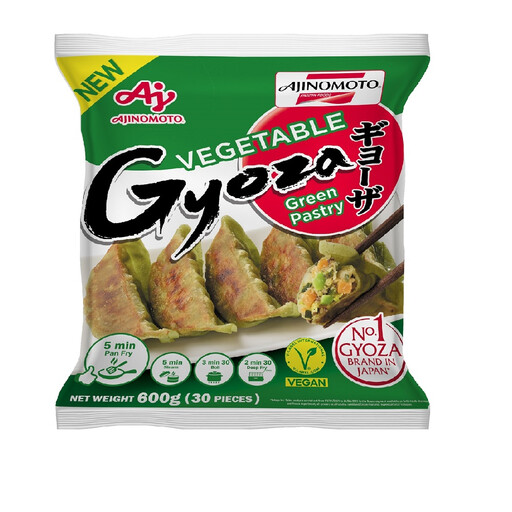
Why this product suits the profile: The pack contains 30 pieces and, with vegetables, carrot, wood ear mushroom, edamame and peas, offers a meat-free option for several meals.
Number of pieces and net weight are clearly stated. You can cook them in a frying pan, saucepan, steamer or deep-fat fryer.
600 g pack, 143 kcal per 100 g according to the product information, and multiple cooking options.
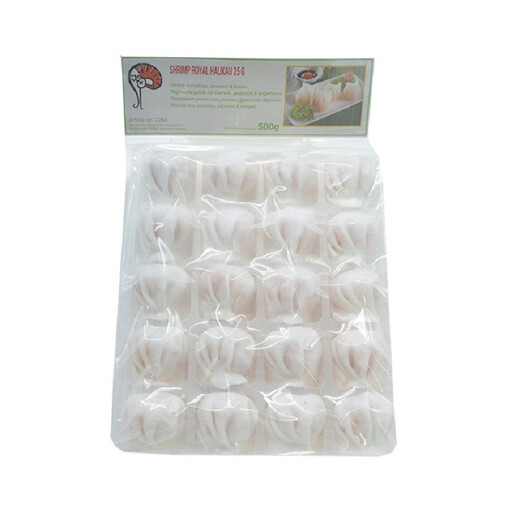
Why this product suits the profile: The Ha Kau variant contains, according to the ingredients, 37% prawns and 7% bamboo shoots, and is designed for steaming.
The prawn content is specified precisely. The intended cooking method prevents the delicate wrapper from being unnecessarily stressed.
500 g IQF pack, 10.5 g protein per 100 g and clear labelling of crustaceans, soya, sesame and gluten.
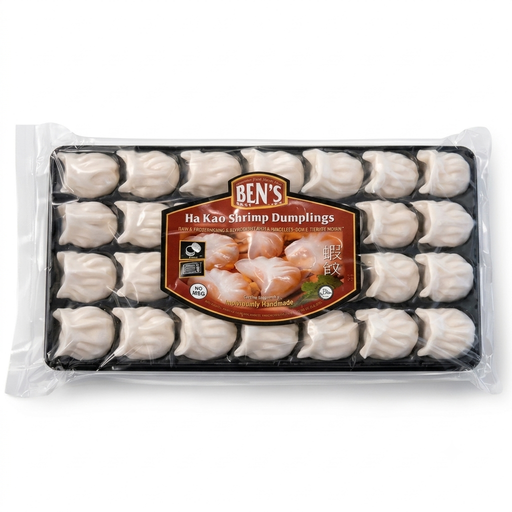
Why this product suits the profile: 32 pieces per 800 g pack suit families, stocking up or regular dim sum meals.
The piece count makes portioning straightforward. Cook straight from frozen, with no prior thawing.
17.2% prawns, 8.76% fish and, according to the product information, cooking by steaming or microwave.
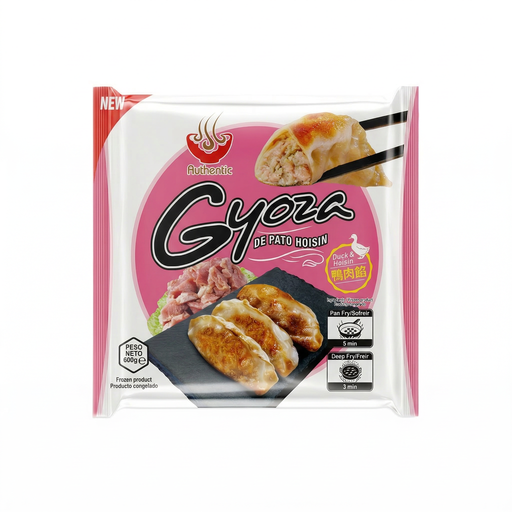
Why this product suits the profile: The filling combines, according to the product information, duck, chicken, cabbage, carrot and 8% hoisin sauce.
The 61.5% filling content is stated, helping you gauge the dough-to-filling ratio before you buy.
600 g pack and, according to the description, suitable for both steaming and pan-frying.
We’ve compiled a complete, continuously updated list of products that fully meet these strict selection criteria and the EU safety regulations.
For crispy gyoza, a frying pan usually works best. Fry the frozen dumplings briefly in a little oil, then add a small amount of water and cook with the lid on. Mandu and many steamed dumplings are ideal for a steamer basket. Line the basket with baking parchment or a perforated liner so the wrappers don’t stick.
When buying online, delivery should ideally go straight into your freezer compartment. On arrival, check the packaging is undamaged and the goods still feel frozen. The storage and cooking instructions on the pack take precedence over general advice.
Many products are cooked straight from the freezer. Depending on the variety, a frying pan, saucepan, steamer, deep-fat fryer or microwave may be suitable. The manufacturer’s instructions are decisive.
The specific best-before date is printed on the pack. With continuous correct storage at around -18 °C, the product is intended to be used up to that date. After thawing, dumplings should not be refrozen.
Some products are labelled vegetarian or vegan, such as versions with vegetables, tofu and soya protein. Still, check the ingredients list, allergen statements and possible traces, as soya, wheat and sesame are common.