
Lieferung heute & morgen

Qualitätsgarantie

Willkommens-Angebote freischalten: KOSTENLOSE Lieferung | Bis zu 80 % RABATT | Kostenlose 30-Tage-JoyPlus-Testphase
App herunterladen
If you want to buy Asian dumplings, you will find a wide selection of Chinese dumplings, gyoza and dim sum online. However, frozen dumplings can vary considerably in terms of filling, preparation method, pack size and allergens. A low price alone says little about whether a pack is suitable for a quick snack, a family meal or stocking up the freezer.
This buying guide will help you avoid common purchasing mistakes and compare products using clear, reliable information.
Names such as “Beef”, “Shrimp” or “Chicken” do not automatically indicate a high proportion of the named ingredient. The ingredients list is what matters. For example, FRESHASIA Beef & Onion Dumplings contain a stated 23% beef, while the Beef and Celery Dumplings contain 25% beef. The precise composition is therefore more informative than the product name on the front of the pack.
With prawn dumplings, you should also check whether they contain fish, bamboo shoots or other ingredients in addition to prawns. This is relevant, for example, with Hakau Shrimp Dumplings.
Not every frozen dumpling is equally suitable for a frying pan, saucepan and steamer. Gyoza are often fried, whereas Hakau, Siu Mai and Xiaolongbao are usually steamed. Choosing the wrong method can result in sticky dough, a damaged wrapper or a filling that has not been heated through properly.
For this reason, check the specific instructions on the packaging. Some products are prepared directly from frozen, while others require prior defrosting.
A 1-kg pack can make sense for families, parties or regular freezer stocking. For a one-person household, 300 to 400 g is often easier to portion. Once opened, the pack should be sealed tightly again and returned to the freezer straight away. According to the product information, defrosted products must not be refrozen.
The filling determines the flavour and how the dumplings can be used:
A thin wrapper is not automatically suitable for every preparation method. Xiaolongbao and Hakau are generally best steamed carefully to keep the wrapper intact.
For consumers with allergies or intolerances, accurate labelling is essential. Asian dumplings commonly contain:
You should also take any precautionary allergen statements into account. The packaging contains the latest labelling information and takes precedence over general product descriptions.
The products listed are generally stored at -18°C or below. Some individual products specify storage at temperatures of up to -25°C. After shopping, check that the goods are still fully frozen and observe the best-before date on the packaging.
For safe preparation, cook the dumplings thoroughly and heat them according to the instructions. Several products recommend a core temperature of over 70°C or that they should be hot throughout. The stated times are guidelines, as the appliance, quantity and size of the dumplings can affect the result.
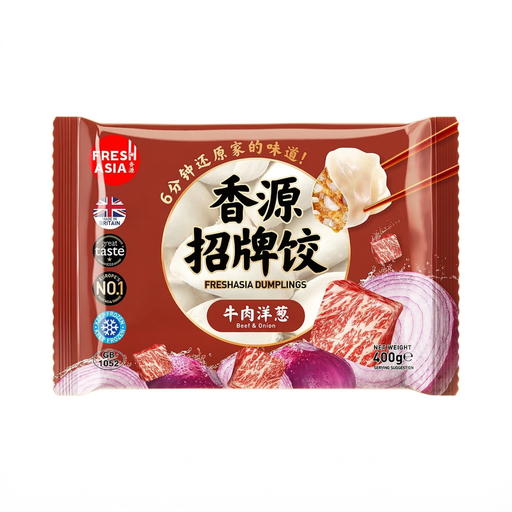
Why this product suits this profile: The 400-g pack offers an easy introduction to Chinese dumplings with beef and onion. They can be boiled, steamed or prepared in a frying pan.
The stated beef content of 23% and the complete ingredients list make it easier to compare this product with similar packs.
400-g pack; three stated preparation methods; contains wheat, soya and gluten.
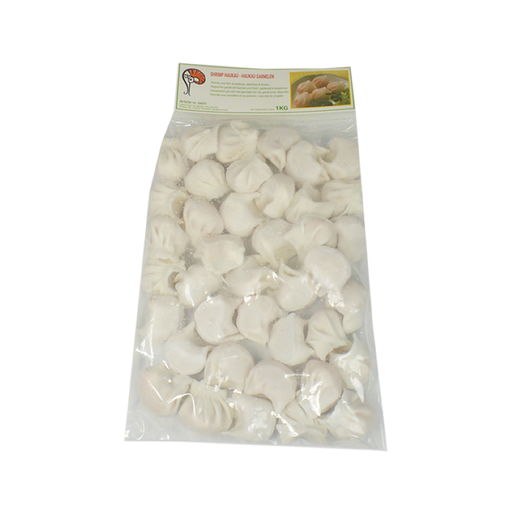
Why this product suits this profile: The large pack is aimed at households that regularly serve dim sum or are planning meals for several people.
The pack size and stated prawn content of 25% are clearly specified. This makes it easier to weigh up the quantity against smaller packs.
1-kg pack; steam from frozen for 8–10 minutes; contains crustaceans, fish, wheat, sesame and soya.
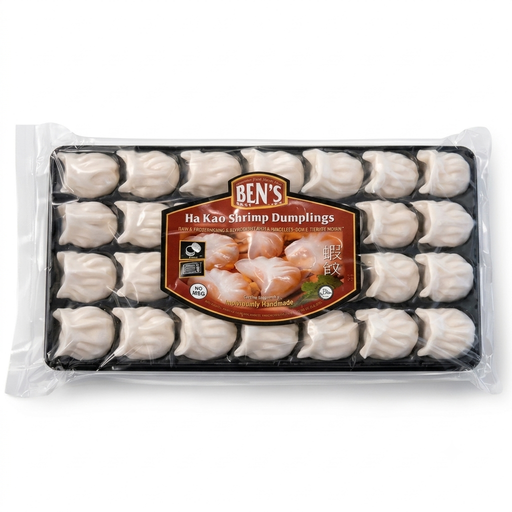
Why this product suits this profile: According to the product information, the pack contains 32 pieces, making it suitable for stocking up, entertaining guests or preparing several portions.
The number of pieces, net weight and preparation directly from frozen are all clearly specified.
800 g or 32 pieces; steam or microwave; contains prawns, fish, soya and sesame.
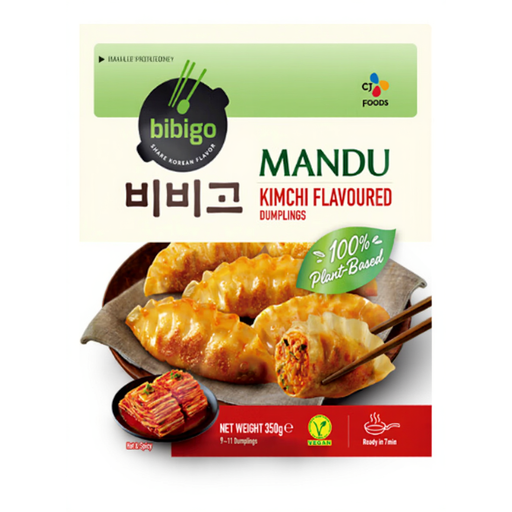
Why this product suits this profile: This Korean variety combines vegetables, kimchi, tofu and textured soya protein. It is designed for a plant-based diet.
The ingredients list names the vegetable ingredients as well as the tofu and soya protein. It also highlights wheat, soya and sesame.
350-g pack; can be fried or steamed; made in South Korea according to the product information.
We have put together a complete, regularly updated list of products that fully meet these strict selection criteria and the safety regulations applicable in the EU.
Gyoza are available online with a range of fillings, including beef, chicken, prawns, kimchi and vegetables. When choosing, the filling content, allergens, pack size and preparation instructions are more important than simply the name “gyoza”.
Shelf life depends on the best-before date on the packaging and continuous storage at a minimum of -18°C. Dumplings should not be refrozen after defrosting. Once opened, they should be sealed tightly and used promptly.
Ordering dumplings online can be convenient if certain varieties, such as Wonton, Siu Mai, vegetarian dumplings or Hakau Shrimp Dumplings, are difficult to find locally. It is important to choose suitable frozen delivery, check that there is sufficient time remaining before the best-before date and make sure you have enough freezer space.