
Lieferung heute & morgen

Qualitätsgarantie

Willkommens-Angebote freischalten: KOSTENLOSE Lieferung | Bis zu 80 % RABATT | Kostenlose 30-Tage-JoyPlus-Testphase
App herunterladen
If you’re looking to buy Asian fish snacks online, you’ll find a wide selection of anchovies, sardines, mackerel and marinated small fish. However, products can vary considerably in their ingredients, portion sizes, storage requirements and preparation. Eye-catching packaging or a “premium” label alone won’t tell you whether a product is right for your needs.
Single portions are convenient, but can be expensive for the amount you get. So compare not only the pack price, but also the net weight and, where available, the unit price. A multipack of 20 individual sachets may be worthwhile if you eat these snacks regularly, while a single 80- or 90-gram pack is a good size to try first.
Chilli fish snacks can range from mild to tangy to distinctly hot, depending on the recipe. Terms such as “Spicy”, “Chilli” or “spicy fish snack” aren’t standardised. The ingredients list and stated chilli content are what matter. For example, Smiling Fish Fried Mackerel with Chilli 90g contains 3% chilli, while Smiling Fish Fried Mackerels in Chilli Sauce contains 5%.
A ready-to-eat fish snack can be eaten straight from the pack. Frozen fish, on the other hand, needs to be stored correctly and usually cooked thoroughly. Products such as tilapia, ribbonfish and whole sardines aren’t snacks to eat straight from the pack. Look for instructions such as “ready to eat”, “Heat thoroughly before consumption” or “Keep frozen at -18 °C”.
The fish species should be clearly stated. Anchovies are often small fish with a robust flavour and firm texture. Sardines and mackerel each have a different flavour and are often preserved in oil, sauce or chilli.
For allergy sufferers, the “Contains fish” notice is particularly important. Many Chinese fish snacks also contain soya, wheat or sesame. Jin Zai Deep Sea Small Fish Braised Flavour 240g lists fish and soya as allergens. According to the product information, Jin Zai Deep Sea Anchovy Secretly Marinated Flavor 58g also contains wheat, sesame, sulphur dioxide and sulphites.
The energy content of fish snacks varies depending on how much oil, sugar and sauce they contain. Jin Zai Deep-Sea Small Fish Braised Flavour 240g contains 31.8 g of protein, 29.3 g of fat and 2.2 g of salt per 100 g. Jin Zai Deep Sea Fish Spicy Flavour 110g contains 26.2 g of protein, 32.5 g of fat and 1.6 g of salt per 100 g.
These figures make it easier to compare products objectively. They don’t indicate any medical or therapeutic benefits. If you eat the snack regularly, remember to consider portion size too: a single 12 g sachet is a different amount from an opened 110 g pack.
Individual packs protect the remaining contents once opened and are handy for lunchboxes, work or eating on the go. A 240 g pack with 20 sachets is different from a 58 g product with five portions.
For shelf-stable snacks, follow the instructions on the packaging. Many marinated or dried fish products should be stored in a cool, dry place. Frozen products such as Asian Choice Tilapia 500/800g or Star Pride Ribbonfish Steaks 720g must be stored at -18 °C or colder. Once defrosted, they must not be refrozen if the product instructions say so.
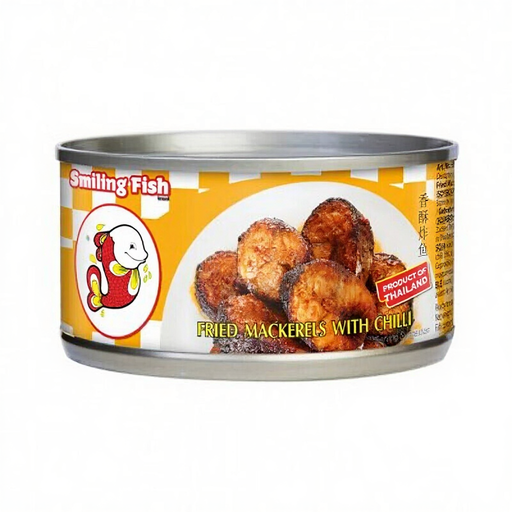
Why it suits this profile: The 90 g pack is a manageable amount to try on your first purchase. Enjoy this fried mackerel snack as a small side or snack, with no further preparation needed.
The weight and stated chilli content are clearly listed, making it easier to compare this small taster pack with larger multipacks.
Fried mackerel, 90 g net weight and ready to eat with no further preparation.
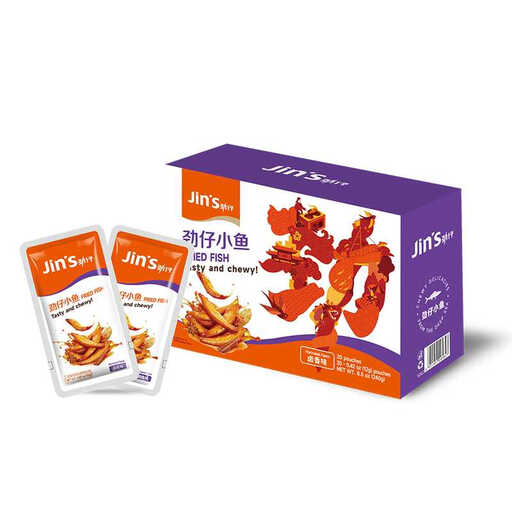
Why it suits this profile: The recipe lists 69% wild-caught anchovies. Twenty individually wrapped portions make it easier to enjoy a measured serving.
Rather than offering a large portion that’s hard to compare, the product information clearly sets out the net weight, individual portions, ingredients and allergens.
240 g in total, divided into 12 g portions, with anchovies as the main ingredient alongside chilli, soya sauce and spices, according to the product information.
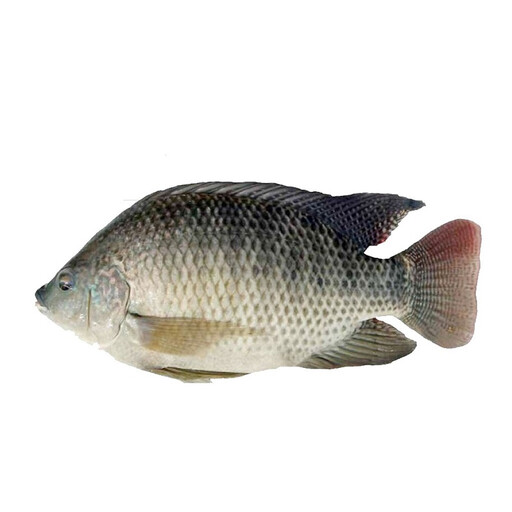
Why it suits this profile: These frozen, boneless and skinless tilapia fillets are a good choice for households that want to bake, fry, grill or steam fish at home.
This product won’t be mistaken for a ready-to-eat fish snack: it must be kept frozen and cooked before eating.
500 or 800 g net weight, boneless and skinless fillets, with several ways to prepare them.
We’ve put together a complete, regularly updated list of products that meet these strict selection criteria and fully comply with the safety regulations in force in the EU.
Only if this is clearly stated on the product page or packaging. Marinated anchovies, tinned sardines and some mackerel products can be eaten straight away. Frozen products, on the other hand, must be defrosted and cooked thoroughly.
It depends on the product. For shelf-stable snacks, follow the manufacturer’s specific instructions. Opened sardines in oil or sauce should be kept in the fridge. According to the product information, Yujiaxiang Spicy Sardine 80g should be refrigerated after opening and eaten within two days.
Check that you have enough room in your freezer and can store the product at -18 °C or colder as soon as it arrives. Once defrosted, frozen fish generally shouldn’t be refrozen. Always follow the instructions on the packaging.