
Lieferung heute & morgen

Qualitätsgarantie

Willkommens-Angebote freischalten: KOSTENLOSE Lieferung | Bis zu 80 % RABATT | Kostenlose 30-Tage-JoyPlus-Testphase
App herunterladen
Finding authentic Asian food can often be a challenge. The selection in local supermarkets is limited, and specialised Asian grocers aren't always accessible. Shopping online offers a solution, but it comes with its own set of pitfalls. Vague product descriptions, questionable quality in frozen goods, and exaggerated marketing claims can complicate the shopping experience.
This guide will help you separate the wheat from the chaff. We'll show you the objective criteria that matter for finding high-quality, authentic Chinese specialities and other Asian foods online—from ready-made meals to rare delicacies.
To avoid disappointment, it's wise not to rely solely on product images or advertising claims. Three key aspects are crucial for making an informed purchasing decision.
Many products are advertised as "authentic" without the ingredients to back it up. A dish described merely as "spicy" rarely captures the complexity of regional cuisines. Genuine authentic Chinese food, especially from Sichuan cuisine, is defined by specific ingredients. A true Mala flavour experience, for example, is only achieved through the combination of chillies (辣, là) and Sichuan pepper (麻, má), which creates the characteristic numbing sensation on the tongue.
Verification Check: Analyse the ingredients list. Look for specific, regional ingredients like Sichuan pepper, fermented bean paste (Doubanjiang), or Chinese cooking wine, instead of settling for generic terms like "spice mix."
Frozen food from Asia is a convenient way to order jiaozi online or stock up on essential ingredients. However, quality is critically dependent on an unbroken cold chain. Freezer burn, ice crystals in the packaging, or a mushy texture after thawing are often signs of improper storage or an interrupted freezing process.
Verification Check: Look for clear storage instructions on the product page, such as the specification "Store at -18°C or colder". Reputable online Asian grocers also state that the product should not be refrozen after thawing. This is an indicator of professional quality management.
The difference between "ready-to-eat," "ready-to-serve after heating," and "ready-to-cook" is significant. A duck tongue delicacy can often be enjoyed straight from the pack, whereas many Asian ready-made meals or raw dumplings require thorough preparation. Unclear instructions lead to false expectations and, in the worst case, an inedible result.
Verification Check: Look for precise preparation instructions. Phrases like "Must be cooked thoroughly before consumption" or "Serve cold as an appetiser" provide clear guidance and help you correctly assess a product's convenience factor.
Based on these objective criteria, we have curated a selection of products suitable for various culinary preferences and use cases.
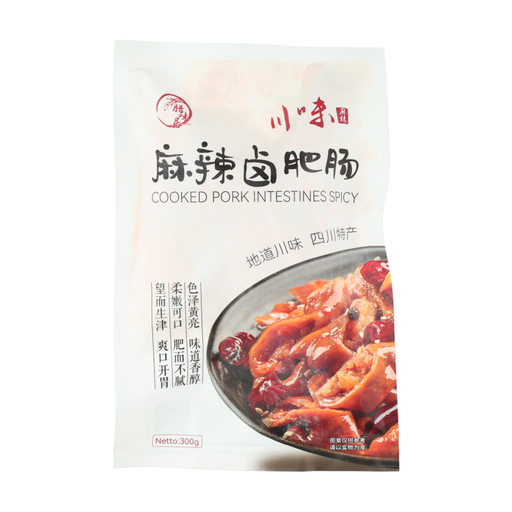
Why This Fits Their Persona: Ideal for those seeking the authentic and complex mala flavour of Sichuan dishes. This ready-made meal brings a classic speciality to the table quickly, without compromising on aroma.
The ingredients list explicitly names Sichuan pepper, chilli, star anise, and other typical spices. This guarantees an authentic flavour profile that goes far beyond a generic "spicy".
Pre-cooked and only needs to be heated. Perfect as a main course with rice or noodles for a quick yet sophisticated meal.
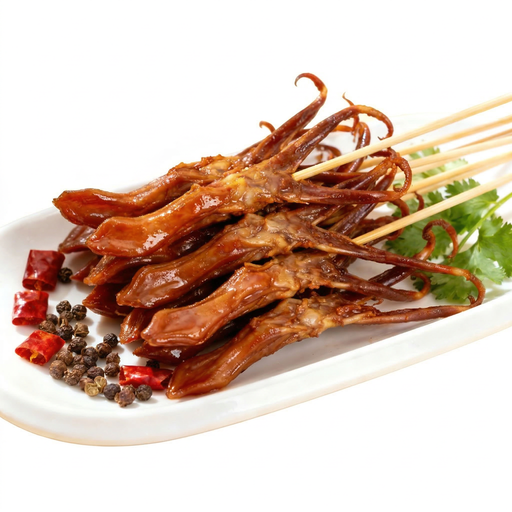
Why This Fits Their Persona: For adventurous foodies who want to try an extraordinary duck tongue delicacy. This product offers a refined taste experience that is hard to find in regular stores.
The product description is precise: "Duck tongue," marinated in "Shaoxing wine." This avoids vague descriptions and makes it clear that this is a specific, high-quality speciality.
A ready-to-eat delicacy that requires no preparation. Ideal as an elegant appetiser, a companion to drinks, or a special snack.

Why This Fits Their Persona: Perfect for anyone who appreciates having a stock of high-quality jiaozi for a quick and versatile meal. A classic that is suitable for various preparation methods and is always a crowd-pleaser.
The clear description of the filling (pork, shrimp, morels) and its explicit suitability for steaming, boiling, and pan-frying show that this is a quality product that retains its texture.
Versatile preparation (steaming, boiling, pan-frying). The filling combines various ingredients for a rich flavour experience.
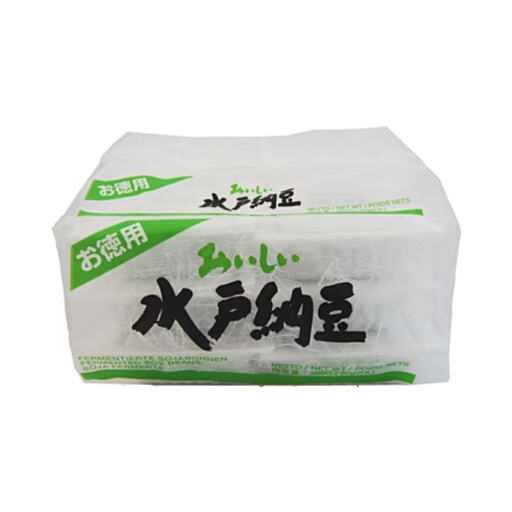
Why This Fits Their Persona: For those specifically looking to buy natto. This product is aimed at connoisseurs of Japanese cuisine who appreciate the characteristic taste and texture of fermented soybeans.
As a niche product, natto is difficult to imitate. The description is clear, and the included sauce and mustard confirm that it is a complete, traditionally designed product.
Comes as a complete set with matching sauce and mustard. The clear instructions for thawing and mixing ensure an authentic taste experience.
We have compiled a complete, up-to-date list of products that fully meet these strict selection criteria and comply with German safety standards.
Look for a detailed product description with clear storage instructions (e.g., -18°C). A professional product page layout and information about the brand can also indicate reliable quality. Avoid products with damaged or bloated packaging if visible in the photos.
"Mala" (麻辣) is the key flavour profile of Sichuan cuisine, describing a combination of numbing spiciness (麻, má) and fiery heat (辣, là). The numbing component comes from Sichuan pepper. An authentic Sichuan dish for purchase should therefore explicitly list it in the ingredients, often in combination with various types of chillies.
It varies greatly. Read the product description and preparation instructions carefully. Delicacies like seasoned duck tongues or feet are often "ready-to-eat." In contrast, braised meat dishes or frozen jiaozi are usually "ready-to-cook" and must be heated or cooked before consumption. The manufacturer's instructions are the definitive source for this information.